

When it comes to operating a feed mill mixer, safety is of paramount importance. As a reputable feed mill mixer supplier, we understand the critical role that safety precautions play in ensuring the well - being of operators and the efficient functioning of the equipment. In this blog, we will delve into the essential safety measures that should be taken when operating a feed mill mixer.
Pre - operation Safety Checks
Before starting the feed mill mixer, a series of pre - operation checks are necessary. First and foremost, visually inspect the mixer for any signs of damage or wear. Check the structural integrity of the mixer, including the frame, housing, and mixing components. Look for cracks, loose bolts, or any other visible issues that could compromise the safety of the operation. For example, a loose bolt in the mixing chamber could potentially fall into the feed and cause damage to downstream equipment or pose a hazard to the animals consuming the feed.
Inspect the electrical system of the mixer. Ensure that all electrical connections are secure and that there are no exposed wires. Faulty electrical connections can lead to short - circuits, electrical shocks, or even fires. It is also important to verify that the mixer is properly grounded. A proper ground connection helps to protect operators from electrical hazards by providing a safe path for electrical current in the event of a fault.
Check the lubrication levels of the mixer. Proper lubrication is crucial for the smooth operation of the moving parts. Insufficient lubrication can cause excessive friction, which not only reduces the efficiency of the mixer but also increases the risk of mechanical failure. Refer to the manufacturer's guidelines for the correct type and amount of lubricant to use.
Examine the feed inlet and outlet ports. Make sure they are clear of any obstructions. Blocked ports can cause pressure build - up inside the mixer, leading to potential explosions or equipment damage. Remove any debris or foreign objects that may be present in the ports.
Personal Protective Equipment (PPE)
Operators of feed mill mixers should always wear appropriate personal protective equipment. This includes safety glasses to protect the eyes from flying debris, dust, or splashes of feed ingredients. Dust masks are also essential to prevent inhalation of fine dust particles, which can cause respiratory problems over time.
Hearing protection is necessary as feed mill mixers can produce high - level noise during operation. Prolonged exposure to loud noise can lead to hearing loss. Earplugs or earmuffs should be worn to reduce the noise level to a safe range.
Wear appropriate clothing. Loose - fitting clothing or jewelry can get caught in the moving parts of the mixer, posing a serious safety risk. Operators should wear snug - fitting work clothes and avoid wearing ties, scarves, or dangling jewelry. Steel - toed boots are recommended to protect the feet from heavy objects or accidental impacts.
Safe Operating Procedures
When starting the feed mill mixer, follow the correct start - up sequence. This usually involves turning on the power supply, allowing the mixer to reach its operating speed gradually, and then introducing the feed ingredients. Do not overload the mixer. Overloading can cause the motor to overheat, increase the wear and tear on the mixing components, and potentially lead to equipment failure. Refer to the manufacturer's specifications for the maximum capacity of the mixer.
During operation, do not attempt to make any adjustments or repairs to the mixer while it is running. This is extremely dangerous as the moving parts can cause serious injuries. If an issue is detected during operation, stop the mixer immediately, turn off the power supply, and wait for the mixer to come to a complete stop before attempting any maintenance or repairs.
Keep a safe distance from the moving parts of the mixer. Do not reach into the mixer while it is running, even to remove a blockage. Use appropriate tools to clear blockages from a safe distance.
Monitor the operation of the mixer closely. Pay attention to any unusual noises, vibrations, or changes in the performance of the mixer. These could be signs of a potential problem. If any abnormal conditions are detected, stop the mixer and investigate the cause.
Lock - out/Tag - out Procedures
Lock - out/tag - out procedures are essential for preventing accidental startup of the feed mill mixer during maintenance or repair work. When performing any maintenance or repair tasks, the power supply to the mixer should be shut off, and a lock and tag should be applied to the power switch. The lock prevents the switch from being turned on, and the tag indicates that maintenance work is in progress.
Only authorized personnel should be allowed to remove the lock and tag. This ensures that the mixer is not restarted until all maintenance work is completed and the equipment is safe to operate.
Training and Education
All operators of feed mill mixers should receive comprehensive training on the safe operation of the equipment. Training should cover pre - operation checks, the use of personal protective equipment, safe operating procedures, and lock - out/tag - out procedures. Regular refresher training should also be provided to keep operators up - to - date with the latest safety practices.
Training should be conducted by qualified personnel who have a thorough understanding of the feed mill mixer and safety regulations. Hands - on training is particularly important as it allows operators to gain practical experience in operating the mixer safely.
Maintenance and Inspection
Regular maintenance and inspection of the feed mill mixer are crucial for ensuring its safe and efficient operation. Follow the manufacturer's recommended maintenance schedule. This may include tasks such as cleaning the mixer, replacing worn parts, and performing lubrication.
Inspections should be carried out at regular intervals to identify any potential safety hazards. This can be done by a qualified maintenance technician or an in - house maintenance team. Inspections should cover all aspects of the mixer, including the mechanical, electrical, and structural components.
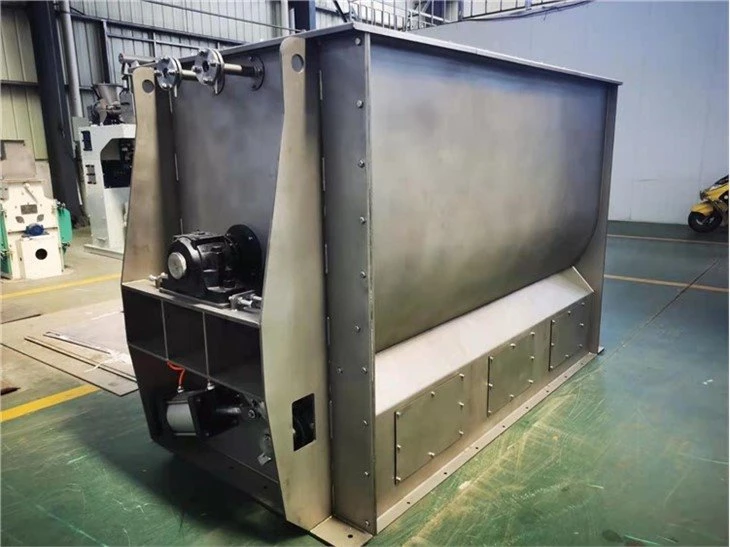

Types of Feed Mill Mixers and Their Safety Considerations
We offer a variety of feed mill mixers, such as the SLHY Horizontal Mixer and the Twin - shaft Paddle Mixer. Each type of mixer has its own unique features and safety considerations.
The SLHY Horizontal Mixer is known for its efficient mixing performance. However, due to its horizontal design, it is important to ensure that the feed is evenly distributed during loading to prevent uneven stress on the mixing components. Also, the access doors of the horizontal mixer should be properly secured during operation to prevent feed from spilling out.
The Twin - shaft Paddle Mixer offers a high - speed mixing action. The high - speed rotating paddles can be dangerous if not properly guarded. Operators should ensure that all safety guards are in place and in good condition. Additionally, the twin - shaft design requires careful monitoring of the alignment of the shafts to prevent excessive vibration and mechanical failure.
As a Pellet Die Manufacturer, we also understand the importance of safety in the overall feed production process. Pellet dies are an integral part of the feed mill, and their proper operation is closely related to the safety of the mixer.
Conclusion
Operating a feed mill mixer safely is a multi - faceted process that involves pre - operation checks, the use of personal protective equipment, following safe operating procedures, implementing lock - out/tag - out procedures, providing proper training, and conducting regular maintenance and inspections. By adhering to these safety precautions, operators can minimize the risk of accidents and ensure the long - term reliability of the feed mill mixer.
If you are in the market for a high - quality feed mill mixer or have any questions about safety precautions, we invite you to contact us for a detailed discussion. Our team of experts is ready to assist you in finding the right mixer for your needs and ensuring that you operate it safely.
References
- Manufacturer's manuals for feed mill mixers
- Occupational Safety and Health Administration (OSHA) regulations related to industrial equipment operation
- Industry best practices for feed mill safety