

The conveying capacity of a bucket elevator plays a pivotal role in determining its cost. As a seasoned bucket elevator supplier, I've witnessed firsthand how the relationship between these two factors can significantly impact a project's budget and overall efficiency. In this blog post, I'll delve into the various ways in which conveying capacity affects the cost of a bucket elevator, and provide insights to help you make informed decisions when selecting the right equipment for your needs.
Understanding Conveying Capacity
Conveying capacity refers to the amount of material a bucket elevator can transport within a given time frame, typically measured in tons per hour (t/h) or cubic meters per hour (m³/h). It is influenced by several factors, including the size and speed of the buckets, the spacing between them, and the type of material being conveyed. A higher conveying capacity generally means that the elevator can move more material in less time, which can be beneficial for large-scale operations with high throughput requirements.
Initial Investment
One of the most obvious ways in which conveying capacity affects the cost of a bucket elevator is through the initial investment. Higher-capacity elevators typically require larger components, such as bigger buckets, stronger belts or chains, and more powerful motors. These larger components come at a higher cost, both in terms of the materials themselves and the manufacturing processes required to produce them. For example, a TDTG Bucket Elevator with a high conveying capacity may need a wider belt and larger buckets to accommodate the increased volume of material. This not only increases the cost of the belt and buckets but also requires a more robust frame and drive system to support the additional weight and stress.
In addition to the cost of the components, higher-capacity elevators may also require more complex engineering and design. This can result in longer lead times and higher design fees, further adding to the initial investment. However, it's important to note that while the upfront cost of a high-capacity elevator may be higher, it can often provide a better return on investment in the long run by increasing productivity and reducing labor costs.
Operating Costs
The conveying capacity of a bucket elevator also has a significant impact on its operating costs. Higher-capacity elevators generally consume more energy due to the increased load they need to carry. This means that the electricity or fuel costs associated with running the elevator will be higher. For instance, a larger motor is required to drive a high-capacity elevator, and this motor will draw more power during operation. Additionally, the wear and tear on the components of a high-capacity elevator are typically greater due to the higher loads and speeds involved. This can lead to more frequent maintenance and replacement of parts, which can also add to the operating costs.
On the other hand, a high-capacity elevator can potentially reduce labor costs. Since it can move more material in less time, fewer operators may be needed to manage the material handling process. This can result in significant savings over the life of the elevator, especially in operations where labor costs are a major expense.
Maintenance and Repair Costs
As mentioned earlier, higher-capacity bucket elevators are subject to greater stress and wear and tear, which can increase the frequency and cost of maintenance and repairs. The larger components of a high-capacity elevator may be more expensive to replace, and the complexity of the system may require specialized skills and tools for maintenance. For example, the belts or chains in a high-capacity elevator may need to be replaced more often due to the higher tension and load they experience. Similarly, the bearings and gears in the drive system may wear out faster, requiring more frequent lubrication and replacement.
Regular maintenance is essential to ensure the reliable operation of a bucket elevator, regardless of its conveying capacity. However, for high-capacity elevators, it's even more crucial to have a comprehensive maintenance plan in place to minimize downtime and extend the lifespan of the equipment. This may involve more frequent inspections, preventive maintenance tasks, and the use of high-quality replacement parts.
Space Requirements
Another factor to consider when evaluating the cost of a bucket elevator based on its conveying capacity is the space requirements. Higher-capacity elevators generally require more space due to their larger size and the need for additional support structures. This can be a significant consideration, especially in facilities where space is limited. The cost of providing the necessary space for a high-capacity elevator may include the construction of a larger building or the modification of an existing one. Additionally, the layout of the facility may need to be adjusted to accommodate the elevator, which can also incur additional costs.
Choosing the Right Conveying Capacity
When selecting a bucket elevator, it's important to choose the right conveying capacity for your specific needs. A capacity that is too low may result in bottlenecks and reduced productivity, while a capacity that is too high can lead to unnecessary costs. To determine the appropriate conveying capacity, you need to consider factors such as the volume of material to be transported, the frequency of operation, and the future growth potential of your business.
For example, if you're operating a Flour Bucket Elevator in a small bakery, a low to medium-capacity elevator may be sufficient to meet your current needs. However, if you're planning to expand your business in the future, it may be wise to invest in a higher-capacity elevator to avoid the need for a costly replacement later on.
Conclusion
In conclusion, the conveying capacity of a bucket elevator has a profound effect on its cost, including the initial investment, operating costs, maintenance and repair costs, and space requirements. As a bucket elevator supplier, I understand the importance of finding the right balance between capacity and cost to meet the unique needs of each customer. By carefully considering the factors discussed in this blog post, you can make an informed decision when selecting a bucket elevator for your operation.

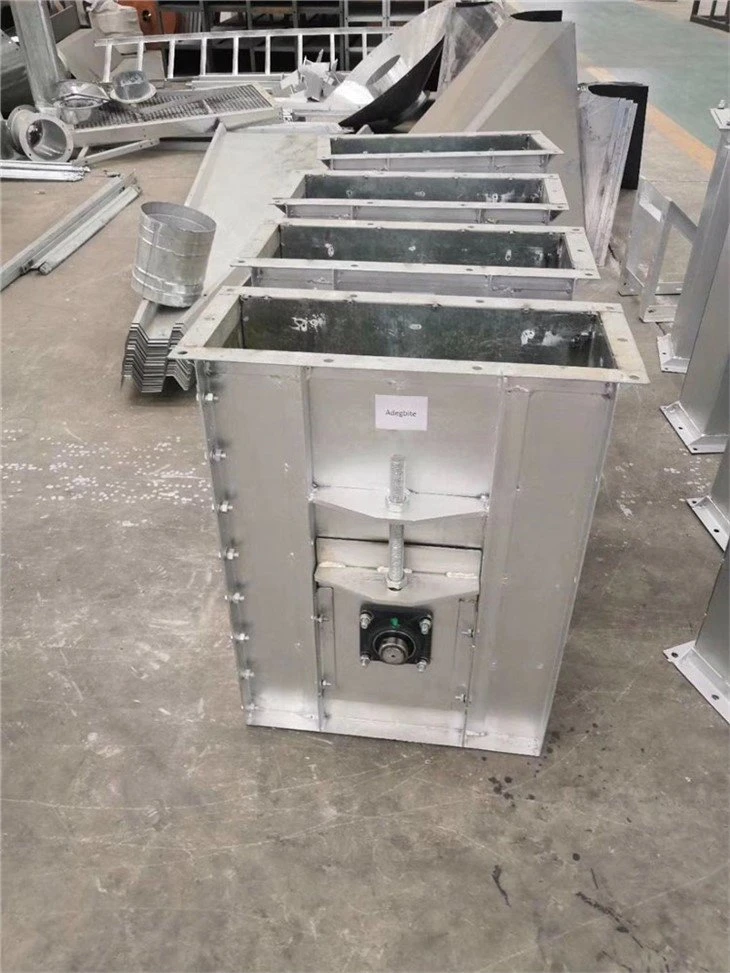
If you're in the market for a bucket elevator and need more information or assistance in choosing the right equipment, I encourage you to reach out to me. I'm here to help you navigate the complex world of bucket elevators and find the solution that best fits your requirements and budget. Let's have a discussion about your project and explore how we can work together to achieve your goals.
References
- "Bucket Elevators: Design and Operation" by Joseph F. Brennan
- "Conveying Equipment Handbook" by Paul Schwedes