

When it comes to feed pellet production, one of the most crucial decisions is choosing between a flat die and a ring die feed pellet mill. As a leading supplier in the industry, we understand the significance of this choice, which can profoundly impact the efficiency, quality, and cost of your pellet production. In this post, we’ll delve into the characteristics, advantages, and disadvantages of both types of pellet mills to help you make an informed decision.
Flat Die Feed Pellet Mills
Working Principle
Flat die feed pellet mills operate on a relatively simple yet effective principle. The raw materials are fed into the machine, where a rotating roller presses them through holes in a flat die. As the materials pass through these holes, they are shaped into pellets, which are then cut off by a blade at the end of the die. This straightforward mechanism makes flat die pellet mills popular among small - scale farmers and home users.
Advantages
- Low Cost: Flat die pellet mills are generally more affordable than their ring die counterparts. They require less complex machinery and materials, which translates into a lower initial investment. This makes them an excellent choice for those who are just starting in the pellet production business or have a limited budget.
- Easy to Operate and Maintain: The simple design of flat die pellet mills means that they are easy to operate. Even individuals with limited technical knowledge can quickly learn how to use them. Maintenance is also relatively straightforward, with fewer parts that need regular servicing. This reduces downtime and keeps production costs in check.
- Suitable for Small - Scale Production: Flat die pellet mills are ideal for small - scale operations. They can produce pellets at a rate that is well - suited for local farms or small - batch production. For example, a small poultry farm may find a Pellet Mill Lab - size flat die mill to be the perfect solution for producing their own feed.
Disadvantages
- Limited Production Capacity: While flat die pellet mills are great for small - scale production, they struggle to meet the demands of large - scale operations. Their production capacity is typically lower compared to ring die pellet mills, which means they may not be suitable for high - volume commercial production.
- Lower Pellet Quality: The pellets produced by flat die pellet mills often have a lower density and durability compared to those made by ring die mills. This can lead to higher breakage rates during handling and storage, reducing the overall quality of the feed.
Ring Die Feed Pellet Mills
Working Principle
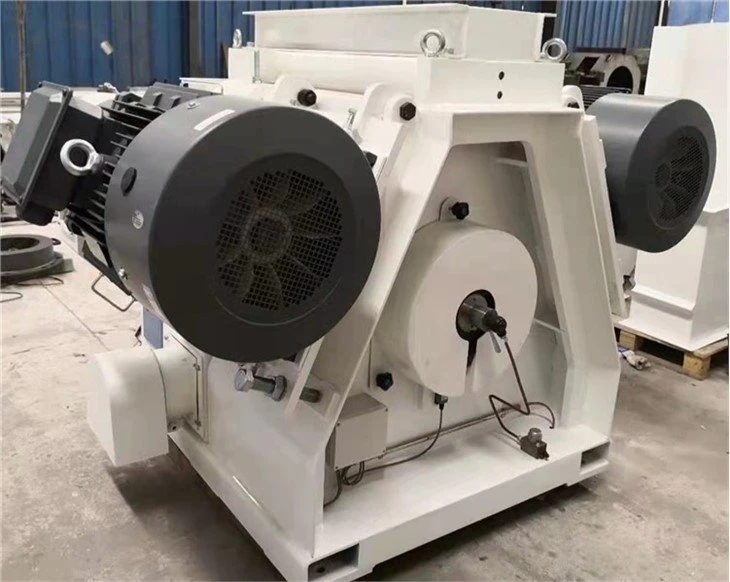
Ring die feed pellet mills use a different approach. The raw materials are introduced into the center of a rotating ring die. As the die rotates, rollers inside the die press the materials through the holes in the ring. The pressure exerted by the rollers during this process is much higher than that in flat die mills, resulting in denser and more uniform pellets.
Advantages
- High Production Capacity: Ring die pellet mills are designed for large - scale production. They can churn out a significant amount of pellets per hour, making them the preferred choice for commercial feed production facilities. Their ability to handle high volumes of raw materials efficiently ensures a consistent supply of feed to meet market demands.
- Superior Pellet Quality: The high pressure employed in ring die pellet mills results in pellets with a higher density and better durability. These pellets are less likely to break during transportation and storage, ensuring that the nutritional value of the feed is maintained until it reaches the end - user. For instance, in the production of Poultry Pellet Mill, the high - quality pellets produced by ring die mills can enhance the overall health and growth of poultry.
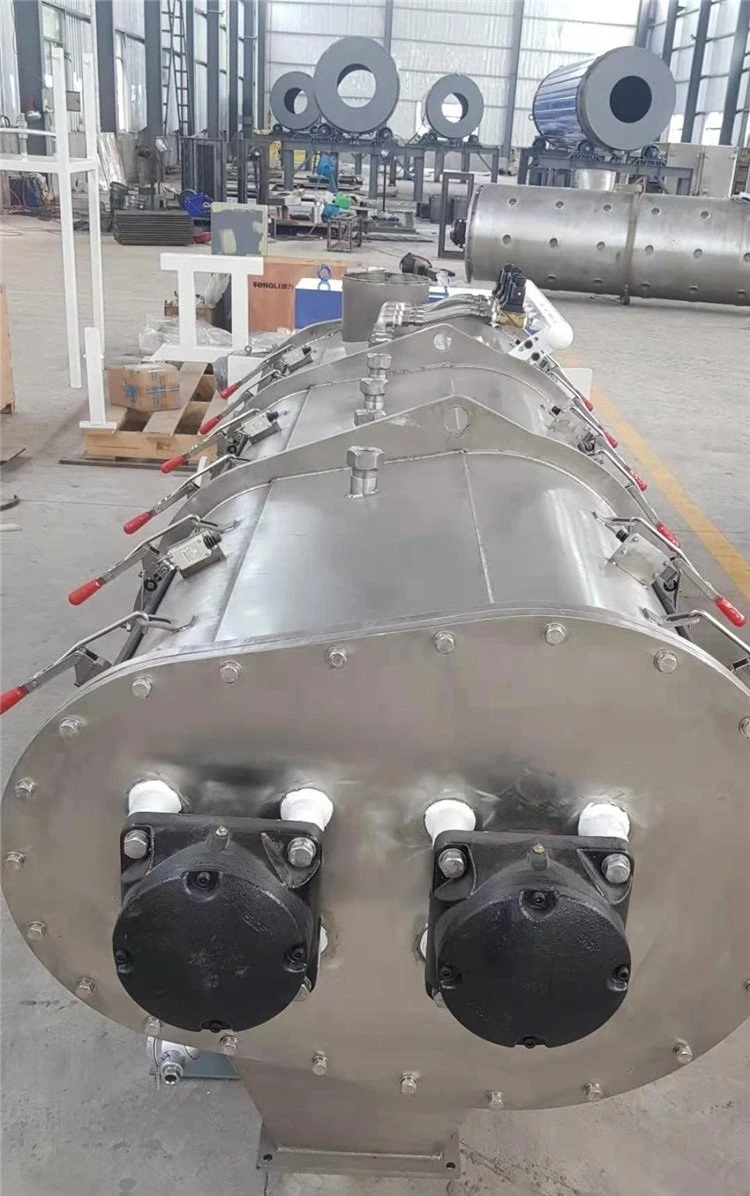
- Versatility: Ring die pellet mills can handle a wide range of raw materials, including grains, straws, and wood chips. This versatility makes them suitable for producing different types of feed, as well as biomass pellets. With the addition of a Stainless Steel DDC Conditioner, the quality of the feed can be further improved by pre - conditioning the raw materials.
Disadvantages
- High Initial Investment: Ring die pellet mills are more expensive to purchase than flat die mills. The complex design and high - quality materials used in their construction contribute to the higher cost. This can be a significant barrier for small - scale producers or those with limited financial resources.
- Complex Maintenance: The intricate machinery of ring die pellet mills requires more technical expertise for maintenance and repair. Regular servicing is essential to ensure the smooth operation of the machine, and any breakdown can result in significant production losses.
Choosing the Right Pellet Mill
The decision between a flat die and a ring die feed pellet mill depends on several factors:
- Production Scale: If you are a small - scale farmer or a hobbyist looking to produce feed for your own animals, a flat die pellet mill may be sufficient. However, if you are planning to set up a large - scale commercial feed production facility, a ring die pellet mill is the better option.
- Budget: Consider your financial resources when making a decision. If you have a tight budget, a flat die pellet mill can provide a cost - effective solution. But if you can afford the higher initial investment, the long - term benefits of a ring die mill may outweigh the upfront cost.
- Pellet Quality Requirements: If high - quality, dense pellets are crucial for your application, such as for high - value livestock or poultry feed, a ring die pellet mill is the way to go. For less demanding applications, a flat die mill may be adequate.
Conclusion
In conclusion, both flat die and ring die feed pellet mills have their own unique advantages and disadvantages. As a supplier of feed pellet mills, we are committed to helping you find the perfect solution for your specific needs. Whether you are looking for a Pellet Mill Lab - size for small - scale testing or a large - scale ring die mill for commercial production, we have the expertise and products to meet your requirements.
If you are interested in learning more about our feed pellet mills or would like to discuss your specific needs, please feel free to contact us. Our team of experts is ready to assist you in making the right choice for your business and guide you through the procurement process.
References
- "Feed Pellet Mill Technology Handbook", Industry Experts Publishing Group, 20XX.
- Research Papers on Feed Pellet Production, various academic journals in the agricultural and food processing fields.