

When it comes to choosing a bucket elevator for your industrial needs, one of the most critical decisions you'll face is whether to opt for a belt - type or a chain - type bucket elevator. As a seasoned bucket elevator supplier, I've witnessed firsthand the diverse requirements of different industries and the impact of this choice on operational efficiency and cost - effectiveness. In this blog, I'll delve into the characteristics, advantages, and disadvantages of both types to help you make an informed decision.
Belt - Type Bucket Elevators
Belt - type bucket elevators are a popular choice in many industries, and for good reason. They consist of a continuous belt, typically made of rubber or synthetic materials, with buckets attached at regular intervals. The belt is driven by a pulley system, which moves the buckets up and down to transport bulk materials.
Advantages
- Smooth Operation: Belt - type elevators offer a relatively smooth and quiet operation. The flexible nature of the belt allows for a gentle handling of materials, reducing the risk of breakage, especially for fragile products. This makes them ideal for industries such as food processing, where product integrity is crucial. For example, when transporting grains or cereals, a belt - type elevator can minimize the amount of damaged kernels, ensuring a higher - quality end - product.
- High - Speed Operation: These elevators can achieve high speeds, which means they can handle large volumes of materials in a relatively short period. This is beneficial for industries with high - throughput requirements, such as mining or agriculture. A high - speed belt - type elevator can keep up with the rapid pace of material flow from a production line, enhancing overall productivity.
- Lower Initial Cost: In general, belt - type bucket elevators have a lower initial purchase cost compared to chain - type elevators. This can be a significant factor for small and medium - sized enterprises looking to optimize their capital expenditure. The lower cost of the belt itself, along with simpler installation requirements, contributes to this cost advantage.
- Easy Maintenance: Maintenance of belt - type elevators is relatively straightforward. The belts are easy to inspect, and if a section of the belt is damaged, it can often be repaired or replaced without significant downtime. Additionally, the absence of complex chain - related components reduces the likelihood of mechanical failures.
Disadvantages
- Limited Capacity for Heavy or Abrasive Materials: Belt - type elevators are not well - suited for handling extremely heavy or highly abrasive materials. The belt can wear out quickly under the stress of heavy loads or the abrasion of rough materials, leading to frequent replacements and increased maintenance costs. For example, in a quarry where large chunks of rock need to be transported, a belt - type elevator may not be the best choice.
- Lower Temperature Resistance: The materials used in belts generally have lower temperature resistance compared to chains. This restricts their use in applications where high - temperature materials need to be transported, such as in some metal - processing industries.
Chain - Type Bucket Elevators
Chain - type bucket elevators, on the other hand, use chains to drive the buckets. The chains are typically made of metal, such as steel, and are designed to withstand heavy loads and harsh operating conditions.
Advantages
- High Load - Bearing Capacity: Chain - type elevators are known for their ability to handle heavy and bulky materials. The robust nature of the chains allows them to support large - capacity buckets filled with dense materials. This makes them a popular choice in industries like construction, where materials such as cement, gravel, and sand need to be transported in large quantities.
- Abrasion Resistance: Chains are more resistant to abrasion compared to belts. When dealing with abrasive materials, the chains can withstand the wear and tear better, resulting in a longer service life. In a coal - mining operation, for instance, a chain - type elevator can handle the rough coal without significant damage to the driving mechanism.
- High - Temperature Resistance: Metal chains can tolerate higher temperatures, making chain - type bucket elevators suitable for applications involving hot materials. In a foundry, where molten metal residues or hot slag need to be transported, a chain - type elevator can operate effectively without the risk of damage from the high temperatures.
Disadvantages
- Higher Initial Cost: As mentioned earlier, chain - type bucket elevators generally have a higher initial purchase cost. The cost of the chains, along with the more complex drive and support systems, contribute to this higher price tag. This can be a deterrent for some businesses with budget constraints.
- Noisier Operation: The movement of chains can generate more noise compared to belts. In a workplace where noise pollution is a concern, this can be a significant drawback. For example, in a food - processing facility where workers are present, the constant clanging of chains may not be ideal.
- Complex Maintenance: Maintenance of chain - type elevators is more complex. Chains need to be regularly lubricated, tensioned, and inspected for wear and damage. If a chain breaks, it can be more difficult and time - consuming to repair compared to a belt.
Application - Specific Considerations
- Food Industry: In the food industry, product quality and hygiene are of utmost importance. Belt - type bucket elevators are often preferred due to their smooth operation and gentle handling of materials. They are also easier to clean, which is essential for meeting food - safety standards. For example, a Flour Bucket Elevator used in a flour mill would benefit from the gentle handling of a belt - type elevator to prevent flour breakage and ensure a consistent product quality.
- Mining and Construction: These industries typically deal with heavy and abrasive materials. Chain - type bucket elevators are the go - to choice as they can handle the large volumes and harsh conditions. In a mining operation, a chain - type elevator can efficiently transport ore from the mine shaft to the surface.
- Agriculture: Depending on the specific application, both types can be used. For transporting grains in a farm silo, a belt - type elevator may be sufficient due to its high - speed operation and gentle handling. However, if the farm also deals with large bales of hay or other heavy agricultural products, a chain - type elevator may be more appropriate.
Conclusion
In conclusion, there is no one - size - fits - all answer to the question of whether a belt - type or a chain - type bucket elevator is better. It depends on a variety of factors, including the type of material to be transported, the required capacity, the operating environment, and the budget.

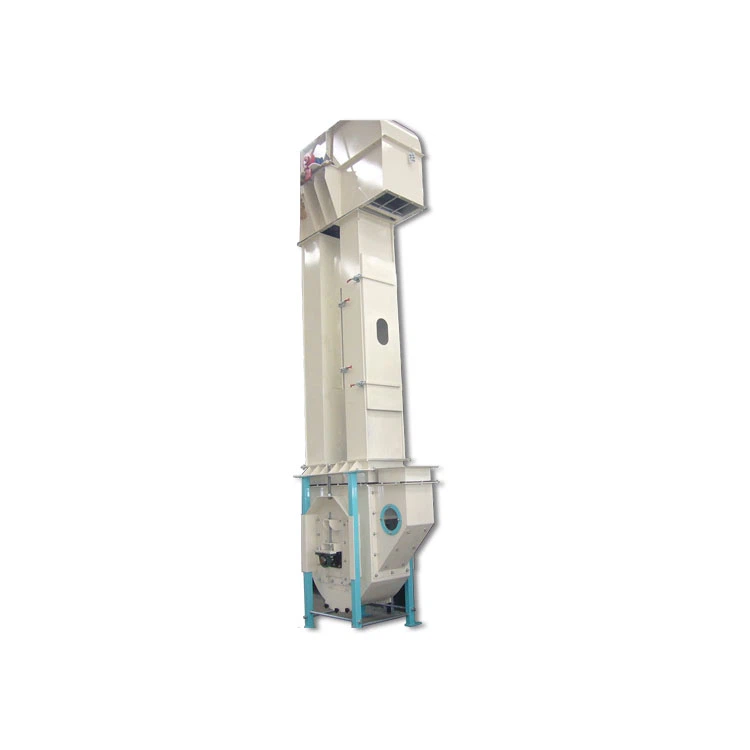
As a bucket elevator supplier, I understand the importance of making the right choice for your business. If you're still unsure which type of elevator is best for your application, I encourage you to reach out to us. Our team of experts can assess your specific needs and provide you with a customized solution. We also offer a range of high - quality bucket elevators, including the TDTG Bucket Elevator, which is designed to meet the diverse requirements of different industries.
If you're interested in learning more about our products or would like to discuss a potential purchase, please don't hesitate to contact us. We're here to help you make the most efficient and cost - effective decision for your material - handling needs.
References
- "Industrial Conveying Equipment Handbook"
- "Materials Handling in Different Industries" research papers
- Manufacturer's manuals for belt - type and chain - type bucket elevators