

Wear resistance is a critical factor when it comes to industrial equipment, especially for mixers that are constantly in contact with abrasive materials. As a supplier of the SJHS Paddle Mixer, I am often asked about the wear resistance of this particular product. In this blog post, I will delve into the details of what wear resistance means for the SJHS Paddle Mixer and why it is an important consideration for your operations.
Understanding Wear Resistance
Wear resistance refers to the ability of a material or component to withstand the effects of wear caused by friction, abrasion, erosion, or other mechanical forces. In the context of a paddle mixer, wear can occur in several areas, including the paddles themselves, the mixing chamber walls, and the shaft. Over time, excessive wear can lead to reduced performance, increased maintenance costs, and even equipment failure.
The wear resistance of a paddle mixer is influenced by several factors, including the materials used in its construction, the design of the mixing components, and the operating conditions. By understanding these factors, you can make an informed decision about whether the SJHS Paddle Mixer is the right choice for your application.
Materials Used in the SJHS Paddle Mixer
One of the key factors contributing to the wear resistance of the SJHS Paddle Mixer is the high-quality materials used in its construction. The paddles are typically made from wear-resistant steel alloys that are specifically designed to withstand the abrasive forces encountered during the mixing process. These alloys are carefully selected for their hardness, toughness, and resistance to corrosion, ensuring that the paddles maintain their integrity over an extended period of use.
In addition to the paddles, the mixing chamber walls are also lined with wear-resistant materials. This lining helps to protect the inner surface of the chamber from abrasion and erosion, reducing the risk of damage and extending the lifespan of the mixer. The choice of lining material depends on the specific requirements of the application, but common options include ceramic tiles, rubber liners, and polyurethane coatings.
Design of the Mixing Components
The design of the mixing components in the SJHS Paddle Mixer also plays a crucial role in its wear resistance. The paddles are designed with a specific shape and configuration that allows them to effectively mix the materials while minimizing the amount of contact and friction between the paddles and the mixing chamber walls. This design helps to reduce wear on both the paddles and the chamber walls, resulting in a longer service life for the mixer.
Furthermore, the shaft of the SJHS Paddle Mixer is designed to be robust and durable, with a large diameter and a high-quality bearing system. This design ensures that the shaft can withstand the heavy loads and torque generated during the mixing process, reducing the risk of wear and failure. The bearings are also lubricated and sealed to prevent the ingress of dust and debris, further enhancing their durability.
Operating Conditions
The operating conditions of the SJHS Paddle Mixer can also have a significant impact on its wear resistance. Factors such as the type of materials being mixed, the particle size and hardness of the materials, the mixing speed, and the frequency of operation can all affect the rate of wear. For example, mixing abrasive materials such as sand or gravel will generally result in more wear on the paddles and the mixing chamber walls than mixing softer materials such as flour or sugar.
To minimize wear and ensure the long-term performance of the SJHS Paddle Mixer, it is important to operate the mixer within its recommended parameters. This includes using the appropriate mixing speed, avoiding overloading the mixer, and regularly maintaining and inspecting the equipment. By following these guidelines, you can extend the lifespan of the mixer and reduce the need for costly repairs and replacements.
Benefits of the SJHS Paddle Mixer's Wear Resistance
The wear resistance of the SJHS Paddle Mixer offers several benefits for your operations. Firstly, it helps to reduce maintenance costs by minimizing the need for frequent replacement of worn components. This can result in significant savings over the lifespan of the mixer, especially for high-volume or continuous operation applications.
Secondly, the wear resistance of the SJHS Paddle Mixer ensures consistent performance over time. By maintaining the integrity of the mixing components, the mixer can continue to provide uniform mixing results, even after extended periods of use. This is particularly important in applications where product quality and consistency are critical.
Finally, the wear resistance of the SJHS Paddle Mixer contributes to the overall reliability and uptime of your production process. By reducing the risk of equipment failure and downtime, you can increase productivity and meet your production targets more efficiently.
Conclusion
In conclusion, the wear resistance of the SJHS Paddle Mixer is a key feature that makes it a reliable and cost-effective choice for a wide range of industrial applications. The high-quality materials, innovative design, and careful consideration of operating conditions all contribute to the mixer's ability to withstand the effects of wear and provide long-term performance.

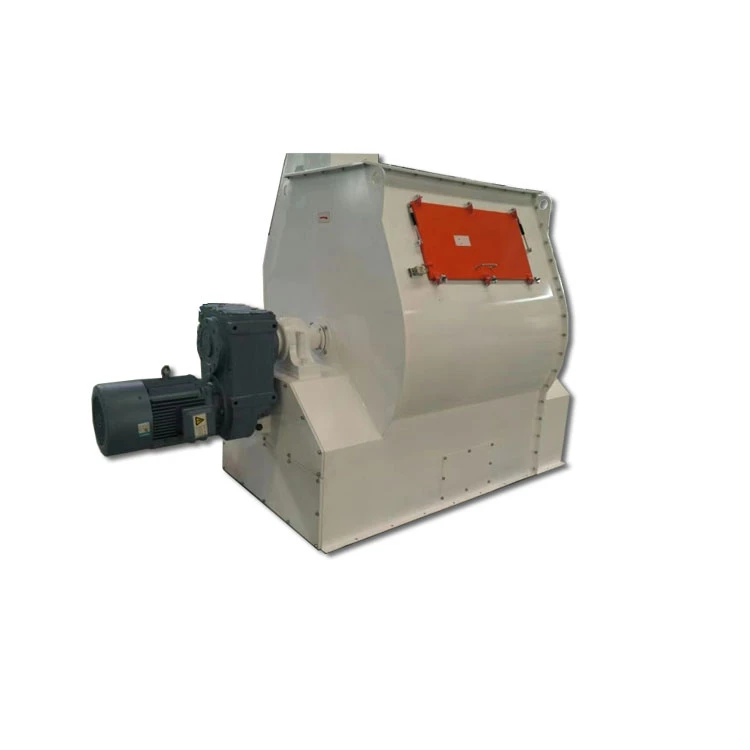
If you are in the market for a Feed Mill Paddle Mixer or a Horizontal Mixer with excellent wear resistance, I encourage you to consider the SJHS Paddle Mixer. Our team of experts is available to provide you with more information and help you determine if this mixer is the right fit for your specific needs. Contact us today to start a conversation about your requirements and explore how the SJHS Paddle Mixer can benefit your operations.
References
- Manufacturer's specifications and technical documentation for the SJHS Paddle Mixer.
- Industry research on wear resistance in paddle mixers and related equipment.