

Hey there, fellow feed mill enthusiasts! As a supplier of Feed Mill Crumblers, I've gotten a ton of questions over the years about the wear rate of the rolls in these machines. It's a crucial topic because the wear rate directly impacts the efficiency, cost, and overall performance of your feed mill. So, let's dive right in and explore what the wear rate of the rolls in a Feed Mill Crumbler is all about.
What Are Feed Mill Crumblers and Why Are Rolls Important?
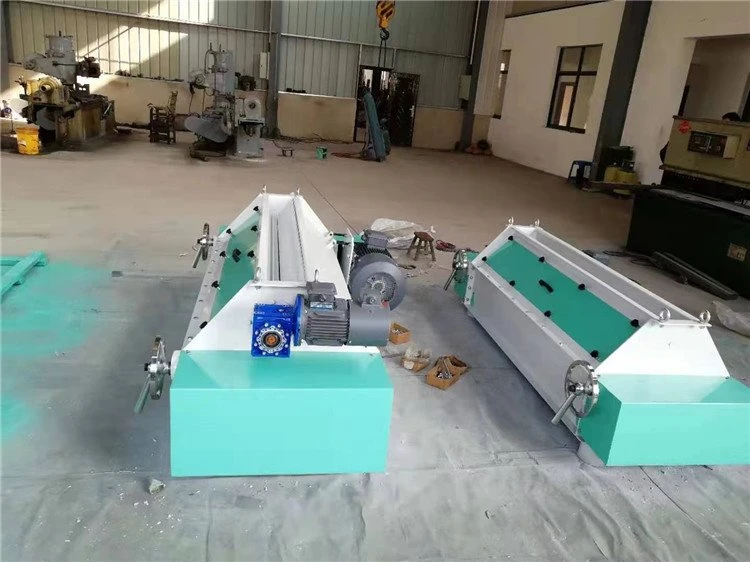
First off, let's quickly go over what a Feed Mill Crumbler is. A Feed Mill Crumbler is a machine used in the animal feed industry to break down pellets into smaller, more manageable crumbles. This is especially useful for young animals or those with specific dietary needs. You can check out more about Crumbler for Animal Feed on our website.
The rolls in a Feed Mill Crumbler are the heart of the operation. They're responsible for applying pressure and shearing force to the pellets to break them into crumbles. As you can imagine, this constant contact with hard pellets takes a toll on the rolls over time.
Factors Affecting the Wear Rate of Rolls
There are several factors that can influence the wear rate of the rolls in a Feed Mill Crumbler. Let's take a look at some of the most important ones.
1. Pellet Hardness
The hardness of the pellets being processed is a major factor. Harder pellets require more force to break, which means the rolls have to work harder. This increased stress on the rolls leads to faster wear. For example, if you're using a Poultry Feed Crumble Machine to process high-density poultry pellets, the rolls will wear out more quickly compared to processing softer pellets.
2. Roll Material
The material of the rolls plays a crucial role in determining their wear resistance. Rolls made from high-quality, wear-resistant materials like hardened steel or special alloys will generally have a lower wear rate. These materials can withstand the abrasive forces exerted by the pellets better than cheaper alternatives.
3. Feed Rate
The rate at which pellets are fed into the crumbler also affects the wear rate. If the feed rate is too high, the rolls may not have enough time to properly break the pellets, leading to increased friction and wear. On the other hand, if the feed rate is too low, the rolls may not be utilized efficiently, which can also cause uneven wear.
4. Operating Conditions
The environment in which the Feed Mill Crumbler operates can impact the wear rate of the rolls. High humidity, dust, and temperature fluctuations can all contribute to accelerated wear. For example, in a humid environment, the rolls may be more prone to corrosion, which can weaken the material and increase wear.
Measuring the Wear Rate of Rolls
So, how do you measure the wear rate of the rolls in a Feed Mill Crumbler? One common method is to measure the thickness of the rolls at regular intervals. You can use a caliper or a micrometer to take these measurements. By comparing the initial thickness of the rolls to the thickness after a certain period of operation, you can calculate the wear rate.
Another way to assess the wear rate is to monitor the performance of the crumbler. If you notice a decrease in the quality of the crumbles, an increase in the power consumption of the machine, or unusual noises coming from the rolls, these could be signs of excessive wear.

Managing and Reducing the Wear Rate
As a Feed Mill Crumbler supplier, I understand the importance of managing and reducing the wear rate of the rolls. Here are some tips to help you do just that.
1. Choose the Right Rolls
Invest in high-quality rolls made from wear-resistant materials. While they may be more expensive upfront, they'll last longer and save you money in the long run. Make sure to choose rolls that are specifically designed for the type of pellets you'll be processing.
2. Optimize the Feed Rate
Find the optimal feed rate for your Feed Mill Crumbler. This may require some trial and error, but it's worth the effort. A proper feed rate will ensure that the rolls are working efficiently and evenly, reducing the wear rate.
3. Maintain a Clean Operating Environment
Keep the area around the Feed Mill Crumbler clean and free of dust and debris. Regularly clean the rolls to remove any build-up of pellet residue. This will help prevent corrosion and reduce the abrasive forces on the rolls.
4. Monitor and Replace Rolls Regularly
Establish a regular maintenance schedule to monitor the wear rate of the rolls. Based on your measurements and performance monitoring, replace the rolls when they reach a certain level of wear. This will help ensure that your Feed Mill Crumbler continues to operate at peak efficiency.
The Impact of Wear Rate on Your Feed Mill
The wear rate of the rolls in a Feed Mill Crumbler can have a significant impact on your feed mill's bottom line. Excessive wear can lead to increased downtime for roll replacement, higher maintenance costs, and a decrease in the quality of the crumbles. This can ultimately result in lost production and dissatisfied customers.
On the other hand, by managing and reducing the wear rate, you can improve the efficiency of your feed mill, reduce costs, and maintain a high level of product quality.
Conclusion
In conclusion, the wear rate of the rolls in a Feed Mill Crumbler is a complex issue that is influenced by several factors. As a Feed Mill Crumbler supplier, I'm here to help you understand these factors and take the necessary steps to manage and reduce the wear rate. By choosing the right rolls, optimizing the feed rate, maintaining a clean operating environment, and monitoring and replacing the rolls regularly, you can ensure that your Feed Mill Crumbler operates at its best.
If you're interested in learning more about our Pellet Crumbler Machine or have any questions about the wear rate of rolls, don't hesitate to get in touch. We're always happy to assist you with your feed mill needs and discuss potential procurement opportunities.
References
- Feed Processing Technology Handbook
- Journal of Animal Feed Science and Technology