

Hey there! As a supplier of drag conveyors, I often get asked a bunch of questions about these nifty machines. One question that pops up quite a bit is, "Can the housing of a drag conveyor be opened for inspection and maintenance?" Well, let's dive right into it and find out.
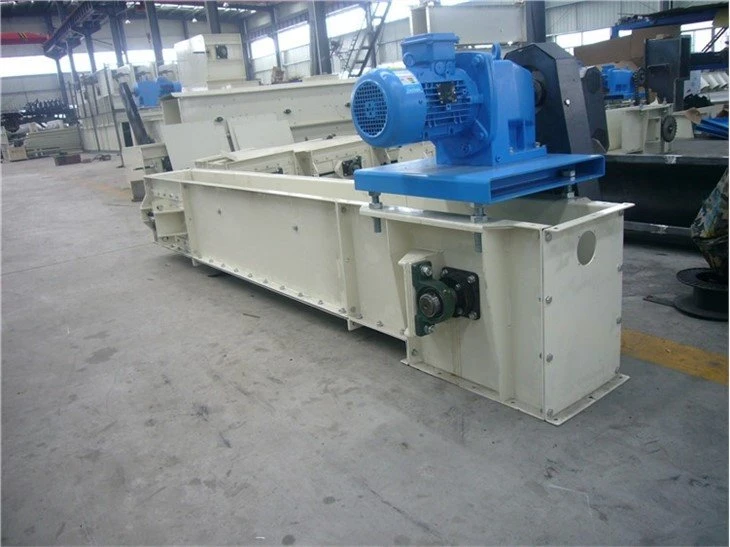
First off, let's talk a bit about what a drag conveyor is. A Drag Chain Conveyor is a type of conveyor system that uses a chain with attached flights or paddles to move materials along a trough or tube. These conveyors are super useful for moving all sorts of stuff, like powders, granules, and even some small pieces of solid materials. They're commonly used in industries such as agriculture, mining, and food processing.
Now, back to the main question. The short answer is yes, the housing of a drag conveyor can usually be opened for inspection and maintenance. And there are good reasons for doing so.
Why Open the Housing?
Inspection is crucial for keeping your drag conveyor running smoothly. Over time, wear and tear can take a toll on the internal components of the conveyor. By opening the housing, you can check for things like chain wear, flight damage, and any signs of blockages. For example, if there's a build - up of material inside the housing, it can cause the conveyor to work harder, leading to increased energy consumption and potentially shortening the lifespan of the machine.
Maintenance is another big reason. You might need to lubricate the chain, replace worn - out flights, or make adjustments to the tension of the chain. Without opening the housing, it would be nearly impossible to perform these tasks effectively.
How to Open the Housing
The process of opening the housing of a drag conveyor can vary depending on the model and design. For some of our TGSSP Series Level Drag Conveyor, the housing is designed with easy - access panels. These panels are usually secured with bolts or latches. All you need to do is use the appropriate tools to remove the fasteners and lift the panel.
In other cases, especially with larger or more complex conveyors, there might be a more involved process. You might need to remove some external guards or supports first. But don't worry, we always provide detailed manuals with our products that walk you through the exact steps for opening the housing safely.
Safety First
Before you go ahead and open the housing, safety should be your top priority. First, make sure the conveyor is completely shut off and disconnected from the power source. This will prevent any accidental starts while you're working inside the housing.
Wear appropriate personal protective equipment (PPE), such as gloves and safety glasses. The inside of the housing might have sharp edges or loose materials that could cause injury.
Also, be aware that some materials being conveyed might be hazardous. For example, if you're moving chemicals or abrasive substances, take extra precautions to avoid exposure.
Challenges and Considerations
While opening the housing is generally a straightforward process, there are a few challenges you might face. One issue is re - sealing the housing properly after the inspection or maintenance is done. A poor seal can lead to material leakage, which not only creates a mess but can also be a safety hazard. Make sure to clean the sealing surfaces thoroughly and use the correct gaskets or seals when reassembling the housing.
Another consideration is the time it takes to open and close the housing. In a production environment, downtime can be costly. That's why we design our conveyors to have quick - access features to minimize the time spent on maintenance.
Benefits of Regular Inspection and Maintenance
Regularly opening the housing for inspection and maintenance can bring a whole bunch of benefits. It can extend the lifespan of your drag conveyor significantly. By catching problems early, you can avoid major breakdowns that could result in long - term production losses.
It also helps to improve the efficiency of the conveyor. When the internal components are in good condition, the conveyor can operate at its optimal performance, using less energy and reducing operating costs.

In addition, regular maintenance can enhance safety in the workplace. A well - maintained conveyor is less likely to malfunction, which reduces the risk of accidents and injuries.
Conclusion
So, to sum it all up, the housing of a drag conveyor can definitely be opened for inspection and maintenance. It's an important part of keeping your conveyor in top - notch condition. Whether you're using a Drag Chain Conveyor or our TGSSP Series Level Drag Conveyor, regular inspection and maintenance will pay off in the long run.
If you're in the market for a new drag conveyor or need more information about maintenance, don't hesitate to reach out. We're here to help you make the best choice for your business and ensure that your conveyor operates smoothly for years to come. Let's start a conversation about your specific needs and see how we can assist you in getting the most out of your conveyor system.
References
- Conveyor Handbook: A comprehensive guide to conveyor systems and their maintenance.
- Industry standards for conveyor safety and operation.