

Hey there! As a supplier of bucket elevators, I often get asked about the wear rate of the buckets in a bucket elevator. It's a crucial question because the wear rate directly affects the efficiency, maintenance cost, and lifespan of the entire system. So, let's dive right into it and explore what the wear rate of these buckets is all about.
First off, what exactly is wear rate? In simple terms, the wear rate of the buckets in a bucket elevator refers to how quickly the buckets deteriorate or lose material over time. It's usually measured as the volume or mass of material lost per unit of time or per unit of work done. For example, it could be grams per hour or cubic centimeters per ton of material conveyed.
There are several factors that can influence the wear rate of bucket elevator buckets. One of the most significant factors is the type of material being conveyed. If you're dealing with abrasive materials like sand, gravel, or crushed ore, the buckets are going to experience much higher wear compared to conveying something like grains or powders. Abrasive materials have sharp edges that can scrape and erode the bucket surface as they are scooped up and transported.
Another factor is the speed of the elevator. Faster speeds generally mean more frequent impacts and higher forces acting on the buckets. When the buckets move at high velocities, they hit the material harder during the scooping process and also experience more stress when they discharge the material. This increased mechanical stress can lead to faster wear and tear.
The design and material of the buckets themselves also play a big role. Buckets made from high - quality, wear - resistant materials such as hardened steel or specialized polymers will have a lower wear rate compared to those made from cheaper, less durable materials. Additionally, the shape of the bucket can affect how the material flows in and out, which in turn can impact wear. A well - designed bucket will minimize the amount of material that rubs against its walls during filling and discharging.
Let's talk about how we can measure the wear rate. One common method is to periodically weigh the buckets. By comparing the initial weight of the buckets with their weight after a certain period of operation, we can calculate the amount of material lost. Another way is to measure the thickness of the bucket walls at regular intervals using tools like ultrasonic thickness gauges. A decrease in wall thickness indicates wear.
Now, why is it so important to understand the wear rate? Well, if the wear rate is too high, it can lead to several problems. Firstly, it can reduce the capacity of the elevator. As the buckets wear, they may not be able to hold as much material, which means less product can be transported per cycle. This can slow down the entire production process and lead to lower efficiency.
Secondly, high wear rates mean more frequent bucket replacements. This not only incurs direct costs for the new buckets but also downtime for the elevator while the buckets are being replaced. Downtime can be extremely costly, especially in industries where continuous production is crucial.
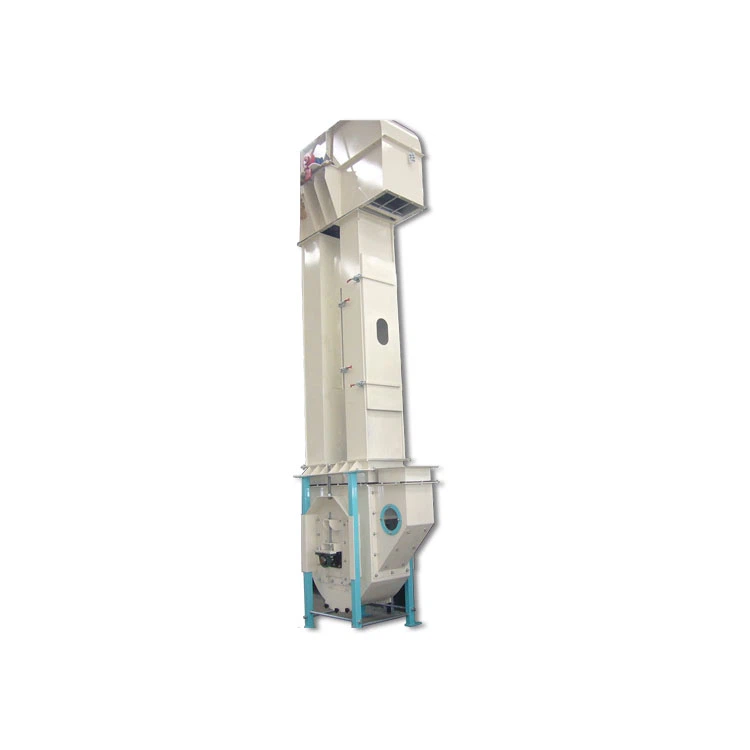
As a bucket elevator supplier, we take the wear rate of our buckets very seriously. We offer a range of bucket elevators, including the TDTG Bucket Elevator and the Flour Bucket Elevator, which are designed with wear - resistance in mind. Our engineers use advanced materials and innovative designs to minimize the wear rate and ensure long - term performance.
For the TDTG Bucket Elevator, we've optimized the bucket shape and material selection to handle a variety of materials with minimal wear. Whether you're dealing with large - scale industrial applications or smaller operations, this elevator can provide reliable service. The Flour Bucket Elevator, on the other hand, is specifically designed for the food industry. It uses food - grade materials that are not only safe for handling flour and other food products but also have good wear - resistant properties.
To further reduce the wear rate, we also offer maintenance tips to our customers. Regular cleaning of the buckets can prevent the buildup of abrasive particles that can accelerate wear. Lubricating the moving parts of the elevator can also reduce friction and stress on the buckets.
If you're in the market for a bucket elevator or want to learn more about how to manage the wear rate of your existing equipment, we're here to help. Our team of experts can provide personalized advice based on your specific needs and the type of material you're conveying.
In conclusion, understanding the wear rate of the buckets in a bucket elevator is essential for anyone using this type of equipment. By considering factors like the material being conveyed, elevator speed, bucket design, and material, you can take steps to minimize wear and ensure the smooth operation of your elevator. And if you're looking for a reliable bucket elevator supplier, we're just a conversation away. Reach out to us to start a discussion about your requirements and how we can help you get the most out of your bucket elevator.
References

- "Conveyor Equipment Handbook"
- "Materials Science and Engineering for Industrial Applications"