

Hey there! As a supplier of Rotary Distributors, I often get asked about the voltage requirements for these nifty machines. So, I thought I'd take some time to break it down for you in this blog post.
First off, let's talk about what a rotary distributor is. In simple terms, it's a device that evenly distributes materials, like grains or feed, to different locations. It's a crucial piece of equipment in many industries, especially in agriculture and food processing. There are different types of rotary distributors out there, such as the Rotary Grain Distributor, the TFPX Series Rotary Distributor, and the Rotary Distributor for Feed Machine. Each type has its own unique features and applications, but they all rely on electricity to operate.
Now, onto the voltage requirements. The voltage needed for a rotary distributor can vary depending on several factors. One of the main factors is the size and power of the distributor. Smaller, less powerful rotary distributors may run on a lower voltage, typically around 110 - 120 volts. These are often used in smaller-scale operations or in areas where the electrical supply is more limited. For example, if you have a small farm and you're using a rotary distributor to distribute grains in a single storage bin, a 110 - 120 - volt model might be sufficient.
On the other hand, larger and more powerful rotary distributors usually require a higher voltage, such as 220 - 240 volts or even three - phase power in some industrial settings. These high - voltage models are designed to handle larger volumes of materials and operate at higher speeds. In a big commercial feed mill, for instance, where large quantities of feed need to be distributed quickly and efficiently, a 220 - 240 - volt or three - phase rotary distributor would be the way to go.
Another factor that affects the voltage requirement is the motor type. Different motors have different power consumption and voltage needs. Some rotary distributors use standard induction motors, while others may use more advanced servo motors. Servo motors often require a more precise and stable power supply, which might mean a specific voltage range is needed for optimal performance.
It's also important to consider the electrical infrastructure of the location where the rotary distributor will be installed. In some regions, the standard household or industrial electrical supply may be different. For example, in the United States, the common household voltage is 110 - 120 volts, while in many other countries, 220 - 240 volts is the norm. If you're planning to use a rotary distributor in a different country or region, you need to make sure the voltage requirement of the machine matches the local electrical supply. Otherwise, you may need to use a voltage converter, which can add to the cost and complexity of the installation.
When it comes to ensuring the proper voltage for your rotary distributor, there are a few things you can do. First, always check the manufacturer's specifications. The manufacturer will provide detailed information about the voltage requirements, as well as other important technical details. Make sure you read and understand these specifications before purchasing or installing the distributor.
Second, have a qualified electrician inspect the electrical system at the installation site. They can determine if the existing electrical supply can meet the voltage and power requirements of the rotary distributor. If necessary, they can also make any modifications or upgrades to the electrical system to ensure safe and reliable operation.
In addition to the voltage, you also need to pay attention to other electrical aspects, such as the amperage and frequency. Amperage refers to the amount of electrical current flowing through the circuit, and frequency is the number of cycles per second of the alternating current. These values also need to be within the acceptable range specified by the manufacturer.
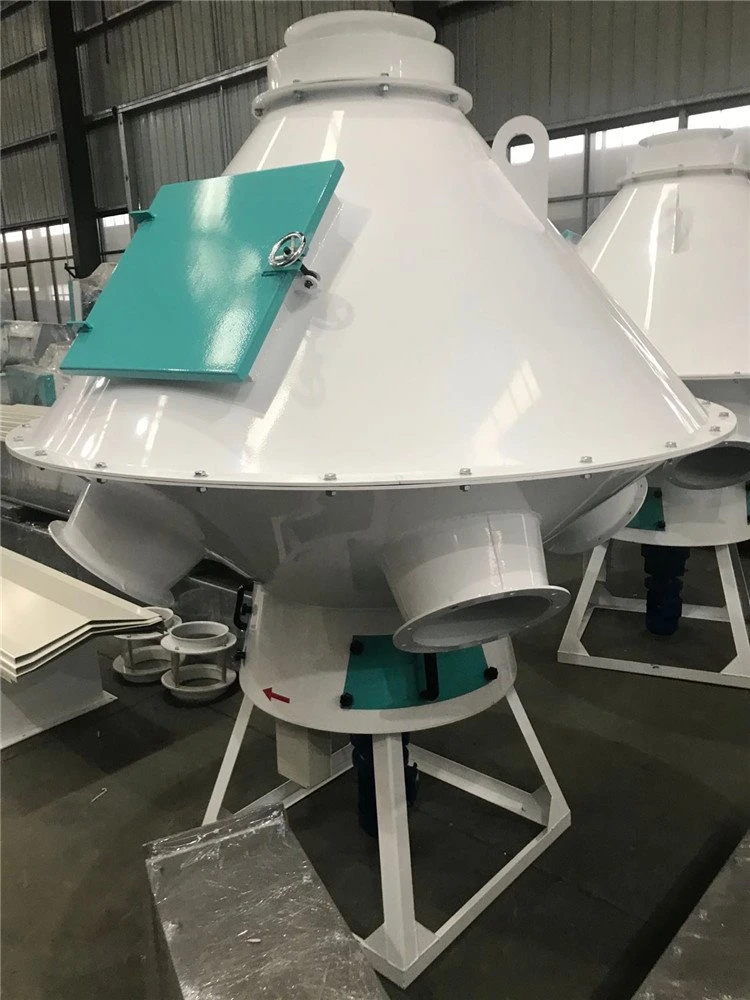

Now, let's talk about the benefits of getting the voltage requirement right. When a rotary distributor is operating at the correct voltage, it will perform at its best. It will distribute materials evenly and efficiently, reducing waste and improving productivity. It will also have a longer lifespan, as operating at the wrong voltage can cause excessive wear and tear on the motor and other components.
On the flip side, using the wrong voltage can lead to a whole host of problems. If the voltage is too low, the distributor may not have enough power to operate properly. It may run slowly, or it may not be able to distribute materials evenly. In some cases, it may even overheat and cause damage to the motor. On the other hand, if the voltage is too high, it can cause electrical components to fail, and it can also pose a safety hazard.
As a supplier of rotary distributors, we understand the importance of getting the voltage requirements right. That's why we offer a wide range of rotary distributors with different voltage options to meet the needs of our customers. Whether you're a small - scale farmer or a large industrial operation, we have a rotary distributor that's right for you.
If you're in the market for a rotary distributor and you're not sure about the voltage requirements, don't worry. Our team of experts is here to help. We can answer all your questions and guide you through the process of choosing the right distributor for your specific needs. Just reach out to us, and we'll be happy to have a chat with you about your project.
In conclusion, the voltage requirement for a rotary distributor is an important factor that you need to consider when purchasing and installing one. By understanding the factors that affect the voltage, checking the manufacturer's specifications, and ensuring the electrical system is suitable, you can ensure that your rotary distributor operates safely and efficiently. So, if you're thinking about adding a rotary distributor to your operation, don't hesitate to contact us. We're here to make sure you get the best product and the best service.
References:
- General knowledge of electrical engineering and industrial equipment operation.
- Manufacturer's specifications for various rotary distributor models.