

In the realm of industrial material handling, drag conveyors are stalwarts, providing reliable bulk material transportation across a plethora of sectors. As a seasoned drag conveyor supplier, I often encounter clients curious about the service life of these essential machines. Understanding the service life of a drag conveyor is crucial for businesses aiming to optimize their operations, budget for replacements, and ensure seamless production processes.
Understanding Drag Conveyors
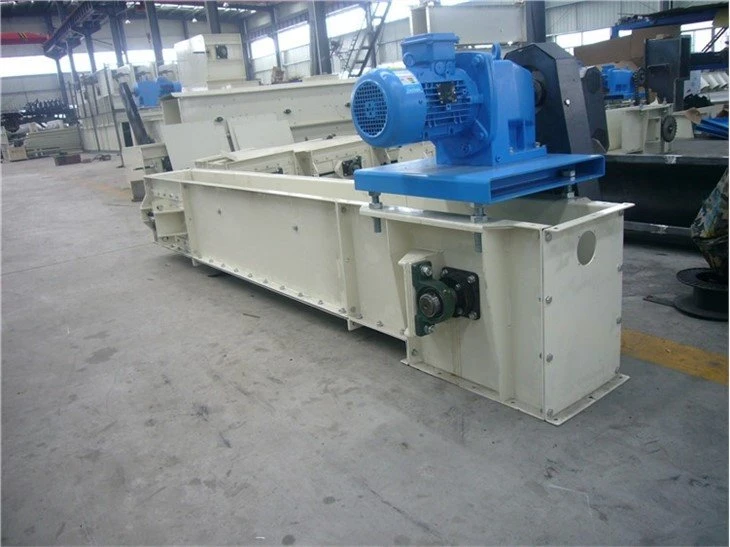
Before delving into the service life, it's essential to understand what drag conveyors are. A drag conveyor is a mechanical conveying system designed to move bulk materials along a trough or tube using a chain and flight assembly. These conveyors can handle a wide range of materials, including powders, granules, and even irregularly shaped solids. They are commonly used in industries such as agriculture, mining, food processing, and chemical manufacturing. For instance, in the agricultural sector, they are used to move grains from storage bins to processing equipment; in the mining industry, they transport ore and other materials.
There are different types of drag conveyors, each suited to specific applications. One popular type is the Drag Chain Conveyor. This type uses a chain and flight mechanism to drag materials along a trough. The chain is powered by a motor, and the flights attached to the chain move the material forward. Another notable type is the TGSSP Series Level Drag Conveyor, which is designed for horizontal or slightly inclined material handling. It offers high efficiency and low maintenance requirements, making it a popular choice for many industries.
Factors Affecting the Service Life of Drag Conveyors
The service life of a drag conveyor is influenced by multiple factors, some of which are intrinsic to the design and quality of the conveyor, while others are related to the operating environment and maintenance practices.
1. Quality of Materials and Manufacturing
The materials used in the construction of a drag conveyor play a significant role in determining its service life. High - quality steel alloys, for example, are more resistant to wear and corrosion compared to lower - grade materials. Components like the chain, flights, and trough should be made from durable materials that can withstand the constant friction and stress associated with material handling. A well - manufactured drag conveyor will also have precise machining and assembly, ensuring smooth operation and reducing the likelihood of premature failure. For instance, a conveyor with a well - designed chain link that minimizes stress concentration will have a longer service life.
2. Operating Conditions
The environment in which the drag conveyor operates can have a profound impact on its lifespan. Factors such as temperature, humidity, and the type of material being conveyed are critical. Extreme temperatures can cause the conveyor components to expand or contract, leading to premature wear or even structural failure. High humidity levels can promote corrosion, especially in areas where the conveyor is exposed to moisture. The abrasiveness of the material being transported is also a key factor. Conveying highly abrasive materials, such as sand or gravel, will cause more wear on the chain, flights, and trough than less abrasive materials like grain or plastic pellets.
3. Maintenance and Lubrication
Regular maintenance is essential for extending the service life of a drag conveyor. This includes tasks such as inspecting the chain for wear, checking the alignment of the conveyor components, and tightening any loose bolts or fasteners. Lubrication is also crucial, as it reduces friction between moving parts, preventing excessive wear and tear. Without proper lubrication, the chain and bearings can overheat, leading to premature failure. It is recommended to follow the manufacturer's maintenance schedule and use the appropriate lubricants for the specific application.
4. Load Capacity
Operating the drag conveyor within its designed load capacity is vital. Overloading the conveyor can cause excessive stress on the chain, motor, and other components, leading to accelerated wear and potential breakdowns. It is important to accurately calculate the required load capacity based on the material flow rate and volume to ensure the conveyor is not overworked.

Estimating the Service Life
Given the multitude of factors at play, it is challenging to provide a precise service life for a drag conveyor. However, with proper design, installation, maintenance, and operation, a well - built drag conveyor can last anywhere from 10 to 20 years. Some high - quality conveyors may even exceed this range under ideal conditions.
In a controlled environment, such as a clean food processing facility where the conveyor is used to transport non - abrasive materials like flour or sugar, and where regular maintenance is carried out, the service life can approach the upper end of this range. On the other hand, in a harsh mining environment, where the conveyor is exposed to high temperatures, abrasive materials, and dust, the service life may be closer to the lower end or even shorter if maintenance is inadequate.
Extending the Service Life of Drag Conveyors
As a drag conveyor supplier, I often share tips with my clients on how to extend the service life of their equipment.
1. Select the Right Conveyor for the Application
Choosing the appropriate type of drag conveyor for the specific material and application is crucial. For example, if you are dealing with abrasive materials, a conveyor with wear - resistant components should be selected. If the material is prone to sticking, a conveyor with a smooth trough or special flight design may be required.
2. Implement a Preventive Maintenance Program
A well - structured preventive maintenance program can significantly extend the service life of a drag conveyor. This program should include regular inspections, lubrication, and replacement of worn parts before they cause major problems. By identifying and addressing potential issues early, the likelihood of costly breakdowns and downtime is reduced.
3. Train Operators
Proper training of operators is essential to ensure the conveyor is operated correctly. Operators should be aware of the conveyor's load capacity, start - up and shutdown procedures, and basic maintenance tasks. This helps to prevent operator - induced damage and ensures the conveyor is used in a way that maximizes its service life.
Contact for Procurement and Consultation
If you are in the market for a drag conveyor or need to extend the service life of your existing equipment, I'm here to help. As a professional drag conveyor supplier, I can offer expert advice on the selection, installation, and maintenance of drag conveyors. Whether you need a Drag Chain Conveyor for your mining operation or a TGSSP Series Level Drag Conveyor for your food processing plant, I have the knowledge and experience to meet your requirements. Contact me to discuss your specific needs and start a procurement process that ensures you get the most out of your investment.
References
- "Bulk Material Handling Handbook" by CEMA (Conveyor Equipment Manufacturers Association)
- "Industrial Conveying Technology" by various industry experts