

Hey there! As a supplier of rotary distributors, I'm super excited to share with you all about the role of a rotary distributor in an automated production line.
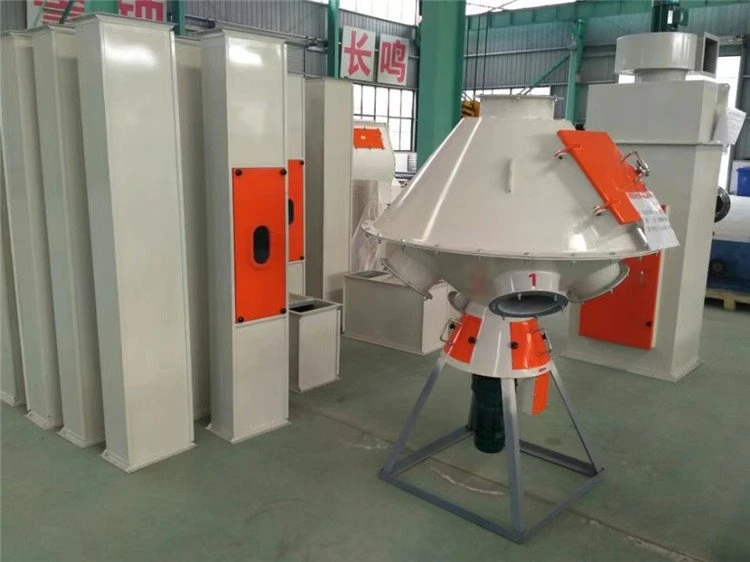
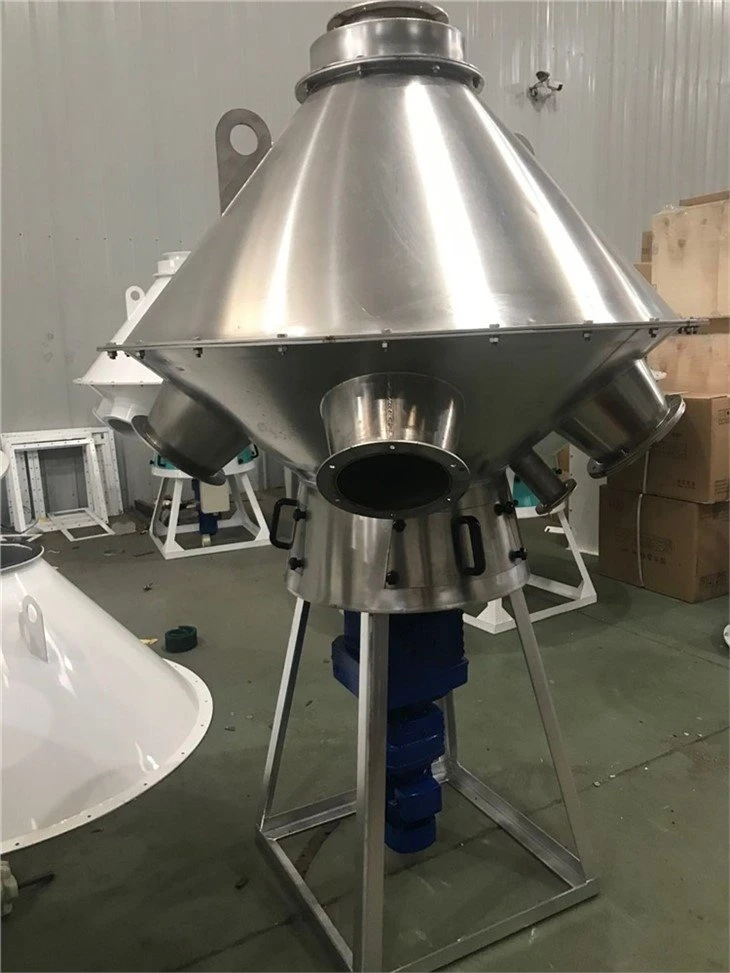
So, what exactly is a rotary distributor? Well, it's a nifty piece of equipment that plays a crucial part in evenly distributing various materials across different stations or containers in an automated setup. It's like the traffic cop of the production line, making sure everything flows smoothly and gets to where it needs to be.
Let's start by talking about the types of materials that rotary distributors can handle. One common type is powder. A Powder Rotary Distributor is specifically designed to deal with fine powders. In industries like pharmaceuticals, chemicals, and food processing, accurate and uniform distribution of powders is essential. For example, in a pharmaceutical production line, the powder rotary distributor ensures that the right amount of active ingredients and excipients are distributed into each capsule or tablet mold. This precision is key to maintaining the quality and consistency of the final product.
Another important application is in the grain industry. A Rotary Grain Distributor is used to evenly spread grains such as wheat, corn, and barley. In large-scale grain storage facilities or processing plants, these distributors help in filling multiple silos or bins with the right amount of grain. This not only ensures efficient use of storage space but also helps in maintaining the quality of the grains by preventing uneven settling or spoilage.
Feed machines also rely heavily on rotary distributors. A Rotary Distributor for Feed Machine is responsible for distributing different ingredients like grains, vitamins, and minerals in the correct proportions to produce high - quality animal feed. By ensuring an even distribution of ingredients, it helps in creating a balanced diet for animals, which is crucial for their growth and health.
Now, let's dig deeper into the role of a rotary distributor in an automated production line. One of the primary functions is to improve efficiency. In a manual distribution process, it can be time - consuming and prone to errors. Workers may not always distribute materials evenly, which can lead to inconsistent product quality. With a rotary distributor, the process is automated, and it can distribute materials at a much faster rate. This means that the production line can operate at a higher speed, increasing the overall output of the factory.
Accuracy is another major advantage. Rotary distributors are designed to be highly precise. They can measure and distribute materials with a high degree of accuracy, down to the smallest unit. This is especially important in industries where even a small deviation in the amount of material can have a significant impact on the final product. For example, in the electronics industry, where tiny amounts of conductive powders are used in the manufacturing of circuit boards, the accuracy of the rotary distributor can make or break the functionality of the product.
Consistency is also a key factor. Once a rotary distributor is set up to distribute a certain amount of material, it will keep doing so in the same way for every cycle. This ensures that every product coming off the production line is of the same quality. In industries like automotive manufacturing, where parts need to be interchangeable and of high quality, the consistency provided by a rotary distributor is invaluable.
In addition to these benefits, rotary distributors also contribute to cost - savings. By reducing waste due to inaccurate distribution, they help in saving raw materials. Also, since they can operate continuously without breaks, they reduce the need for manual labor, which can be a significant cost in the long run.
Let's talk about how a rotary distributor actually works. Most rotary distributors consist of a rotating chamber or drum. The material is fed into the chamber, and as the chamber rotates, it distributes the material through a series of outlets. The speed of rotation, the size of the outlets, and other parameters can be adjusted to control the amount and rate of material distribution. Some advanced rotary distributors are also equipped with sensors and control systems that can adjust the distribution process in real - time based on the feedback they receive.
However, like any piece of equipment, rotary distributors also require proper maintenance. Regular cleaning is essential to prevent the build - up of materials inside the chamber, which can affect its performance. Lubrication of moving parts is also necessary to ensure smooth operation. And periodic inspections should be carried out to check for any signs of wear and tear.
If you're in an industry that requires the distribution of materials in an automated production line, then a rotary distributor could be a game - changer for you. Whether you're dealing with powders, grains, or ingredients for feed machines, we've got the right rotary distributor for your needs.
We understand that every production line is unique, and we're more than happy to work with you to find the perfect solution. Our team of experts can help you choose the right model, install it, and provide ongoing support. So, if you're interested in learning more about our rotary distributors or want to discuss a potential purchase, don't hesitate to get in touch. We're here to help you take your production line to the next level.
References:
- Industry reports on automated production line technologies
- Manufacturer's manuals for rotary distributors
- Research papers on material distribution in industrial processes