

Hey there! I'm a supplier of the SJHS Paddle Mixer, and today I wanna chat about one of the most common questions I get: What is the power consumption of SJHS Paddle Mixer?
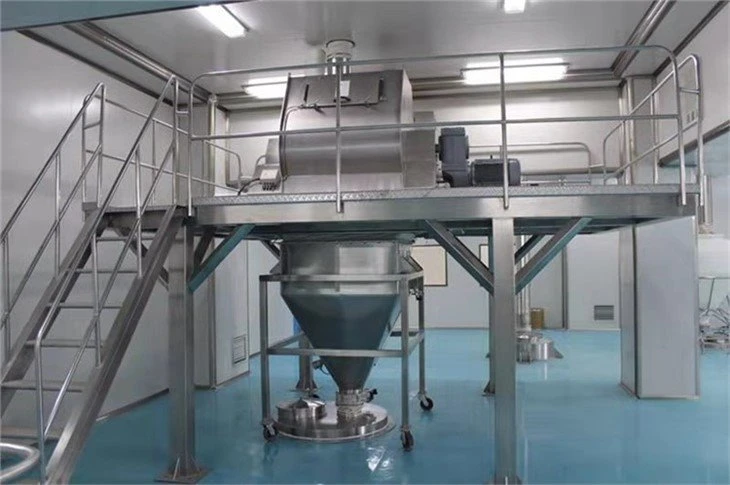
First off, let's understand what the SJHS Paddle Mixer is. It's a pretty nifty piece of equipment, part of the SJHS Paddle Mixer family. This mixer is widely used in various industries, especially in feed mills. It's designed to blend different materials thoroughly and efficiently, making it a must - have for many businesses.
Now, power consumption is a big deal for any piece of machinery. It affects your operating costs, and in the long run, it can have a significant impact on your bottom line. The power consumption of the SJHS Paddle Mixer isn't a one - size - fits - all number. There are several factors that come into play.
Factors Affecting Power Consumption
Mixer Size
The size of the SJHS Paddle Mixer matters a lot. Larger mixers generally require more power to operate. A small - scale mixer used in a home - based or small - business setup will consume less power compared to a large industrial - grade SJHS Paddle Mixer. For example, a mixer with a capacity of 100 liters might have a relatively low power rating, say around 2 - 3 kilowatts. On the other hand, a large 5000 - liter mixer could need 15 - 20 kilowatts or even more to run effectively.
Mixing Time
How long you run the mixer also affects power consumption. If you're constantly running the mixer for long periods, you're going to use more electricity. Some mixing processes require a longer time to ensure a homogeneous blend, especially when dealing with difficult - to - mix materials. For instance, if you're mixing materials with different densities or viscosities, you might need to run the mixer for 10 - 15 minutes instead of the usual 5 minutes. This extended running time will naturally increase the power consumption.
Material Characteristics
The type of materials you're mixing plays a huge role. Materials that are heavy, dense, or sticky require more power to mix. For example, if you're mixing wet and sticky feed ingredients, the paddles in the mixer have to work harder to break up clumps and distribute the materials evenly. In contrast, light and free - flowing materials like some types of grains are easier to mix and consume less power.
Mixer Speed
The speed at which the mixer operates is another factor. Higher speeds generally mean higher power consumption. You can adjust the speed of the SJHS Paddle Mixer according to your specific needs. If you need a quick mix for less - demanding applications, you can set it at a lower speed. But for more thorough mixing, you might need to increase the speed, which will use more power.
Typical Power Consumption Ranges
Based on my experience as a supplier, here are some typical power consumption ranges for different types of SJHS Paddle Mixers.
Small - Scale Mixers
For small - scale mixers with a capacity of up to 500 liters, the power consumption usually ranges from 1.5 to 5 kilowatts. These mixers are often used in small farms or home - based feed production setups. They're relatively energy - efficient and can handle small - volume mixing tasks without gobbling up too much power.
Medium - Scale Mixers
Medium - scale mixers with a capacity between 500 and 2000 liters typically consume between 5 and 10 kilowatts. These are suitable for medium - sized feed mills or businesses that need to produce a moderate amount of mixed products. They offer a good balance between capacity and power consumption.
Large - Scale Mixers
Large - scale mixers with a capacity of over 2000 liters can have a power consumption of 10 kilowatts or more. These are used in large industrial feed mills and other large - scale production facilities. They're designed to handle high - volume mixing tasks, but they do require a significant amount of power to operate.
Comparing with Other Mixer Types
It's also interesting to compare the power consumption of the SJHS Paddle Mixer with other types of mixers, like the Horizontal Mixer.
Horizontal mixers, in general, have a similar power consumption pattern to paddle mixers. However, the design of the SJHS Paddle Mixer allows for more efficient mixing in many cases. The paddles in the SJHS mixer are designed to create a unique mixing action that can achieve a thorough blend in a relatively short time. This means that in some situations, the SJHS Paddle Mixer might consume less power compared to a horizontal mixer of the same capacity, as it can complete the mixing task more quickly.
Energy - Saving Tips
If you're concerned about the power consumption of your SJHS Paddle Mixer, here are some energy - saving tips.
Optimize Mixing Time
As I mentioned earlier, mixing time affects power consumption. Try to find the optimal mixing time for your specific materials. You can conduct some tests to see how long it takes to achieve a good blend. Once you find the right time, stick to it and avoid over - mixing, which will waste energy.
Choose the Right Speed
Select the appropriate speed for your mixing task. Don't run the mixer at full speed all the time if it's not necessary. Lower speeds can save a significant amount of power, especially for less - demanding mixing jobs.

Maintain the Mixer
Regular maintenance is crucial. A well - maintained mixer will operate more efficiently. Make sure the paddles are in good condition, the bearings are lubricated, and the motor is running smoothly. A mixer that's in poor condition will require more power to perform the same task.
Why Choose the SJHS Paddle Mixer
Even though power consumption is an important factor, the SJHS Paddle Mixer offers many other benefits that make it a great choice.
Efficient Mixing
The SJHS Paddle Mixer is designed to provide efficient and thorough mixing. The unique paddle design ensures that materials are mixed evenly, reducing the need for repeated mixing cycles. This can actually save power in the long run by getting the job done right the first time.
Durability
These mixers are built to last. They're made from high - quality materials that can withstand the rigors of continuous use. A durable mixer means less downtime for repairs and replacements, which is not only cost - effective but also helps in maintaining a consistent power consumption level.
Versatility
The SJHS Paddle Mixer can handle a wide range of materials. Whether you're mixing feed ingredients, chemicals, or other substances, it can do the job. This versatility makes it a valuable asset for many different industries.
Conclusion
In conclusion, the power consumption of the SJHS Paddle Mixer depends on several factors, including mixer size, mixing time, material characteristics, and mixer speed. By understanding these factors and taking steps to optimize power usage, you can manage the energy costs associated with operating the mixer.
If you're in the market for a reliable and efficient mixer, the SJHS Paddle Mixer is definitely worth considering. It offers a great balance between performance and power consumption, along with other benefits like durability and versatility.
If you're interested in learning more about our SJHS Paddle Mixers or have any questions about power consumption or other aspects, don't hesitate to reach out. We'd be more than happy to discuss your specific needs and help you find the right mixer for your business. Whether you're a small - scale farmer or a large industrial producer, we've got the solution for you.
References
- Industry reports on feed mixer power consumption
- Internal product data from SJHS Paddle Mixer production
If you're looking for a Pellet Die Manufacturer, we can also provide you with some great options and advice to meet your overall production needs. Let's start a conversation about how we can help you with your mixing and production requirements!