

Hey there! As a supplier of Horizontal Mixers, I often get asked about the maximum output of a continuous horizontal mixer. It's a hot topic, and today, I'm gonna break it down for you.
First off, let's understand what a continuous horizontal mixer is. A Horizontal Mixer is a key piece of equipment in many industries, especially in the feed and food sectors. It works by continuously mixing different materials as they flow through the mixer. Unlike batch mixers that handle a set amount of material at a time, continuous mixers can keep going non - stop, which is great for large - scale production.
So, what determines the maximum output of a continuous horizontal mixer? There are several factors at play here.
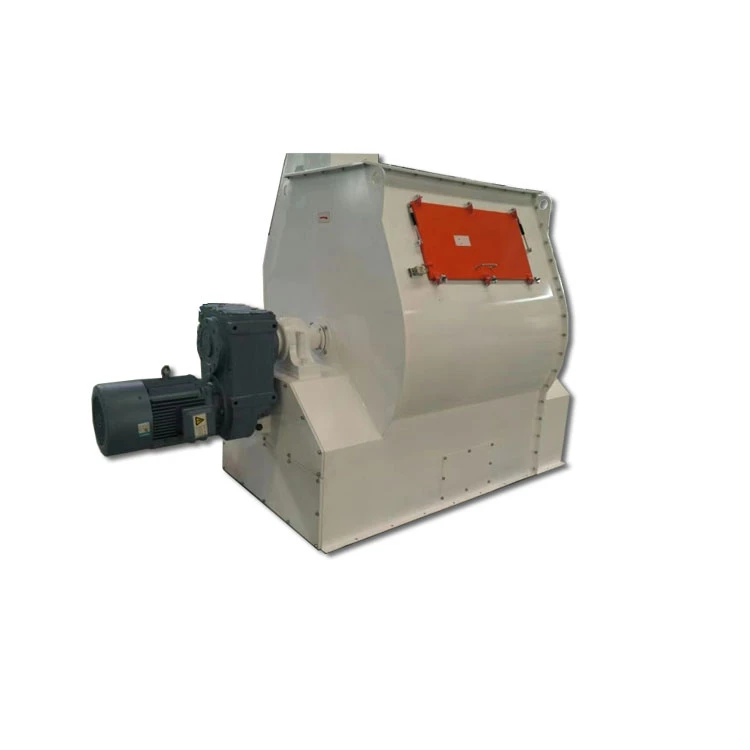
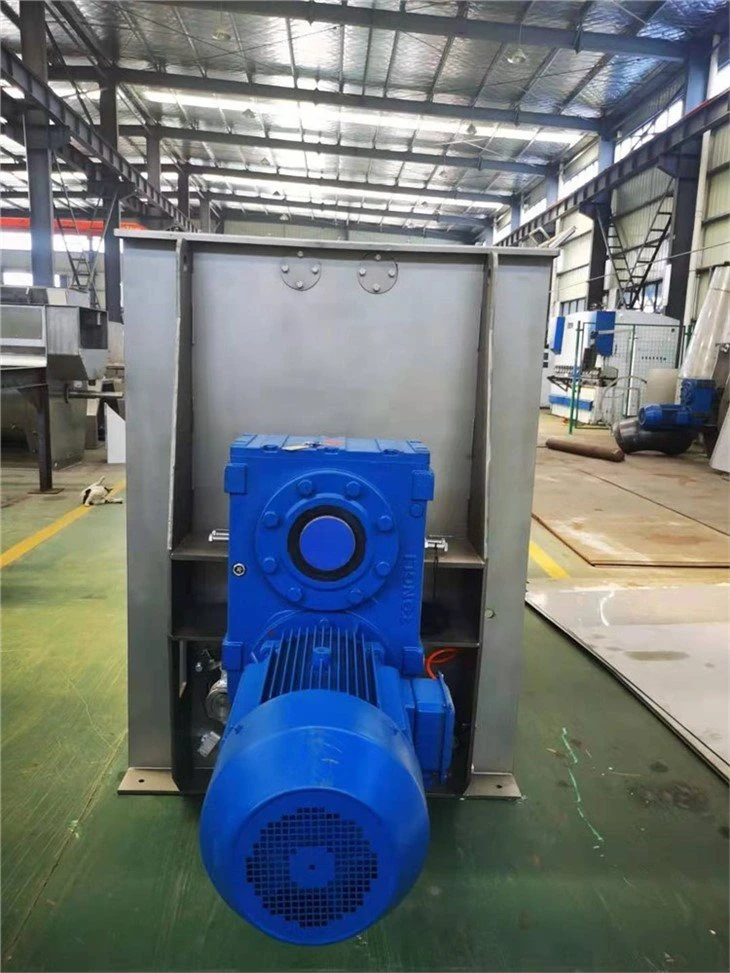
1. Mixer Design
The design of the mixer itself has a huge impact on its output. The length and diameter of the mixing chamber are crucial. A longer and wider chamber generally allows for more material to be processed at once. For example, a mixer with a larger diameter can hold more material in the cross - section, and a longer chamber gives more time for the mixing action to occur.
The type of mixing elements also matters. In our SJHS Paddle Mixer, the paddles are designed to efficiently move and blend the materials. The shape, size, and arrangement of these paddles are optimized to ensure a thorough mix while also allowing for a high flow rate of materials. If the mixing elements are not well - designed, they can cause blockages or inefficient mixing, which will reduce the output.
2. Material Characteristics
The properties of the materials being mixed are another major factor. The density, particle size, and moisture content of the materials can all affect how quickly they can be mixed and how much can be processed.
For instance, if you're mixing materials with a high density, they might flow more slowly through the mixer, reducing the output. Similarly, materials with large particle sizes may require more energy and time to mix properly. Moisture content can also play a role. If the materials are too wet, they might stick together and cause clogs in the mixer, while overly dry materials could create dust and be difficult to handle.
3. Motor Power
The power of the motor that drives the mixer is essential. A more powerful motor can rotate the mixing elements at a higher speed and with more torque. This allows the mixer to handle larger volumes of materials and move them through the mixing chamber more quickly.
However, it's not just about having a powerful motor. The motor also needs to be properly matched to the mixer's design and the materials being processed. If the motor is too weak, it won't be able to drive the mixer efficiently, and the output will be limited. On the other hand, an oversized motor can waste energy and may even cause excessive wear and tear on the mixer.
4. Feeding System
The feeding system that supplies materials to the mixer is also a key determinant of output. A well - designed feeding system can ensure a steady and consistent flow of materials into the mixer.
For example, a volumetric feeder can be used to control the amount of material being fed based on volume. This can be useful for materials with consistent densities. Gravimetric feeders, on the other hand, measure the weight of the materials being fed, which can be more accurate, especially for materials with variable densities.
If the feeding system is not working properly, it can lead to uneven feeding, which can disrupt the mixing process and reduce the output. For instance, if too much material is fed at once, the mixer may become overloaded, and if too little is fed, the mixer won't be operating at its full capacity.
How to Maximize the Output
Now that we know what affects the output, let's talk about how to maximize it.
First, choose the right mixer for your needs. Consider the type of materials you'll be mixing, the required output volume, and the available space in your facility. Our Horizontal Mixer comes in different sizes and configurations to meet a variety of requirements.
Second, maintain your mixer regularly. Keep the mixing elements clean and in good condition. Check the motor and other components for any signs of wear or damage. A well - maintained mixer will operate more efficiently and have a higher output.
Third, optimize your feeding system. Make sure the feeders are calibrated correctly and are providing a consistent flow of materials. You may also need to adjust the feeding rate based on the mixer's performance.
Real - World Examples
Let's look at some real - world examples to give you a better idea of the maximum output. In a large - scale feed production plant, a continuous horizontal mixer with a well - designed mixing chamber, a powerful motor, and an efficient feeding system can have an output of several tons per hour.
For example, if you're mixing chicken feed, with the right setup, you could be producing 5 - 10 tons of feed per hour. However, this can vary depending on the factors we discussed earlier. If the feed ingredients have a high moisture content or large particle sizes, the output might be lower.
Conclusion
So, in conclusion, the maximum output of a continuous horizontal mixer depends on a combination of factors, including mixer design, material characteristics, motor power, and the feeding system. By understanding these factors and taking steps to optimize them, you can get the most out of your mixer.
If you're in the market for a high - performance Horizontal Mixer, we've got you covered. Our mixers are designed with the latest technology and are built to last. Whether you're a small - scale producer or a large industrial operation, we can provide a solution that meets your needs.
If you're interested in learning more about our Horizontal Mixer or want to discuss your specific requirements, feel free to reach out. We're always happy to have a chat and help you find the perfect mixer for your business. Let's talk and see how we can boost your production!
References
- Smith, J. (2020). "Advances in Mixing Technology". Journal of Industrial Mixing.
- Johnson, A. (2021). "Optimizing Feed Mixing Processes". Feed Production Magazine.