

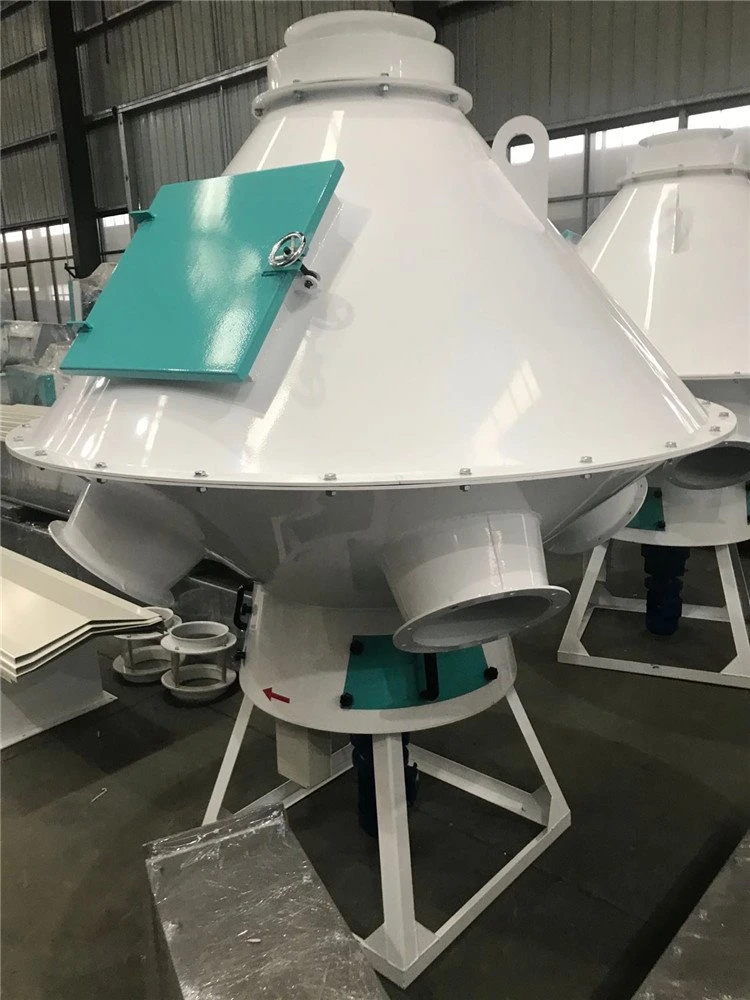
As a supplier of rotary distributors, I often get asked about the materials used in the housing of these essential pieces of equipment. The housing of a rotary distributor plays a crucial role in its performance, durability, and overall functionality. In this blog post, I will delve into the various materials commonly used for the housing of a rotary distributor, their properties, advantages, and considerations.
Cast Iron
Cast iron is a traditional and widely used material for the housing of rotary distributors. It is known for its excellent strength, durability, and resistance to wear and tear. Cast iron housings can withstand high pressures and heavy loads, making them suitable for industrial applications where reliability is paramount.
One of the key advantages of cast iron is its ability to dampen vibrations, which helps to reduce noise levels during operation. This makes it an ideal choice for environments where noise pollution is a concern. Additionally, cast iron has good heat retention properties, which can be beneficial in applications where maintaining a consistent temperature is important.
However, cast iron is relatively heavy, which can make installation and handling more challenging. It is also prone to corrosion if not properly protected, especially in humid or corrosive environments. To mitigate these issues, cast iron housings are often coated with a protective layer, such as paint or powder coating, to prevent rust and corrosion.
Stainless Steel
Stainless steel is another popular material for the housing of rotary distributors, particularly in applications where hygiene and corrosion resistance are critical. Stainless steel is known for its excellent resistance to rust, stains, and corrosion, making it suitable for use in food processing, pharmaceutical, and chemical industries.
One of the main advantages of stainless steel is its hygienic properties. It is easy to clean and sanitize, which helps to prevent the growth of bacteria and other contaminants. Stainless steel also has a smooth surface finish, which reduces the risk of product buildup and makes it easier to maintain the integrity of the distributor.
In addition to its corrosion resistance and hygienic properties, stainless steel is also relatively lightweight compared to cast iron. This makes it easier to install and handle, especially in applications where weight is a concern. However, stainless steel is generally more expensive than cast iron, which can be a factor to consider when selecting a material for the housing of a rotary distributor.
Aluminum
Aluminum is a lightweight and corrosion-resistant material that is increasingly being used for the housing of rotary distributors. It is known for its excellent strength-to-weight ratio, which makes it a popular choice for applications where weight reduction is important.
One of the key advantages of aluminum is its low density, which makes it significantly lighter than cast iron or stainless steel. This can result in lower energy consumption during operation, as well as reduced wear and tear on the distributor's components. Aluminum also has good thermal conductivity, which helps to dissipate heat quickly and prevent overheating.
In addition to its lightweight and thermal properties, aluminum is also highly resistant to corrosion. It forms a natural oxide layer on its surface, which provides a protective barrier against rust and other forms of corrosion. This makes it suitable for use in outdoor or harsh environments where exposure to moisture and other corrosive elements is likely.
However, aluminum is relatively soft compared to cast iron or stainless steel, which means it may be more prone to scratches and dents. It also has a lower melting point, which can limit its use in applications where high temperatures are involved. To overcome these limitations, aluminum housings are often reinforced with additional materials or treated with a hardening process to improve their strength and durability.
Plastic
Plastic is a versatile and cost-effective material that is commonly used for the housing of rotary distributors, particularly in low-cost or non-critical applications. Plastic housings are lightweight, easy to manufacture, and can be molded into complex shapes, which makes them suitable for a wide range of applications.
One of the main advantages of plastic is its low cost. It is generally less expensive than cast iron, stainless steel, or aluminum, which makes it an attractive option for budget-conscious customers. Plastic is also resistant to corrosion and chemicals, which makes it suitable for use in applications where exposure to these substances is likely.
In addition to its cost and corrosion resistance, plastic is also lightweight and easy to handle. This makes it ideal for applications where weight reduction is important, such as in portable or handheld distributors. Plastic housings can also be designed to be impact-resistant, which helps to protect the distributor's components from damage during operation.

However, plastic has some limitations compared to other materials. It is generally less strong and durable than cast iron, stainless steel, or aluminum, which means it may not be suitable for applications where high pressures or heavy loads are involved. Plastic also has a lower melting point, which can limit its use in applications where high temperatures are present.
Considerations When Selecting a Material
When selecting a material for the housing of a rotary distributor, there are several factors to consider, including the application requirements, budget, and environmental conditions. Here are some key considerations to keep in mind:
- Application Requirements: The type of application will determine the specific requirements for the housing of the rotary distributor. For example, if the distributor is used in a food processing plant, hygiene and corrosion resistance will be critical factors. On the other hand, if the distributor is used in a heavy industrial application, strength and durability will be more important.
- Budget: The cost of the material is an important consideration, especially for budget-conscious customers. Cast iron and plastic are generally the most cost-effective options, while stainless steel and aluminum are more expensive. However, it is important to balance the cost of the material with its performance and durability to ensure that you are getting the best value for your money.
- Environmental Conditions: The environmental conditions in which the rotary distributor will be used will also affect the choice of material. For example, if the distributor is used in a humid or corrosive environment, stainless steel or aluminum may be a better choice than cast iron or plastic. Similarly, if the distributor is used in a high-temperature environment, a material with a high melting point, such as cast iron or stainless steel, may be required.
- Maintenance Requirements: The maintenance requirements of the material should also be considered when selecting a housing for a rotary distributor. For example, cast iron requires regular maintenance to prevent rust and corrosion, while stainless steel is relatively low-maintenance. Plastic is also easy to clean and maintain, but it may require more frequent replacement due to its lower durability.
Conclusion
In conclusion, the material used for the housing of a rotary distributor plays a crucial role in its performance, durability, and overall functionality. Cast iron, stainless steel, aluminum, and plastic are all commonly used materials, each with its own advantages and considerations. When selecting a material for the housing of a rotary distributor, it is important to consider the application requirements, budget, environmental conditions, and maintenance requirements to ensure that you are choosing the best material for your needs.
As a supplier of rotary distributors, we offer a wide range of options to meet the diverse needs of our customers. Whether you are looking for a cast iron housing for heavy industrial applications, a stainless steel housing for hygienic environments, or an aluminum housing for lightweight and corrosion-resistant applications, we have the expertise and experience to provide you with the right solution.
If you are interested in learning more about our Rotary Distributor for Feed Machine, Rotary Grain Distributor, or TFPX Series Rotary Distributor, please do not hesitate to contact us. Our team of experts will be happy to assist you with your selection and provide you with more information about our products and services. We look forward to working with you to meet your rotary distributor needs.
References
- ASM Handbook, Volume 1: Properties and Selection: Irons, Steels, and High-Performance Alloys. ASM International, 1990.
- Metals Handbook Desk Edition, Third Edition. ASM International, 1997.
- Aluminum Association. Aluminum Design Manual, 2015.
- Plastics Engineering Handbook of the Society of Plastics Engineers, Fifth Edition. Hanser Publications, 2004.