

As a long - standing supplier of Rotary Distributors, I've received numerous inquiries about the materials used for the rotor in these essential pieces of equipment. In this blog, I'll delve into the details of what makes up the rotor in a rotary distributor, exploring different materials, their properties, and how they impact the performance of the distributor.
Understanding the Role of the Rotor in a Rotary Distributor
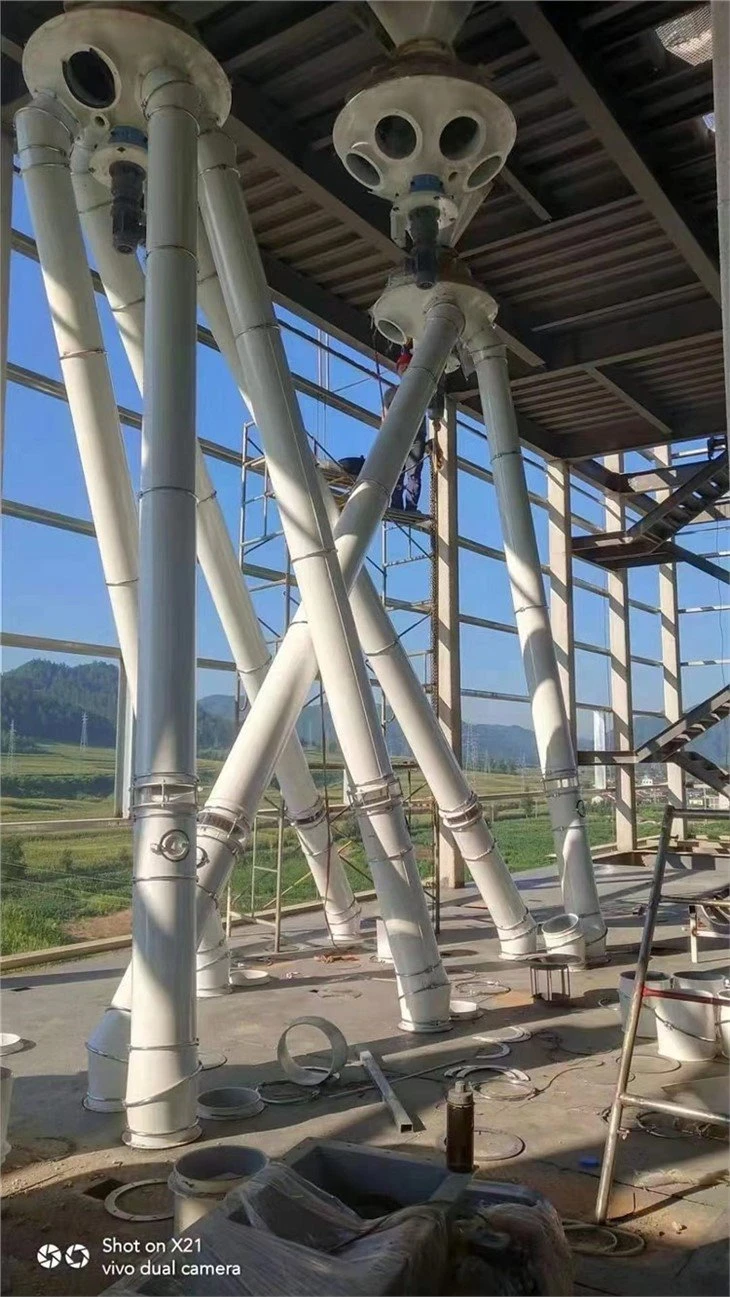
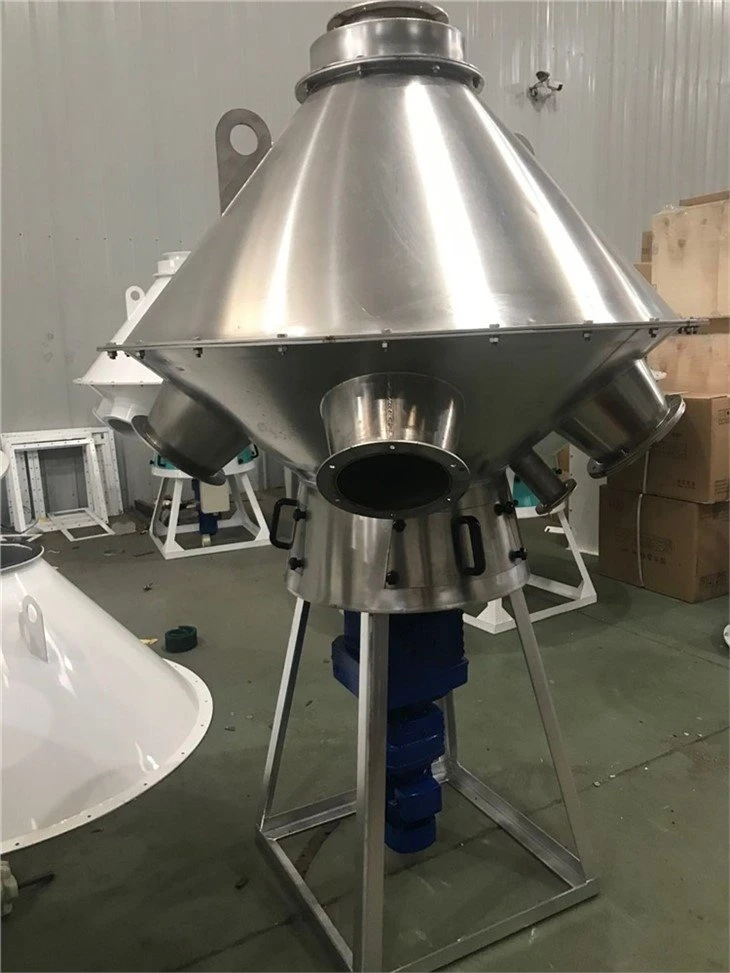
Before we discuss the materials, it's crucial to understand the role of the rotor. A rotary distributor is a device commonly used in various industries, such as agriculture, food processing, and chemical industries. Its primary function is to evenly distribute materials, like grains, powders, or granules, to multiple outlets. The rotor is the heart of the rotary distributor. It rotates inside the housing and scoops up the material from the inlet, then transports and discharges it through the appropriate outlet.
The rotor needs to be durable, resistant to wear and tear, and capable of handling different types of materials without deforming or breaking. The choice of material can significantly affect the efficiency, lifespan, and overall performance of the rotary distributor.
Common Materials for Rotor in Rotary Distributors
1. Stainless Steel
Stainless steel is one of the most popular materials for rotors in rotary distributors. It offers several advantages. First and foremost, it has excellent corrosion resistance. This is particularly important when dealing with materials that may contain moisture or chemicals. For example, in the feed industry, feed ingredients may have a certain level of humidity, and stainless - steel rotors can prevent rusting, which could contaminate the feed.
Stainless steel also has high strength and hardness. It can withstand the impact and friction generated during the rotation process. This means that the rotor can maintain its shape and performance over a long period, reducing the need for frequent replacements. Moreover, stainless steel is hygienic, making it suitable for applications in the food and pharmaceutical industries, where strict cleanliness standards are required.
If you're looking for a rotary distributor for the feed industry, you can check out our Rotary Distributor for Feed Machine, which often uses high - quality stainless - steel rotors to ensure the safety and quality of the feed.
2. Carbon Steel
Carbon steel is another commonly used material. It is known for its high strength and relatively low cost compared to stainless steel. Carbon steel rotors can handle heavy - duty applications, such as distributing large volumes of grains or bulk materials.
However, carbon steel is more prone to corrosion than stainless steel. To address this issue, carbon - steel rotors are often coated with a protective layer, such as paint or zinc plating. The coating acts as a barrier between the steel and the environment, preventing rust and extending the lifespan of the rotor.
Our TFPX Series Rotary Distributor may use carbon - steel rotors in some of its models, which are suitable for industrial applications where cost - effectiveness is a key consideration.
3. Polyurethane
Polyurethane is a synthetic polymer that has gained popularity in recent years for use in rotors. It has excellent abrasion resistance, which is beneficial when dealing with abrasive materials like sand or gravel. Polyurethane rotors can reduce the wear and tear caused by the constant rubbing of these materials, resulting in a longer service life.
Another advantage of polyurethane is its flexibility. It can absorb shock and vibration, which helps to reduce noise during the operation of the rotary distributor. This is especially important in environments where noise reduction is a concern, such as in urban areas or indoor facilities.
However, polyurethane may not be suitable for high - temperature applications as it can start to deform at relatively high temperatures. It is also more expensive than some other materials, which may limit its use in cost - sensitive projects.
4. Cast Iron
Cast iron is a traditional material that has been used in industrial equipment for a long time. It has high compressive strength and good wear resistance. Cast - iron rotors can handle heavy loads and are often used in large - scale rotary distributors.
One drawback of cast iron is its brittleness. It is more likely to crack under impact compared to steel or polyurethane. Additionally, cast iron is prone to corrosion, so it usually needs to be properly coated or treated to prevent rust.
Factors Influencing Material Selection
When choosing the material for the rotor in a rotary distributor, several factors need to be considered.
1. Type of Material to be Distributed
The nature of the material being distributed is a crucial factor. If the material is corrosive, such as certain chemicals, stainless steel or a corrosion - resistant coating on carbon steel may be the best choice. For abrasive materials, polyurethane or a hard - surfaced steel may be more suitable.
2. Operating Conditions
The operating environment, including temperature, humidity, and dust levels, also affects the material selection. High - temperature applications may require materials with good heat resistance, while high - humidity environments call for corrosion - resistant materials.
3. Cost
Cost is always an important consideration. While high - performance materials like stainless steel and polyurethane offer many advantages, they can be more expensive. In some cases, a more cost - effective option like carbon steel may be a better choice, especially for budget - conscious projects.
4. Required Lifespan
If a long service life is required, materials with high durability and wear resistance, such as stainless steel or polyurethane, should be considered. For short - term or less demanding applications, a more economical material like carbon steel may suffice.
Impact of Material on Rotary Distributor Performance
The material of the rotor has a direct impact on the performance of the rotary distributor. A high - quality material can improve the efficiency of the distributor. For example, a smooth - surfaced stainless - steel rotor can reduce friction, allowing the material to flow more easily and evenly through the distributor.
The durability of the rotor material also affects the reliability of the equipment. A rotor made of a wear - resistant material will require fewer replacements, reducing downtime and maintenance costs. This is especially important in industries where continuous operation is critical, such as in large - scale food production or grain storage facilities.
Our Rotary Distributors and Material Choices
At our company, we offer a wide range of rotary distributors, including Rotary Grain Distributor, each with carefully selected rotor materials based on the specific requirements of the application. We understand that different customers have different needs, and we are committed to providing the best solutions.
Whether you need a rotary distributor for a small - scale feed mill or a large - scale industrial project, we can help you choose the right rotor material to ensure optimal performance and long - term reliability.
Conclusion and Call to Action
In conclusion, the material of the rotor in a rotary distributor plays a vital role in its performance, durability, and cost - effectiveness. By understanding the properties of different materials and considering factors such as the type of material to be distributed, operating conditions, cost, and required lifespan, you can make an informed decision when choosing a rotary distributor.
If you're interested in our rotary distributors or have any questions about the rotor materials, we encourage you to get in touch with us. Our team of experts is ready to assist you in selecting the most suitable product for your needs. Contact us today to start a discussion about your specific requirements and explore the possibilities of our high - quality rotary distributors.
References
- "Materials Science and Engineering: An Introduction" by William D. Callister Jr. and David G. Rethwisch.
- Industry reports on rotary distributor technology and materials.
- Technical specifications and research from leading manufacturers of rotary distributors.