

The lifespan of a counterflow cooler is a crucial consideration for businesses in the feed pellet production industry. As a leading counterflow cooler supplier, I understand the importance of providing accurate information about the expected lifespan of these essential machines. In this blog post, I will delve into the factors that influence the lifespan of a counterflow cooler, offer insights on extending its service life, and highlight the significance of choosing a high - quality product.
Understanding Counterflow Coolers
Before discussing the lifespan, it's essential to understand what a counterflow cooler is and how it functions. A counterflow cooler, such as the Counterflow Feed Pellet Cooler, is a key piece of equipment in the feed pellet manufacturing process. It works on the principle of counter - current flow, where the hot feed pellets move downward while the cooling air moves upward. This design ensures efficient heat exchange, cooling the pellets from high temperatures (usually around 80 - 90°C) to a temperature suitable for storage and further processing, typically close to ambient temperature.
Factors Affecting the Lifespan of a Counterflow Cooler
1. Quality of Construction
The quality of materials and construction techniques used in manufacturing a counterflow cooler significantly impacts its lifespan. High - quality coolers, like the SKLN Counterflow Cooler, are built with robust materials such as high - grade stainless steel or heavy - duty carbon steel. These materials are resistant to corrosion, wear, and tear, which are common issues in the harsh operating environment of a feed pellet plant. For example, stainless steel is highly resistant to rust, which can weaken the structure of the cooler over time.
2. Operating Conditions
The operating conditions of a counterflow cooler play a vital role in determining its lifespan. Factors such as the temperature and humidity of the incoming pellets, the quality of the cooling air, and the frequency of operation all have an impact. If the cooler is constantly exposed to high - moisture pellets or dirty cooling air, it can lead to the accumulation of debris and moisture inside the unit. This can cause corrosion, clogging of the air ducts, and damage to the internal components, ultimately shortening the lifespan of the cooler.
3. Maintenance and Care
Regular maintenance is essential for extending the lifespan of a counterflow cooler. This includes routine cleaning of the internal and external surfaces, inspection of the fans, motors, and other components, and timely replacement of worn - out parts. For instance, the fan blades should be checked regularly for signs of wear and balanced to ensure efficient airflow. Failure to perform proper maintenance can lead to premature breakdowns and a significant reduction in the cooler's service life.
4. Load Capacity
Overloading a counterflow cooler can also have a negative impact on its lifespan. Each cooler is designed to handle a specific load capacity, and exceeding this limit can put excessive stress on the components. This can lead to increased wear and tear on the fans, motors, and conveyor belts, as well as reduced cooling efficiency. It's important to operate the cooler within its recommended load capacity to ensure optimal performance and longevity.
Typical Lifespan of a Counterflow Cooler
On average, a well - maintained counterflow cooler can have a lifespan of 10 - 15 years. However, this can vary depending on the factors mentioned above. High - quality coolers that are operated under ideal conditions and receive regular maintenance can last even longer, up to 20 years or more. On the other hand, coolers that are poorly constructed, exposed to harsh operating conditions, or not properly maintained may have a lifespan of only 5 - 7 years.
Extending the Lifespan of a Counterflow Cooler
1. Choose the Right Cooler
Selecting a high - quality counterflow cooler from a reputable supplier is the first step in ensuring a long lifespan. Look for coolers that are built with durable materials, have a proven track record of reliability, and come with a comprehensive warranty. Our SKLN Counterflow Cooler is designed with advanced technology and high - quality components to provide long - term performance.
2. Optimize Operating Conditions
To extend the lifespan of the cooler, it's important to optimize the operating conditions. This includes ensuring that the incoming pellets are within the recommended temperature and moisture range, using clean and dry cooling air, and operating the cooler within its load capacity. Installing air filters can help remove dust and debris from the cooling air, reducing the risk of clogging and corrosion.
3. Implement a Regular Maintenance Schedule
A regular maintenance schedule is crucial for keeping the counterflow cooler in good working condition. This should include daily visual inspections, weekly cleaning of the internal and external surfaces, monthly checks of the fans and motors, and annual maintenance by a qualified technician. By addressing any issues promptly, you can prevent minor problems from turning into major breakdowns.
4. Train Your Staff
Proper training of the operating staff is essential for the long - term performance of the counterflow cooler. Staff should be educated on the correct operating procedures, maintenance requirements, and safety precautions. This will ensure that the cooler is used correctly and that any potential issues are identified and addressed in a timely manner.
The Importance of a Long - Lifespan Counterflow Cooler
Investing in a counterflow cooler with a long lifespan offers several benefits for feed pellet producers. Firstly, it reduces the need for frequent replacements, which can be costly in terms of both the purchase price of the new cooler and the downtime associated with installation. Secondly, a long - lasting cooler provides consistent performance, ensuring that the feed pellets are cooled to the desired temperature and quality. This can improve the overall quality of the feed products and enhance customer satisfaction. Finally, a reliable cooler can contribute to the overall efficiency of the feed pellet production process, reducing energy consumption and increasing productivity.

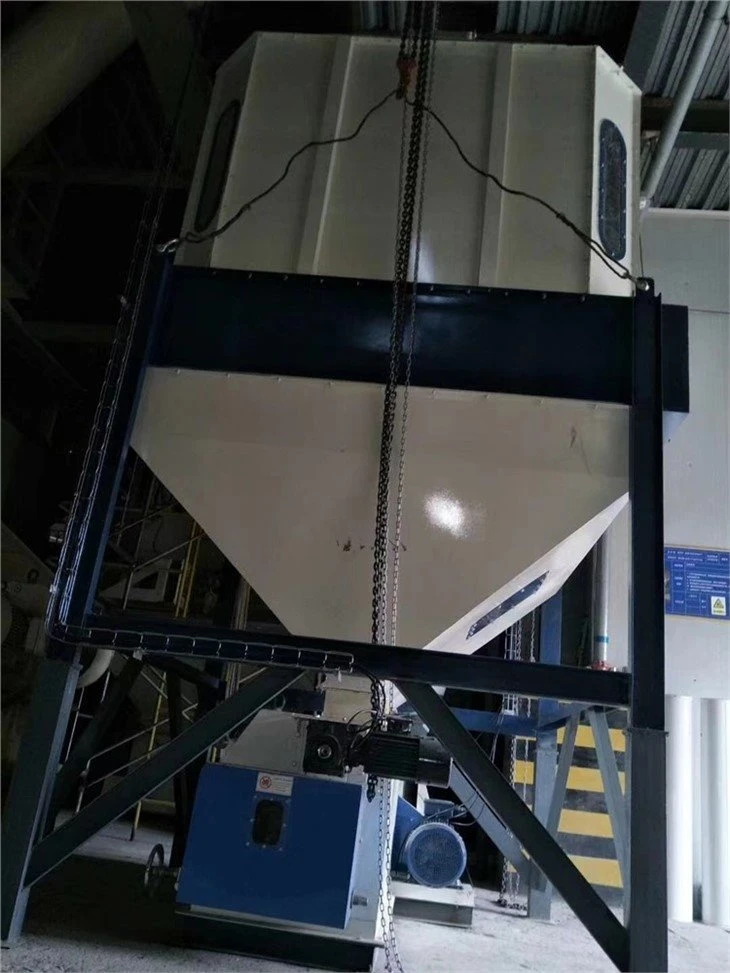
Contact Us for Your Counterflow Cooler Needs
If you are in the market for a high - quality counterflow cooler, look no further. As a trusted supplier, we offer a range of counterflow coolers, including the Counterflow Feed Pellet Cooler and the SKLN Counterflow Cooler, designed to meet the diverse needs of the feed pellet industry. Our coolers are built with the highest quality materials, advanced technology, and backed by our commitment to customer service.
Contact us today to discuss your specific requirements and to learn more about how our counterflow coolers can benefit your business. We look forward to working with you to provide the best cooling solutions for your feed pellet production.
References
- "Feed Pellet Production Technology" - A comprehensive guide on feed pellet manufacturing processes and equipment.
- Industry reports on the performance and lifespan of counterflow coolers in the feed pellet industry.