

Hey there! As a supplier of Feed Mill Crumblers, I often get asked about the installation height requirements for these machines. It's a crucial aspect that can significantly impact the performance and efficiency of the feed - milling process. So, let's dive right in and explore what you need to know.
Why Installation Height Matters
First off, you might be wondering why the installation height of a Feed Mill Crumbler is such a big deal. Well, the height affects the flow of the feed material through the machine. If the height isn't right, it can lead to issues like uneven crumbling, blockages, and reduced throughput.
When the feed pellets enter the crumbler from the right height, they fall at an optimal speed and angle into the crumbler's rollers. This ensures that the pellets are evenly broken down into the desired crumb size. If the height is too high, the pellets might fall too fast and bounce off the rollers without being properly processed. On the other hand, if the height is too low, the pellets might not have enough momentum to pass through the rollers smoothly, causing clogs.
Factors Influencing Installation Height
Type of Feed
The type of feed you're processing plays a major role in determining the installation height. For example, if you're using a Crumbler for Animal Feed to process hard, dense pellets, you'll need a different installation height compared to soft, fragile pellets.
Hard pellets require a bit more force to break down. A slightly higher installation height can give them the necessary momentum to hit the rollers with enough force. Soft pellets, however, are more delicate and can be easily damaged. So, a lower installation height might be more suitable to prevent over - crumbling.
Crumbler Design
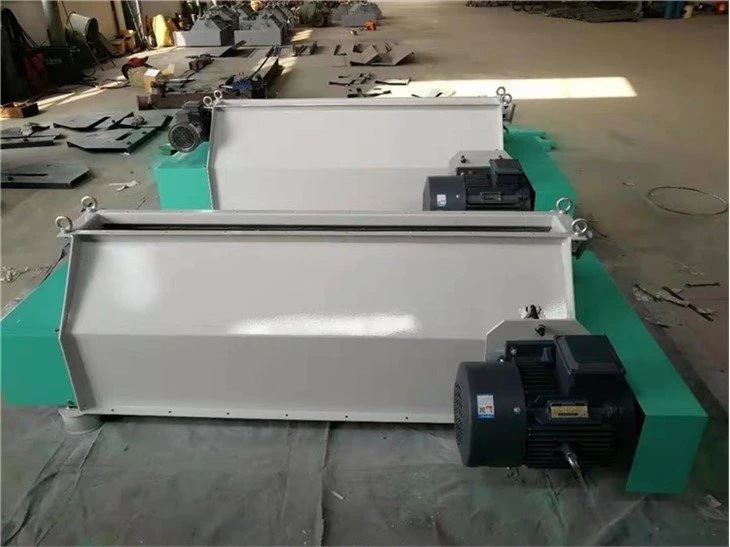
Different models of Pellet Crumbler Machine have different design features that affect the ideal installation height. Some crumblers have larger inlets or more powerful rollers, which can handle pellets falling from a greater height. Others might have more sensitive components that require a more precise height adjustment.
The spacing between the rollers and the angle of the infeed chute also matter. If the rollers are closely spaced, the pellets need to enter at a specific speed and angle to pass through without getting stuck. The infeed chute's angle can either help guide the pellets smoothly into the rollers or cause them to pile up if it's not set correctly.
Throughput Requirements
Your production goals also influence the installation height. If you need to process a large volume of feed quickly, you might need to adjust the height to optimize the flow rate. A higher installation height can increase the speed at which the pellets enter the crumbler, potentially increasing the throughput. But you have to be careful not to sacrifice the quality of the crumbling in the process.
General Installation Height Guidelines
While the exact installation height can vary depending on the factors mentioned above, here are some general guidelines:
For Small - Scale Operations
If you're running a small - scale feed mill, the installation height of the crumbler is usually between 1.5 to 2 meters above the floor. This height allows for a good balance between pellet momentum and control. It's easy to access for maintenance and adjustment, and it works well for most types of common animal feed pellets.
For Medium - Scale Operations
Medium - scale feed mills often have a higher throughput requirement. In these cases, the crumbler can be installed at a height of 2 to 2.5 meters. This extra height gives the pellets more speed as they enter the machine, which can help increase the processing rate. However, you'll need to monitor the crumbling quality closely to make sure the pellets are being broken down properly.
For Large - Scale Operations
Large - scale feed mills with high - volume production typically install the crumbler at a height of 2.5 to 3 meters or even higher. This is necessary to handle the large amount of feed being processed. The higher height ensures a continuous and efficient flow of pellets through the machine. But again, precise calibration is essential to avoid issues like uneven crumbling or blockages.
Installation and Adjustment Process
Installing a Feed Mill Crumbler at the right height isn't a one - time thing. It often requires some trial and error to get it just right. Here's a step - by - step process:
- Initial Placement: Set up the crumbler at a height within the general guidelines based on your operation scale. Make sure it's level and securely anchored to the floor or a support structure.
- Test Runs: Start with a small batch of feed pellets and observe how they enter the crumbler. Check for any signs of uneven crumbling, blockages, or abnormal noise.
- Height Adjustment: If you notice issues, make small adjustments to the installation height. You can either raise or lower the crumbler using adjustable feet or a hoist system.
- Repeat Testing: After each adjustment, run another test batch of feed. Keep making changes until you achieve the desired crumbling quality and throughput.
- Final Calibration: Once you're satisfied with the results, double - check all the connections and fasteners to ensure the crumbler is stable at the adjusted height.
Importance of Professional Installation
While it's possible to install a Feed Mill Crumbler on your own, I highly recommend getting professional help. A trained technician has the experience and knowledge to accurately assess your specific requirements and install the crumbler at the optimal height. They can also perform a detailed inspection and calibration to make sure the machine is working at its best.
Professional installers can also help you with any additional equipment or modifications that might be needed to improve the performance of the crumbler. They can ensure that all safety standards are met during the installation process.
Conclusion
The installation height of a Feed Mill Crumbler is a critical factor that can make or break your feed - milling operation. By considering the type of feed, crumbler design, and throughput requirements, you can determine the ideal height for your machine. Remember to follow the general guidelines but also be prepared to make adjustments based on your specific circumstances.
If you're in the market for a high - quality Poultry Feed Crumble Machine or any other type of feed mill crumbler, we're here to help. Our team of experts can assist you with choosing the right machine and ensuring its proper installation. Whether you're a small - scale farmer or a large - scale feed producer, we have the solutions to meet your needs. Contact us today to start a discussion about your feed - milling requirements and let's work together to optimize your production process.

References
- Feed Milling Technology Handbook
- Industry standards and best practices for feed mill equipment installation