

Hey there! As a supplier of sifting equipment, I often get asked about the throughput of this kind of machinery. So, I thought I'd sit down and write this blog to break it all down for you.
First off, let's talk about what throughput actually means in the context of sifting equipment. Throughput is basically the amount of material that a sifting machine can process within a specific period of time. It's usually measured in units like tons per hour (t/h) or kilograms per minute (kg/min). Understanding the throughput of sifting equipment is crucial because it directly impacts your production efficiency and overall profitability.
There are several factors that can affect the throughput of sifting equipment. One of the most significant factors is the particle size of the material being sifted. If you're dealing with large particles, the equipment can generally handle a higher throughput. On the other hand, if the particles are very fine, the throughput might be lower because the sifting process becomes more delicate and time - consuming.
Another important factor is the type of sifting equipment you're using. Different machines have different capabilities. For example, a rotary sifter might have a different throughput compared to a vibrating sifter. Rotary sifters are great for handling large volumes of materials and can achieve relatively high throughputs. They work by rotating the sieve, which helps to separate the particles based on size. Vibrating sifters, on the other hand, use vibration to move the material across the sieve. They are often used for more precise sifting and might have a lower throughput in some cases, but they can provide a higher level of accuracy.
The mesh size of the sieve also plays a big role in determining throughput. A larger mesh size allows more material to pass through quickly, resulting in a higher throughput. However, this might also mean that the sifting isn't as precise. A smaller mesh size, while providing a more accurate separation of particles, will slow down the throughput because less material can pass through at once.

Now, let's talk about how to calculate the throughput of sifting equipment. There's no one - size - fits - all formula, but there are some general guidelines. You need to consider the capacity of the equipment, the characteristics of the material, and the operating conditions. For example, if you know the maximum capacity of the sifting machine in terms of volume and you have an estimate of the density of the material, you can calculate an approximate throughput. But keep in mind that this is just an estimate, and actual throughput can vary depending on real - world factors like clogging of the sieve or uneven feeding of the material.
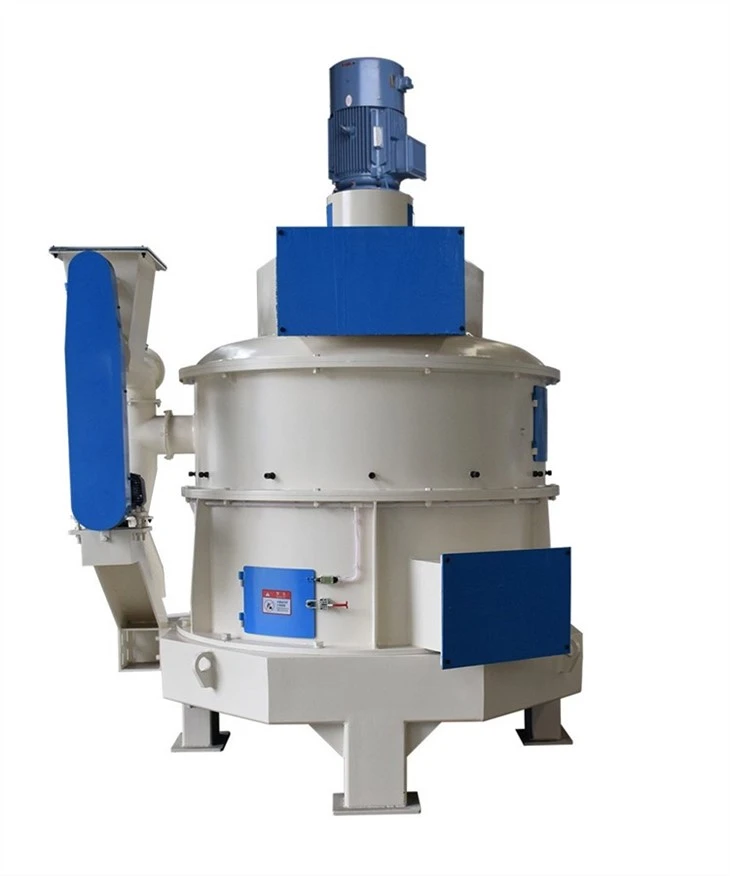
In our company, we offer a wide range of sifting equipment to meet different throughput requirements. If you're looking for a machine that can handle large volumes of materials, you might be interested in our SWFL Series Ultra - fine Pulverizer. This machine is designed to process materials efficiently and can achieve a relatively high throughput. It's suitable for industries that need to sift large amounts of materials on a regular basis.
If you need a more heavy - duty solution, our Industrial Hammer Mill might be the right choice. This machine is built to handle tough materials and can also provide a good throughput. It's often used in industries like mining and construction where large - scale sifting is required.
For those who need a machine for mixing and sifting operations, our Twin - shaft Paddle Mixer is a great option. It not only mixes the materials effectively but also has a decent throughput when it comes to sifting. It's commonly used in the feed industry and other sectors where a combination of mixing and sifting is necessary.
When it comes to choosing the right sifting equipment for your needs, it's important to consider your specific throughput requirements. You should also think about the long - term costs, maintenance requirements, and the overall reliability of the machine. Our team of experts is always here to help you make the right decision. We can provide you with detailed information about the throughput of our different machines and how they can fit into your production process.
If you're interested in purchasing sifting equipment or just want to learn more about the throughput and how it affects your operations, don't hesitate to reach out. We're always happy to have a chat and discuss your requirements. Whether you're a small - scale business or a large - scale industrial operation, we have the right solution for you.
In conclusion, understanding the throughput of sifting equipment is essential for anyone in the industry. By considering the factors that affect throughput, choosing the right equipment, and working with a reliable supplier, you can optimize your production process and increase your efficiency. So, if you're ready to take your sifting operations to the next level, get in touch with us today!
References
- Svarovsky, L. (1990). Solid - Liquid Separation. Butterworth - Heinemann.
- Perry, R. H., & Green, D. W. (1997). Perry's Chemical Engineers' Handbook. McGraw - Hill.