

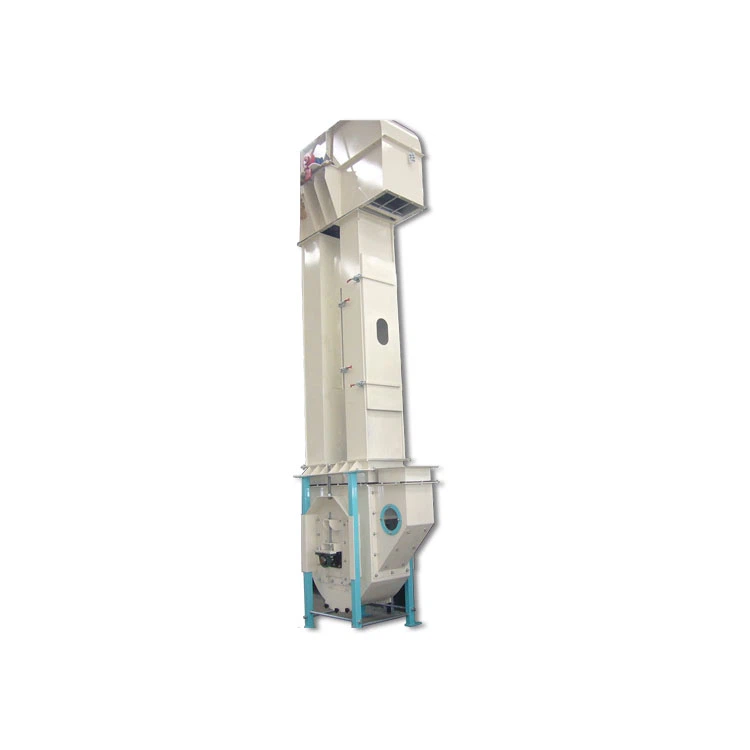
A bucket elevator is a crucial piece of equipment in various industries, including agriculture, food processing, and mining. It is designed to vertically transport bulk materials from one level to another efficiently. Among its many components, the belt plays a vital role in the overall functionality of the bucket elevator. As a leading bucket elevator supplier, we understand the significance of the belt and its impact on the performance of the equipment. In this blog post, we will explore the functions of the belt in a bucket elevator and highlight its importance in ensuring smooth and reliable operation.

1. Power Transmission
One of the primary functions of the belt in a bucket elevator is to transmit power from the drive unit to the buckets. The drive unit, typically a motor or an engine, generates the necessary torque to move the belt and the attached buckets. The belt acts as a flexible connector between the drive unit and the buckets, allowing for the efficient transfer of power. By using a belt, the bucket elevator can operate at different speeds and handle various loads, depending on the requirements of the application.
The power transmission capacity of the belt is determined by several factors, including its material, width, thickness, and tension. High - quality belts made from durable materials such as rubber or synthetic compounds can withstand high tensile forces and ensure reliable power transmission. The width and thickness of the belt are selected based on the size and weight of the buckets, as well as the load capacity of the elevator. Proper tensioning of the belt is also crucial to prevent slippage and ensure efficient power transfer.
2. Bucket Attachment
The belt serves as the platform for attaching the buckets in a bucket elevator. The buckets are typically mounted on the belt at regular intervals using brackets or other fastening methods. The secure attachment of the buckets to the belt is essential for the proper functioning of the elevator. It ensures that the buckets can carry and transport the bulk materials without spilling or falling off during the operation.
The design of the bucket - belt attachment system is carefully considered to optimize the performance of the elevator. The brackets or fasteners should be strong enough to withstand the forces exerted on the buckets during filling, lifting, and dumping. They should also allow for easy installation and removal of the buckets for maintenance and replacement purposes. Moreover, the spacing between the buckets on the belt is determined based on the flow rate and capacity requirements of the elevator.
3. Material Conveyance
The belt is an integral part of the material conveyance process in a bucket elevator. As the belt moves continuously, the buckets attached to it scoop up the bulk materials from the intake point, lift them vertically, and discharge them at the desired outlet point. The movement of the belt determines the speed and efficiency of the material conveyance.
The choice of belt material can significantly affect the conveyance of different types of materials. For example, belts with a smooth surface are suitable for conveying fine - grained materials, as they minimize friction and reduce the risk of material adhesion. On the other hand, belts with a textured or rough surface can provide better grip for conveying coarse or sticky materials. Additionally, the design of the buckets and their interaction with the belt also influence the material intake, lifting, and discharge processes.
4. Adaptability to Different Environments
The belt in a bucket elevator needs to be adaptable to different operating environments. In industrial settings, the elevator may be exposed to various factors such as temperature variations, moisture, dust, and chemical substances. The belt material should be selected to withstand these environmental conditions and maintain its performance over time.
For instance, in high - temperature environments, belts made from heat - resistant materials are required to prevent melting or degradation. In humid or wet conditions, belts with good water - resistance properties are necessary to avoid damage from corrosion or mold growth. In dusty environments, belts with anti - static properties can reduce the risk of dust accumulation and potential fire hazards. As a bucket elevator supplier, we offer a wide range of belts that are specifically designed to meet the requirements of different environments.
5. Maintenance and Longevity
The belt's design and quality also impact the maintenance requirements and longevity of the bucket elevator. A well - designed belt with proper tensioning and alignment can reduce the wear and tear on the elevator components, including the buckets, bearings, and drive unit. This, in turn, reduces the frequency of maintenance and replacement, resulting in lower operating costs.
Regular inspection and maintenance of the belt are essential to ensure its proper functioning. This includes checking for signs of wear, tear, cracks, or misalignment. Timely replacement of a worn - out belt can prevent breakdowns and downtime, which can be costly for industrial operations. Our company provides comprehensive maintenance services and high - quality replacement belts to ensure the long - term performance of our bucket elevators.
6. Compatibility with Different Bucket Elevator Models
As a bucket elevator supplier, we offer a range of elevator models, including the TDTG Bucket Elevator and the Flour Bucket Elevator. The belt in each model is designed to be compatible with the specific design and requirements of that elevator.
The size, shape, and speed of the elevator influence the belt specifications. For example, larger elevators may require wider and stronger belts to handle higher loads, while smaller elevators can use narrower belts. The speed of the elevator also affects the belt's flexibility and durability requirements. Our technical team can help customers select the most suitable belt for their specific bucket elevator model to ensure optimal performance.
Contact Us for Purchasing and Consultations
If you are in the market for a high - quality bucket elevator or need to replace the belt in your existing elevator, we are here to assist you. Our extensive experience as a bucket elevator supplier enables us to provide you with the best solutions tailored to your specific needs. Whether you require a TDTG Bucket Elevator for agricultural applications or a Flour Bucket Elevator for food processing, we have the expertise and products to meet your requirements.
We invite you to contact us for further information, detailed product specifications, and competitive pricing. Our dedicated sales team is ready to assist you with all your inquiries and guide you through the purchasing process. Let us help you find the perfect bucket elevator solution for your business.
References
- "Bulk Material Handling Equipment Handbook" by Andrew W. Rose
- "Conveyor Belt Engineering" by CEMA (Conveyor Equipment Manufacturers Association)
- Industry - specific technical journals and publications related to bucket elevator technology