

A rotary distributor is a crucial piece of equipment in various industries, especially in the feed and grain sectors. As a leading supplier of rotary distributors, I've encountered numerous inquiries about the function of a cap in a rotary distributor. In this blog, I'll delve into this topic, explaining the significance of the cap and its role in the overall operation of the distributor.
Understanding the Rotary Distributor
Before we discuss the function of the cap, it's essential to have a basic understanding of what a rotary distributor is. A rotary distributor is a device used to distribute materials, such as feed or grain, to multiple destinations. It consists of a rotating chamber with outlets that can be adjusted to direct the flow of materials. Rotary distributors are widely used in industries where the efficient and accurate distribution of bulk materials is required.
There are different types of rotary distributors available in the market, each designed to meet specific industry needs. For instance, the Rotary Distributor for Feed Machine is specifically tailored for the feed industry, ensuring the precise distribution of feed to different bins or troughs. The TFPX Series Rotary Distributor offers advanced features and high - performance capabilities, while the Rotary Grain Distributor is optimized for the grain handling process.
The Function of the Cap in a Rotary Distributor
1. Sealing and Containment
One of the primary functions of the cap in a rotary distributor is to provide a tight seal. When the distributor is in operation, materials are flowing through the rotating chamber and out of the outlets. The cap prevents the leakage of these materials, ensuring that they are directed only to the intended destinations. This is particularly important when dealing with fine - grained materials like feed powder or grain dust, as any leakage can lead to product loss, contamination of the surrounding environment, and potential safety hazards.
A well - sealed cap also helps to maintain the internal pressure within the distributor. This pressure is crucial for the proper flow of materials through the system. If the cap does not seal properly, the pressure can drop, leading to uneven distribution of materials and reduced efficiency of the distributor.
2. Protection of Internal Components
The cap acts as a protective barrier for the internal components of the rotary distributor. It shields the rotating chamber, the outlets, and other moving parts from external elements such as dust, moisture, and debris. In industrial environments, these external elements can cause significant damage to the distributor's components over time. For example, dust can accumulate on the moving parts, increasing friction and wear, while moisture can lead to corrosion.
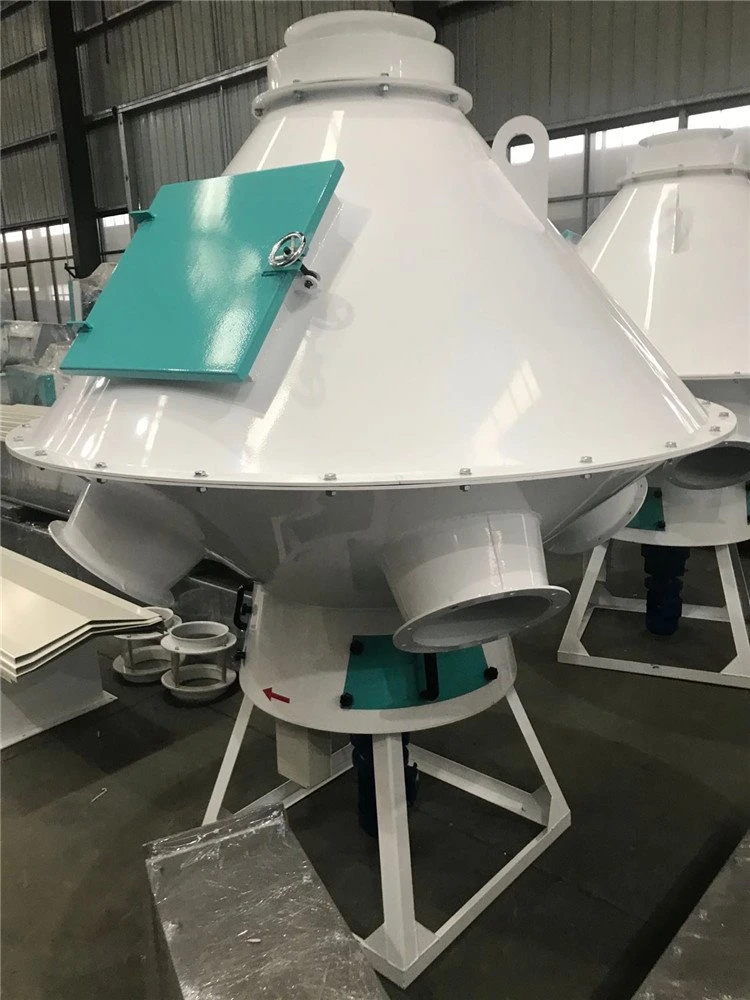

By protecting the internal components, the cap helps to extend the lifespan of the rotary distributor. This reduces the frequency of maintenance and replacement, resulting in cost savings for the end - user.
3. Control of Material Flow
The design of the cap can also influence the flow of materials within the rotary distributor. Some caps are designed with specific shapes or features that help to regulate the entry of materials into the rotating chamber. For example, a cap with a tapered opening can help to funnel the materials smoothly into the chamber, reducing the risk of clogging.
In addition, the cap can be adjusted or customized to control the rate of material flow. This is particularly useful in applications where precise control of the distribution process is required. For instance, in a feed production line, different types of feed may require different flow rates, and the cap can be adjusted accordingly.
4. Safety Enhancement
The cap contributes to the overall safety of the rotary distributor. It prevents operators from accidentally coming into contact with the rotating parts of the distributor, reducing the risk of injury. In addition, by containing the materials within the distributor, it minimizes the risk of dust explosions or other safety incidents that can occur when fine - grained materials are exposed to the environment.
Importance of a High - Quality Cap
Using a high - quality cap in a rotary distributor is of utmost importance. A poorly designed or low - quality cap can lead to a variety of problems. For example, a cap that does not seal properly can result in material leakage, which not only wastes product but also creates a messy and potentially dangerous work environment.
A high - quality cap is typically made from durable materials that can withstand the harsh conditions of industrial use. It is designed to fit precisely on the distributor, ensuring a tight seal and optimal performance. When choosing a rotary distributor, it's essential to consider the quality of the cap as well as the overall design and functionality of the distributor.
Conclusion and Call to Action
In conclusion, the cap in a rotary distributor plays a vital role in its operation. It provides sealing and containment, protects internal components, controls material flow, and enhances safety. As a supplier of rotary distributors, we understand the importance of a high - quality cap and ensure that all our products are equipped with the best - in - class caps.
If you are in the market for a rotary distributor and want to learn more about our products, or if you have any questions regarding the function of a cap in a rotary distributor, we encourage you to contact us for a detailed discussion. Our team of experts is ready to assist you in finding the right rotary distributor solution for your specific needs. Whether you are in the feed industry, the grain handling sector, or any other industry that requires efficient material distribution, we have the expertise and the products to meet your requirements.
References
- Industry standards for rotary distributors in the feed and grain sectors.
- Technical manuals of various rotary distributor models.
- Research on the impact of external elements on industrial equipment components.