

Hey there! I'm a supplier of belt dryers, and I'm super excited to share all about what a belt dryer is with you.
So, what exactly is a belt dryer? Well, in simple terms, a belt dryer is a type of industrial dryer that uses a continuous belt to convey materials through a drying chamber. It's a pretty nifty piece of equipment that's used in a whole bunch of industries for drying all sorts of stuff.
Let's start with how it works. The basic principle behind a belt dryer is pretty straightforward. You load the material you want to dry onto the belt at one end of the dryer. The belt then moves through the drying chamber, which is usually heated. As the material travels along the belt, hot air is blown over it, which removes the moisture. Once the material reaches the other end of the belt, it's all dried up and ready to be collected.
There are a few different types of belt dryers, and the design can vary depending on the specific application. Some belt dryers use a single belt, while others have multiple belts stacked on top of each other. This multi - belt design can be really useful because it allows for a longer drying time and better control over the drying process.
One of the big advantages of a belt dryer is its versatility. It can handle a wide range of materials, from powders and granules to pastes and even some types of solids. For example, in the food industry, belt dryers are used to dry fruits, vegetables, and grains. You can check out our Food Belt Dryer for more details on how it's specifically designed for food products.
In the feed industry, belt dryers are also a popular choice. They're great for drying animal feed ingredients, ensuring that the feed has the right moisture content for storage and consumption. If you're in the feed business, you might be interested in our Feed Belt Dryer.
Another plus is that belt dryers offer a high degree of control over the drying process. You can adjust things like the speed of the belt, the temperature of the hot air, and the humidity in the drying chamber. This means you can customize the drying conditions to suit the specific requirements of your material. For instance, if you're drying a heat - sensitive material, you can set a lower temperature and a slower belt speed to avoid damaging the product.
Belt dryers are also known for their efficiency. Since the material is continuously moving on the belt, there's a constant flow of fresh material being dried, which helps to maximize the throughput. And because the hot air is circulated evenly over the material, the drying is more uniform, which can result in a higher - quality end product.
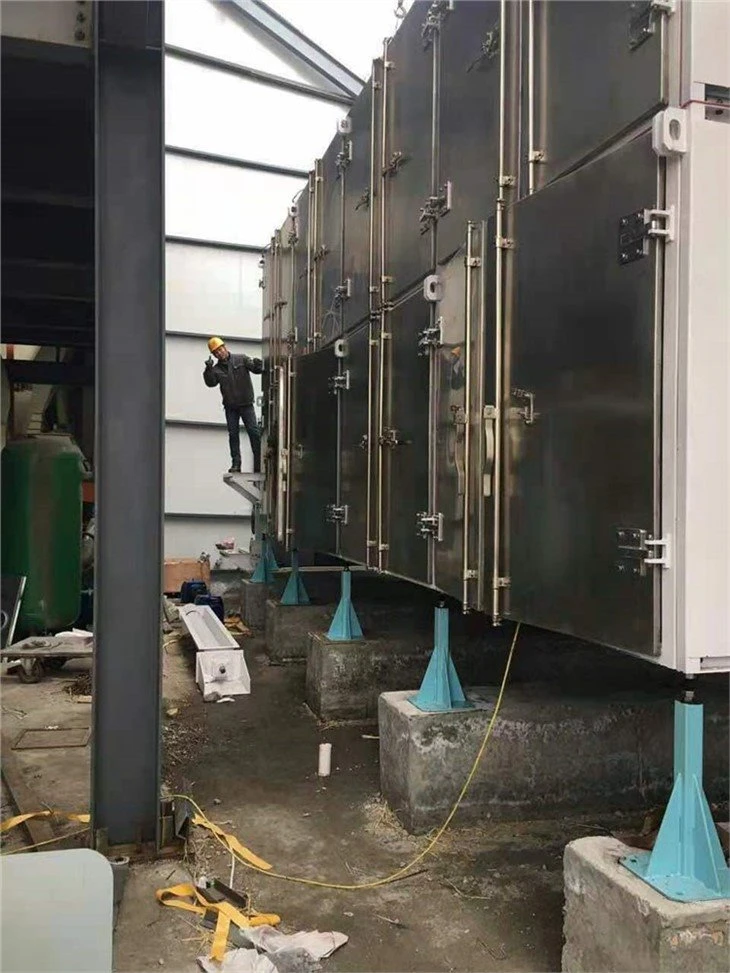
Now, let's talk about the components of a belt dryer. The main parts include the belt itself, which is usually made of a heat - resistant and durable material like stainless steel or a special type of fabric. There's also the drying chamber, which is insulated to keep the heat in and make the drying process more energy - efficient. The heating system can use different sources of energy, such as electricity, gas, or steam, depending on what's most cost - effective for your operation.
The air circulation system is another important part. It's responsible for blowing the hot air over the material on the belt. This system can be designed in different ways, but the goal is always to ensure that the air reaches all parts of the material evenly.
When it comes to maintenance, belt dryers are relatively easy to take care of. You need to regularly clean the belt to prevent any build - up of material, which can affect the drying performance. The heating elements and the air circulation system also need to be checked and serviced periodically to make sure they're working properly.
If you're thinking about getting a belt dryer for your business, there are a few things to consider. First, you need to think about the size of the dryer. You'll want to choose a size that can handle the volume of material you need to dry. You also need to consider the type of material you'll be drying and the specific drying requirements, such as the desired moisture content and the temperature sensitivity.
Another factor is the cost. Belt dryers can vary in price depending on their size, features, and the quality of the components. But in the long run, investing in a good - quality belt dryer can save you money by improving your productivity and the quality of your products.
So, whether you're in the food industry, the feed industry, or any other industry that needs to dry materials, a belt dryer could be a great solution for you. It offers a reliable, efficient, and versatile way to dry your products.
If you're interested in learning more about our belt dryers or if you want to discuss your specific drying needs, don't hesitate to reach out. We're here to help you find the perfect belt dryer for your business. Whether it's a small - scale operation or a large - scale industrial setup, we've got the expertise and the products to meet your requirements.

Let's have a chat and see how we can work together to improve your drying process and boost your business.
References:
- General knowledge of industrial drying equipment and belt dryers from industry experience.
- Information on food and feed belt dryers from industry research and product development at our company.