

The chemical industry is a complex and demanding sector that involves the production, processing, and handling of various chemicals. These chemicals can range from highly corrosive acids and alkalis to volatile solvents and reactive powders. The safe and efficient handling of these materials is crucial to ensure the smooth operation of chemical plants and the safety of workers. One of the key pieces of equipment used in the chemical industry for material handling is the drag conveyor. In this blog, we will explore whether a drag conveyor can be used in the chemical industry, its advantages and challenges, and how our company, as a drag conveyor supplier, can provide suitable solutions.
Suitability of Drag Conveyors in the Chemical Industry
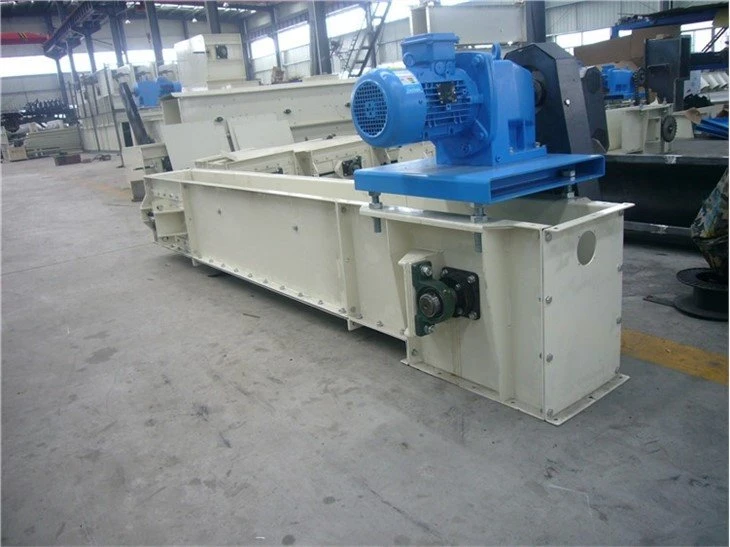
Drag conveyors are mechanical devices that use a chain or belt with attached flights to move bulk materials along a trough or tube. The design of drag conveyors makes them well - suited for the chemical industry for several reasons.
1. Handling a Variety of Chemicals
Drag conveyors can handle different types of chemicals, including powders, granules, and small lumps. For example, in the production of fertilizers, which often involve the handling of granular chemicals such as ammonium nitrate and potassium chloride, a drag conveyor can efficiently move these materials from one processing stage to another. The flights on the chain or belt can push the chemicals along the conveyor, ensuring a continuous flow.

2. Sealed Design for Safety
Many chemical substances are hazardous, and exposure to them can pose risks to human health and the environment. Drag conveyors can be designed with a sealed trough, which helps prevent the leakage of chemicals during transportation. This is particularly important when handling toxic or volatile chemicals. For instance, in the processing of chlorine, a highly toxic gas in its elemental form, a sealed drag conveyor can prevent the escape of any chlorine - containing powder or liquid that might be present in the production line.
3. Customizable for Different Environments
The chemical industry can have a wide range of operating conditions, including high temperatures, corrosive atmospheres, and explosive environments. Drag conveyors can be customized to meet these specific requirements. For high - temperature applications, such as in the production of certain ceramics or in high - energy chemical reactions, the conveyor can be made with heat - resistant materials. In corrosive environments, the conveyor can be coated with anti - corrosion materials or made from corrosion - resistant alloys like stainless steel.
Advantages of Using Drag Conveyors in the Chemical Industry
1. High Efficiency
Drag conveyors offer a high level of conveying efficiency. They can move large volumes of chemicals at a relatively high speed, which helps to keep the production process running smoothly. For example, in a large - scale chemical plant that produces millions of tons of chemicals annually, a high - efficiency drag conveyor can handle the continuous flow of raw materials and finished products, reducing downtime and increasing overall productivity.
2. Low Maintenance
The design of drag conveyors is relatively simple, with fewer moving parts compared to some other types of conveyors. This results in lower maintenance requirements. In the chemical industry, where any downtime can be extremely costly, a low - maintenance conveyor is highly desirable. The chains and flights of a drag conveyor are durable and can withstand continuous operation, requiring only periodic inspections and minor adjustments.
3. Flexibility in Layout
Drag conveyors can be installed in various configurations, including horizontal, inclined, and vertical. This allows them to fit easily into the existing layout of a chemical plant. For example, in a multi - story chemical processing facility, a vertical drag conveyor can be used to transfer chemicals between different floors, while a horizontal drag conveyor can be used for moving materials within a single floor.
Challenges of Using Drag Conveyors in the Chemical Industry
1. Corrosion
As mentioned earlier, the chemical industry often involves corrosive substances. Even with anti - corrosion coatings and materials, continuous exposure to some highly corrosive chemicals can gradually damage the conveyor. For example, hydrochloric acid, a common chemical in the industry, can corrode most metals if not properly protected. Specialized surface treatments and high - quality corrosion - resistant materials need to be carefully selected to ensure the long - term durability of the conveyor.
2. Abrasion
Many chemical powders and granules are abrasive. During the conveying process, the friction between the chemicals and the conveyor components, especially the flights and the trough, can cause abrasion. This can lead to wear and tear of the conveyor parts over time, reducing its efficiency and service life. To address this issue, wear - resistant liners can be installed on the trough, and the flights can be made from hard - wearing materials.
3. Chemical Reactivity
Some chemicals may react with the materials of the conveyor. For example, certain reactive metals in the conveyor may react with oxidizing chemicals, leading to chemical reactions that can damage the conveyor and even pose safety hazards. It is essential to understand the chemical properties of the materials being conveyed and select the appropriate conveyor materials to avoid such reactions.
Our Company's Solutions as a Drag Conveyor Supplier
As a leading drag conveyor supplier, we have extensive experience in providing solutions for the chemical industry.
1. Custom - Built Conveyors
We understand that each chemical plant has its unique requirements. Our team of engineers can work closely with customers to design and build custom - made drag conveyors. Whether it is a TGSSP Series Level Drag Conveyor for a horizontal transfer of a specific chemical or a Drag Chain Conveyor for a more complex layout, we can tailor the conveyor to meet the exact needs of the application.
2. High - Quality Materials
We use only the highest - quality materials in the manufacturing of our drag conveyors. For corrosive environments, we offer conveyors made from stainless steel, titanium, or other corrosion - resistant alloys. For abrasive applications, we use wear - resistant polymers and ceramics to line the trough and make the flights. This ensures that our conveyors can withstand the harsh conditions of the chemical industry and have a long service life.
3. Technical Support
We provide comprehensive technical support to our customers. Our team of experts can offer advice on the selection of the right conveyor, installation, operation, and maintenance. We also offer training programs for the plant operators to ensure that they can use the conveyor safely and efficiently.
Conclusion
In conclusion, drag conveyors can indeed be used in the chemical industry. They offer many advantages such as the ability to handle various chemicals, high efficiency, low maintenance, and flexibility in layout. However, they also face challenges such as corrosion, abrasion, and chemical reactivity. As a drag conveyor supplier, we are committed to providing high - quality, custom - built solutions to overcome these challenges and meet the specific needs of the chemical industry.
If you are in the chemical industry and are looking for a reliable drag conveyor for your material handling needs, we invite you to contact us for a detailed discussion. We are ready to work with you to find the best conveyor solution for your plant.
References
- Beck, A. R., & Schwarz, R. E. (Eds.). (2010). Chemical Process Equipment: Selection and Design. John Wiley & Sons.
- Mersmann, A., & Kind, M. (2008). Industrial Crystallization: Fundamentals and Applications. Wiley - VCH.