

High-viscosity materials present a unique set of challenges when it comes to the drying process. As a belt dryer supplier, I have witnessed firsthand the intricacies involved in effectively drying these types of materials. In this blog post, I will delve into the special requirements for drying high-viscosity materials in a belt dryer, exploring considerations ranging from material properties to equipment design and operation.
Understanding High-Viscosity Materials
Before discussing the drying requirements, it's essential to understand what characterizes high-viscosity materials. Viscosity refers to a fluid's resistance to flow. High-viscosity materials are thick and sticky, which makes them difficult to handle, spread, and dry compared to low-viscosity substances. Examples of high-viscosity materials that might be processed in a belt dryer include certain types of pastes, gels, and concentrated solutions, often found in food, pharmaceutical, and chemical industries.
Challenges in Drying High-Viscosity Materials
Adhesion to the Belt
One of the most significant challenges is the tendency of high-viscosity materials to adhere to the dryer belt. As these materials have a strong cohesive force, they can stick firmly to the belt surface during the drying process. This adhesion can lead to uneven drying, as the areas in direct contact with the belt may receive limited airflow, while the outer layers dry more quickly. Additionally, material buildup on the belt can cause mechanical problems, such as increased wear and tear on the belt drive system and reduced efficiency of the cleaning mechanisms.
Heat Transfer and Mass Transfer Limitations
The thick consistency of high-viscosity materials hinders both heat and mass transfer. Heat transfer is crucial for evaporating the moisture within the material, and mass transfer is responsible for removing the evaporated moisture from the material's surface. Due to their low permeability, high-viscosity materials impede the movement of heat and moisture, resulting in longer drying times and potentially uneven drying throughout the material.
Difficulties in Spreading
Achieving a uniform layer of high-viscosity material on the dryer belt is often challenging. Uneven spreading can lead to variations in drying rate across the belt, with some areas over-dried and others under-dried. This can compromise the quality of the final product and increase the risk of product loss.
Special Requirements for Drying High-Viscosity Materials
Belt Selection and Design
The choice of belt is critical when drying high-viscosity materials. A belt with a smooth and non-stick surface can help minimize material adhesion. PTFE (polytetrafluoroethylene) coated belts are often preferred due to their excellent non-stick properties. Additionally, belts with appropriate porosity can enhance air circulation, improving heat and mass transfer.
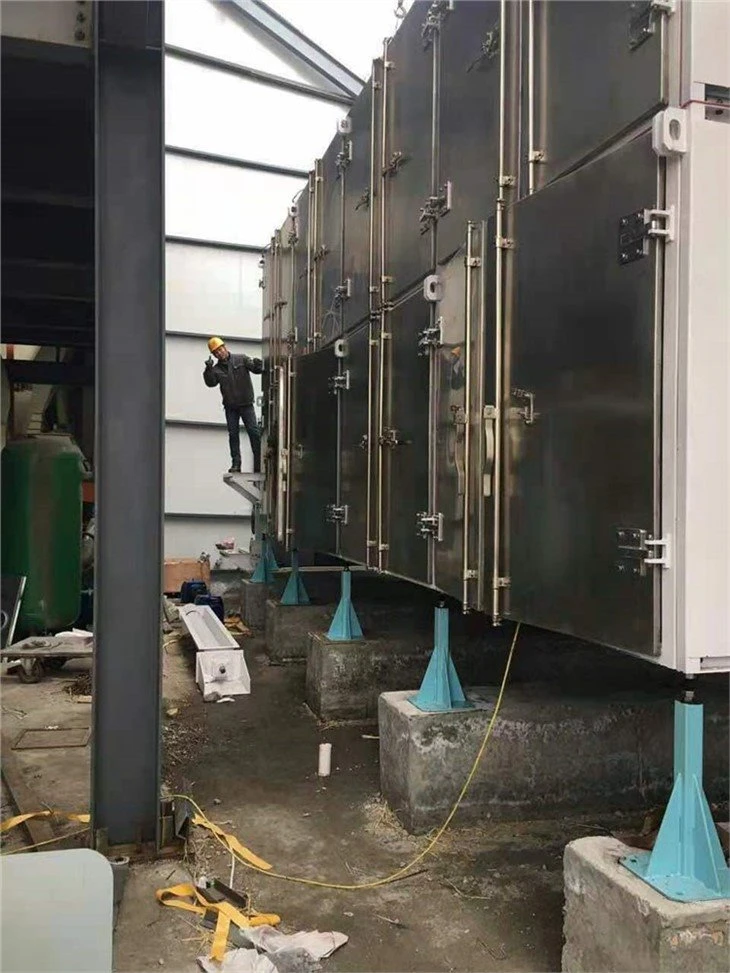

In terms of design, a belt with a high tensile strength is necessary to withstand the additional stress caused by the adhesion and weight of the high-viscosity material. The belt's width and speed also need to be carefully considered. A wider belt can provide more surface area for spreading the material, while an adjustable belt speed allows for optimization of the drying time based on the material's characteristics.
Pre-Treatment of the Material
Pre-treating the high-viscosity material before feeding it into the belt dryer can significantly improve the drying process. One common pre-treatment method is dilution, where the material is mixed with a suitable solvent or carrier to reduce its viscosity. This makes the material easier to spread and increases its permeability, facilitating heat and mass transfer.
Another option is mechanical pre-treatment, such as kneading or shearing, which can break down the internal structure of the material and reduce its viscosity. This can be achieved using specialized equipment like mixers or extruders.
Airflow and Temperature Control
Proper airflow and temperature control are essential for drying high-viscosity materials. The airflow should be designed to ensure uniform distribution across the belt surface, reaching all areas of the material. This can be achieved through the use of well-designed air ducts and diffusers.
In terms of temperature, a careful balance must be struck. Too high a temperature can cause the outer layer of the material to dry too quickly, forming a crust that inhibits further moisture evaporation from the interior. On the other hand, too low a temperature will result in long drying times and may not effectively remove the moisture. A multi-zone temperature control system can be beneficial, allowing for different temperature settings at various stages of the drying process.
Cleaning and Maintenance
Regular cleaning and maintenance of the belt dryer are crucial when dealing with high-viscosity materials. A dedicated cleaning system should be installed to remove any material residue from the belt surface after each drying cycle. This can include brushes, scrapers, or air jets.
In addition to belt cleaning, other components of the dryer, such as the air filters, heaters, and fans, also need to be regularly inspected and maintained. This helps ensure the efficient operation of the dryer and prolongs its lifespan.
Our Belt Dryer Solutions for High-Viscosity Materials
As a belt dryer supplier, we offer a range of solutions specifically designed to meet the special requirements of drying high-viscosity materials. Our Feed Belt Dryer and Food Belt Dryer models are equipped with features such as non-stick belts, advanced airflow systems, and adjustable temperature controls to ensure optimal drying performance.
We also provide comprehensive pre-treatment and post-treatment solutions to enhance the drying process. Our team of experts can work with you to understand your specific material characteristics and process requirements, and recommend the most suitable belt dryer configuration and operating parameters.
Contact Us for Procurement and Consultation
If you are dealing with high-viscosity materials and are looking for an efficient and reliable belt dryer solution, we are here to help. Whether you need detailed technical information, a customized solution, or simply want to discuss your drying requirements, our sales team is ready to assist you. Contact us today to start a productive conversation about your procurement needs and explore how our belt dryers can meet the challenges of drying high-viscosity materials.
References
- Mujumdar, A. S. (Ed.). (2014). Handbook of Industrial Drying. CRC Press.
- Geankoplis, C. J. (1993). Transport Processes and Unit Operations. Prentice Hall.