

When it comes to industrial mixing processes, selecting the right horizontal mixer is crucial for achieving optimal results. As a reputable Horizontal Mixer supplier, I understand the challenges faced by businesses in making this important decision. In this blog post, I will share valuable insights on how to choose the right horizontal mixer to meet your specific needs.
Understanding Your Mixing Requirements
The first step in choosing the right horizontal mixer is to clearly define your mixing requirements. Consider the following factors:
1. Material Characteristics
- Type of Materials: Determine whether you will be mixing dry powders, wet pastes, or a combination of both. Different materials have different flow properties, particle sizes, and densities, which can significantly affect the mixing process.
- Material Compatibility: Ensure that the mixer is made of materials that are compatible with the substances you will be mixing. For example, if you are working with corrosive materials, you will need a mixer with a corrosion-resistant lining.
2. Batch Size
- Production Volume: Consider the quantity of material you need to mix in each batch. This will help you determine the appropriate capacity of the mixer. If you have high production volumes, you may need a larger mixer with a higher throughput.
- Batch Consistency: If you require consistent batch-to-batch results, you need a mixer that can provide uniform mixing across the entire batch. Some mixers are better suited for small batches, while others are designed for large-scale production.
3. Mixing Time
- Process Efficiency: The mixing time required for your application will depend on the complexity of the materials and the desired level of homogeneity. A shorter mixing time can improve process efficiency and reduce production costs. Look for a mixer that can achieve the desired mixing results in a reasonable amount of time.
- Continuous vs. Batch Mixing: Decide whether you need a continuous mixer or a batch mixer. Continuous mixers are suitable for applications where a constant flow of mixed material is required, while batch mixers are ideal for small to medium-scale production with varying batch sizes.
Types of Horizontal Mixers
There are several types of horizontal mixers available on the market, each with its own unique features and advantages. Here are some common types:
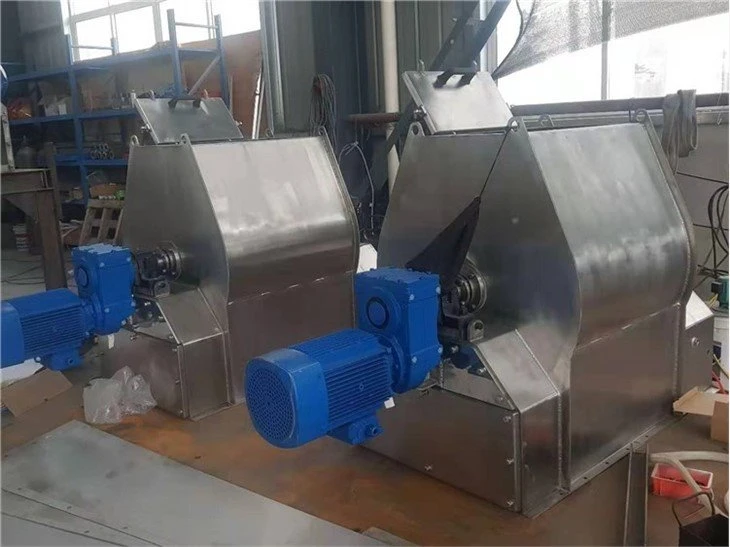

1. Ribbon Mixers
- Working Principle: Ribbon mixers consist of a horizontal trough with a helical ribbon agitator. The ribbon rotates within the trough, moving the material in a combination of radial and axial directions, resulting in thorough mixing.
- Advantages: Ribbon mixers are versatile and can handle a wide range of materials, including dry powders, granules, and pastes. They are relatively easy to clean and maintain, making them suitable for applications where frequent product changes are required.
- Limitations: Ribbon mixers may not be suitable for materials that are highly viscous or have a tendency to stick to the agitator. They also require a relatively long mixing time compared to some other types of mixers.
2. Paddle Mixers
- Working Principle: Paddle mixers feature a series of paddles attached to a rotating shaft. The paddles move the material in a gentle, tumbling motion, ensuring uniform mixing.
- Advantages: Paddle mixers are gentle on the materials being mixed, making them suitable for fragile or heat-sensitive products. They can also achieve high levels of homogeneity in a relatively short time.
- Limitations: Paddle mixers may not be as effective for mixing materials with a large particle size or a high density difference. They also require a larger footprint compared to some other types of mixers.
3. Twin-Shaft Mixers
- Working Principle: Twin-shaft mixers have two parallel shafts with intermeshing paddles or blades. The shafts rotate in opposite directions, creating a powerful mixing action that can quickly blend materials.
- Advantages: Twin-shaft mixers are highly efficient and can achieve rapid and thorough mixing. They are suitable for high-volume production and can handle a wide range of materials, including difficult-to-mix substances.
- Limitations: Twin-shaft mixers are more complex and expensive than some other types of mixers. They also require more maintenance and may have a higher energy consumption.
Evaluating Mixer Features
In addition to understanding your mixing requirements and the different types of horizontal mixers available, it is important to evaluate the features of each mixer to ensure it meets your specific needs. Here are some key features to consider:
1. Agitator Design
- Shape and Configuration: The shape and configuration of the agitator can have a significant impact on the mixing performance. Different agitator designs are suitable for different types of materials and mixing requirements. For example, a ribbon agitator is ideal for dry powders, while a paddle agitator is better for wet pastes.
- Speed and Direction: The speed and direction of the agitator can also affect the mixing process. Some mixers allow you to adjust the agitator speed to optimize the mixing performance for different materials.
2. Construction Materials
- Durability and Corrosion Resistance: The mixer should be made of high-quality materials that are durable and resistant to corrosion. Stainless steel is a popular choice for many applications due to its strength, hygiene, and corrosion resistance.
- Ease of Cleaning: The mixer should be easy to clean to prevent cross-contamination between batches. Look for mixers with smooth surfaces and removable parts that can be easily accessed for cleaning.
3. Control System
- Automation and Monitoring: A modern mixer should be equipped with a sophisticated control system that allows you to automate the mixing process and monitor key parameters such as temperature, pressure, and mixing time. This can improve process efficiency and ensure consistent product quality.
- User-Friendly Interface: The control system should have a user-friendly interface that is easy to operate and understand. This will reduce the learning curve for your operators and minimize the risk of errors.
Considering Additional Factors
In addition to the above factors, there are several other considerations that can influence your decision when choosing a horizontal mixer:
1. Supplier Reputation
- Experience and Expertise: Choose a supplier with a proven track record in the industry. An experienced supplier will have the knowledge and expertise to help you select the right mixer for your specific needs and provide reliable after-sales support.
- Customer Reviews and References: Read customer reviews and ask for references from the supplier to get an idea of their reputation and the quality of their products and services.
2. Cost
- Initial Investment: The cost of the mixer is an important consideration, but it should not be the only factor. Look for a mixer that offers a good balance between price and performance. Consider the long-term cost of ownership, including maintenance, energy consumption, and replacement parts.
- Return on Investment (ROI): Evaluate the potential ROI of the mixer based on its ability to improve process efficiency, reduce production costs, and enhance product quality. A higher initial investment in a high-quality mixer may result in significant savings in the long run.
3. Technical Support and Training
- Installation and Commissioning: Ensure that the supplier provides professional installation and commissioning services to ensure that the mixer is installed correctly and operates smoothly.
- Training and Support: The supplier should offer comprehensive training to your operators on how to use and maintain the mixer. They should also provide ongoing technical support to address any issues or questions that may arise.
Conclusion
Choosing the right horizontal mixer for your needs is a critical decision that can have a significant impact on your production process and product quality. By understanding your mixing requirements, evaluating the different types of mixers available, and considering the key features and additional factors, you can make an informed decision and select a mixer that meets your specific needs.
If you are in the market for a horizontal mixer, I encourage you to explore our range of Horizontal Mixers. As a leading supplier, we offer a wide selection of high-quality mixers that are designed to meet the diverse needs of our customers. Our experienced team of experts can help you choose the right mixer for your application and provide you with the support and service you need to ensure its success.
Contact us today to discuss your requirements and start the process of finding the perfect horizontal mixer for your business. We look forward to working with you!
References
- [Title of Book 1], Author 1, Publisher 1, Year 1
- [Title of Article 1], Author 2, Journal Name 1, Volume 1, Issue 1, Year 2
- [Title of Website 1], Website URL 1, Accessed Date 1