

Hey there! As a supplier of belt dryers, I've seen my fair share of issues that customers run into. Belt dryers are super useful machines, especially in industries like food and feed processing. You can check out our Food Belt Dryer and Feed Belt Dryer on our website. But just like any piece of equipment, they can have some common problems. Let's dive into what those are and how we can solve them.
1. Uneven Drying
One of the most common problems with belt dryers is uneven drying. You might find that some parts of the material are completely dry while others are still damp. This can be a real headache, especially when you're trying to get a consistent product.
Causes
- Airflow Issues: If the airflow in the dryer is not distributed evenly, some areas will receive more hot air than others. This could be due to blocked air ducts or improper fan settings.
- Belt Speed: If the belt is moving too fast, the material might not have enough time to dry properly in some areas. On the other hand, if it's moving too slow, it could lead to over - drying in other parts.
- Material Distribution: Uneven distribution of the material on the belt can also cause uneven drying. If the material is clumped together in some spots and sparse in others, the drying will be inconsistent.
Solutions
- Check and Clean Air Ducts: Regularly inspect the air ducts for any blockages. Make sure the fans are working properly and the airflow is evenly distributed. You might need to adjust the fan speed or the direction of the air vents.
- Optimize Belt Speed: Find the right balance for the belt speed based on the type of material you're drying. You can do some tests to determine the optimal speed that gives you consistent drying results.
- Improve Material Distribution: Use a spreader or a vibrating feeder to ensure that the material is evenly distributed on the belt. This will help the hot air reach all parts of the material evenly.
2. Belt Slippage
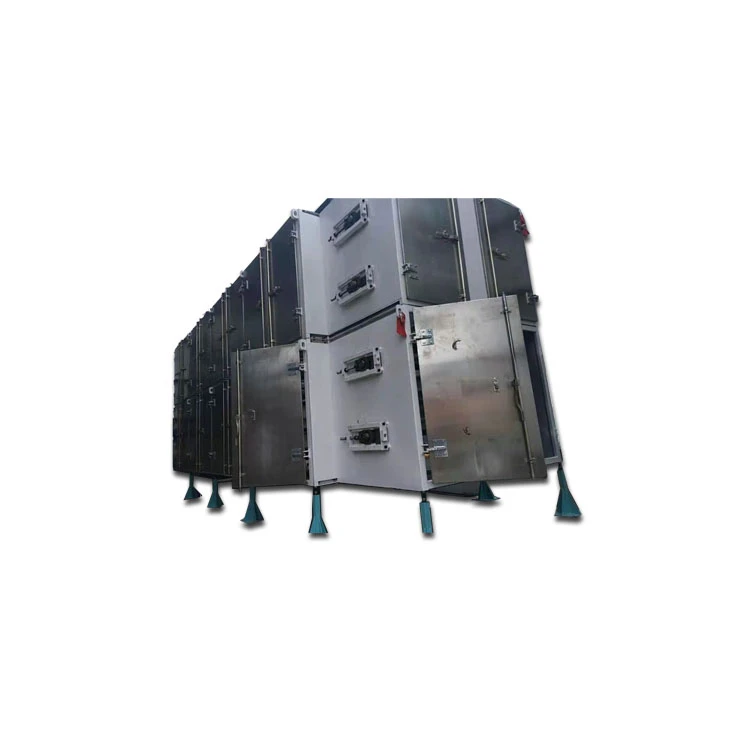
Belt slippage is another problem that can occur in belt dryers. When the belt slips, it can cause the dryer to malfunction and affect the quality of the dried product.

Causes
- Worn - Out Belt: Over time, the belt can wear out, especially if it's used frequently. A worn - out belt might not have enough grip on the rollers, causing it to slip.
- Loose Belt Tension: If the belt is not properly tensioned, it can easily slip. This could be due to incorrect installation or the belt stretching over time.
- Dirty Rollers: Dirt and debris on the rollers can reduce the friction between the belt and the rollers, leading to slippage.
Solutions
- Replace the Belt: If the belt is worn out, it's time to replace it. Make sure to choose a high - quality belt that is suitable for your dryer.
- Adjust Belt Tension: Check the belt tension regularly and adjust it as needed. Most dryers have a tensioning mechanism that allows you to tighten or loosen the belt.
- Clean the Rollers: Keep the rollers clean by regularly removing any dirt or debris. You can use a brush or a cleaning solution to clean them.
3. High Energy Consumption
Running a belt dryer can be energy - intensive, and high energy consumption can be a significant cost for businesses.
Causes
- Inefficient Heating System: If the heating system in the dryer is not efficient, it will use more energy to achieve the desired drying temperature. This could be due to old or malfunctioning heating elements.
- Poor Insulation: A lack of proper insulation in the dryer can cause heat to escape, making the dryer work harder and consume more energy.
- Over - Drying: Over - drying the material can also lead to higher energy consumption. If you're drying the material more than necessary, you're wasting energy.
Solutions
- Upgrade the Heating System: Consider upgrading to a more energy - efficient heating system. Newer models often have better insulation and more efficient heating elements, which can save you a lot of energy in the long run.
- Improve Insulation: Insulate the dryer properly to prevent heat loss. You can add insulation materials to the walls and doors of the dryer.
- Optimize Drying Parameters: Use moisture sensors to determine the optimal drying time and temperature for your material. This will help you avoid over - drying and reduce energy consumption.
4. Product Contamination
Product contamination is a serious issue, especially in the food and feed industries. It can lead to product recalls and damage to your brand reputation.
Causes
- Dirty Dryer Interior: If the interior of the dryer is not cleaned regularly, it can accumulate dirt, dust, and other contaminants. These contaminants can then get mixed with the product during the drying process.
- Cross - Contamination: If you're drying different types of materials in the same dryer without proper cleaning in between, there's a risk of cross - contamination.
- External Contaminants: External factors such as dust from the environment can also contaminate the product if the dryer is not properly sealed.
Solutions
- Regular Cleaning: Establish a regular cleaning schedule for the dryer. Clean the interior, including the belt, rollers, and air ducts, to remove any contaminants.
- Prevent Cross - Contamination: If you need to dry different materials, make sure to clean the dryer thoroughly between each batch. You might also consider using separate dryers for different types of materials.
- Seal the Dryer: Ensure that the dryer is properly sealed to prevent external contaminants from entering. Check the doors and seals regularly for any damage and replace them if necessary.
5. Low Drying Capacity
Sometimes, the dryer might not be able to handle the desired amount of material, resulting in low drying capacity.
Causes
- Small Belt Size: If the belt size is too small for the amount of material you're trying to dry, the dryer will have a low capacity.
- Inadequate Heating Power: If the heating system doesn't have enough power, it won't be able to dry the material quickly enough, reducing the drying capacity.
- Poor Air Circulation: Insufficient air circulation can also limit the drying capacity. If the hot air can't reach all parts of the material efficiently, the drying process will be slower.
Solutions
- Upgrade the Belt Size: Consider upgrading to a larger belt if your current one is too small. This will allow you to dry more material at once.
- Increase Heating Power: If possible, upgrade the heating system to increase the heating power. This will speed up the drying process and increase the capacity.
- Improve Air Circulation: Optimize the air circulation in the dryer by adjusting the fan speed and the air vents. You can also add additional fans if needed.
If you're facing any of these problems with your belt dryer or if you're looking to purchase a new one, don't hesitate to reach out. We're here to help you find the best solution for your drying needs. Whether it's a Food Belt Dryer or a Feed Belt Dryer, we've got you covered.
References
- Perry, R. H., & Green, D. W. (Eds.). (2007). Perry's Chemical Engineers' Handbook. McGraw - Hill.
- Singh, R. P., & Heldman, D. R. (2014). Introduction to Food Engineering. Academic Press.