

As a supplier of drag conveyors, I've witnessed firsthand the unique challenges presented by irregular - shaped materials. Drag conveyors are highly versatile pieces of equipment, but when it comes to handling materials that don't conform to standard shapes, a one - size - fits - all approach simply won't work. In this blog, I'll share some insights on how to optimize the design of a drag conveyor for such materials.
Understanding the Characteristics of Irregular - Shaped Materials
Before diving into design optimization, it's crucial to understand the nature of irregular - shaped materials. These materials can vary greatly in size, weight, density, and surface texture. For example, some irregular materials may be large and bulky, while others could be small but have jagged edges. Their non - uniform shapes can cause issues such as jamming, uneven distribution, and excessive wear on the conveyor components.
Size and Weight Variations
Irregular - shaped materials often come in a wide range of sizes and weights. Large, heavy pieces may require a more robust conveyor structure to support the load, while smaller pieces might be more prone to getting stuck in the conveyor chain or flight system. A thorough analysis of the material's size and weight distribution is essential. This can be achieved through sampling and weighing a representative batch of the materials.
Surface Texture and Friction
The surface texture of irregular materials can significantly impact the conveyor's performance. Materials with rough or sticky surfaces may increase friction, leading to higher power consumption and more rapid wear of the conveyor parts. On the other hand, smooth - surfaced materials may be more likely to slide or shift during transportation. Understanding the coefficient of friction between the material and the conveyor components is vital for designing an effective system.
Design Considerations for Drag Conveyors
Chain and Flight Design
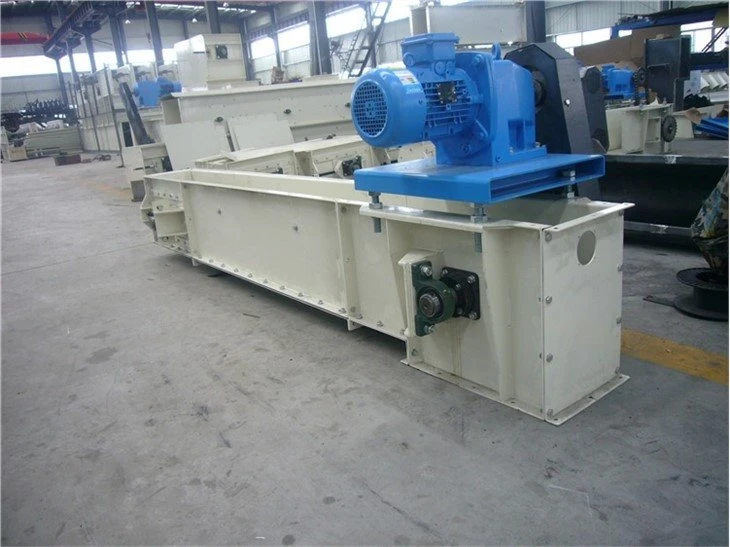
The chain and flight system is the heart of a drag conveyor. When dealing with irregular - shaped materials, the design of these components needs to be carefully thought out. For example, using a chain with a larger pitch can provide more space between the flights, reducing the likelihood of jamming. Additionally, the shape of the flights can be customized. Special - shaped flights, such as those with curved or angled edges, can better accommodate irregular materials and prevent them from getting caught.
The Drag Chain Conveyor we offer has a chain and flight design that can be adjusted according to the specific requirements of the irregular materials. Our engineers can analyze the material characteristics and recommend the most suitable chain pitch and flight shape to ensure smooth operation.
Conveyor Enclosure
An appropriate conveyor enclosure is essential for handling irregular - shaped materials. It can prevent the materials from spilling out, protect the conveyor components from external contaminants, and reduce dust emissions. The enclosure should be designed with easy access points for maintenance and inspection. For materials that generate a lot of dust, a sealed enclosure with dust collection ports can be installed.
Inlet and Outlet Design
The design of the inlet and outlet of the drag conveyor also plays a crucial role. At the inlet, a proper feeder system should be used to ensure a consistent and controlled flow of irregular materials into the conveyor. This can help prevent overloading and uneven distribution. At the outlet, the design should allow for easy discharge of the materials without causing blockages. For example, a sloped outlet or a vibrating discharge chute can be used to facilitate the flow of the materials.
Power and Drive System Optimization
The power and drive system of a drag conveyor need to be sized correctly to handle the additional challenges posed by irregular - shaped materials. Higher friction, jamming risks, and variable loads all require a more powerful drive system. However, over - sizing the drive system can lead to unnecessary energy consumption.
Calculating Power Requirements
To accurately calculate the power requirements, factors such as the material's weight, conveyor length, incline angle, and coefficient of friction need to be considered. Our engineering team uses advanced software and industry - standard formulas to calculate the power needed for the drag conveyor. This ensures that the drive system is sized optimally, balancing performance and energy efficiency.
Variable Frequency Drives
Installing a variable frequency drive (VFD) can provide greater control over the conveyor's speed. This is especially useful when dealing with irregular materials, as it allows for adjustment of the conveyor speed based on the material flow rate. For example, if the material flow becomes uneven, the VFD can slow down the conveyor to prevent jamming or speed it up to maintain productivity.
Maintenance and Monitoring
Regular maintenance and monitoring are essential for the long - term performance of a drag conveyor handling irregular - shaped materials.
Preventive Maintenance
Preventive maintenance schedules should be established to inspect and replace worn - out components before they cause major problems. This includes checking the chain tension, flight condition, and the integrity of the conveyor enclosure. Lubrication of the chain and other moving parts should be carried out at regular intervals to reduce friction and wear.
Monitoring Systems
Installing monitoring systems can help detect issues early. For example, sensors can be used to monitor the conveyor's speed, power consumption, and chain tension. Any abnormal readings can indicate potential problems, such as jamming or component failure. Our TGSSP Series Level Drag Conveyor can be equipped with advanced monitoring systems to ensure continuous and reliable operation.
Case Studies
Let's take a look at a real - world example. A customer in the recycling industry needed to transport irregular - shaped scrap metal pieces using a drag conveyor. The initial conveyor design was experiencing frequent jamming, which led to production downtime and increased maintenance costs.
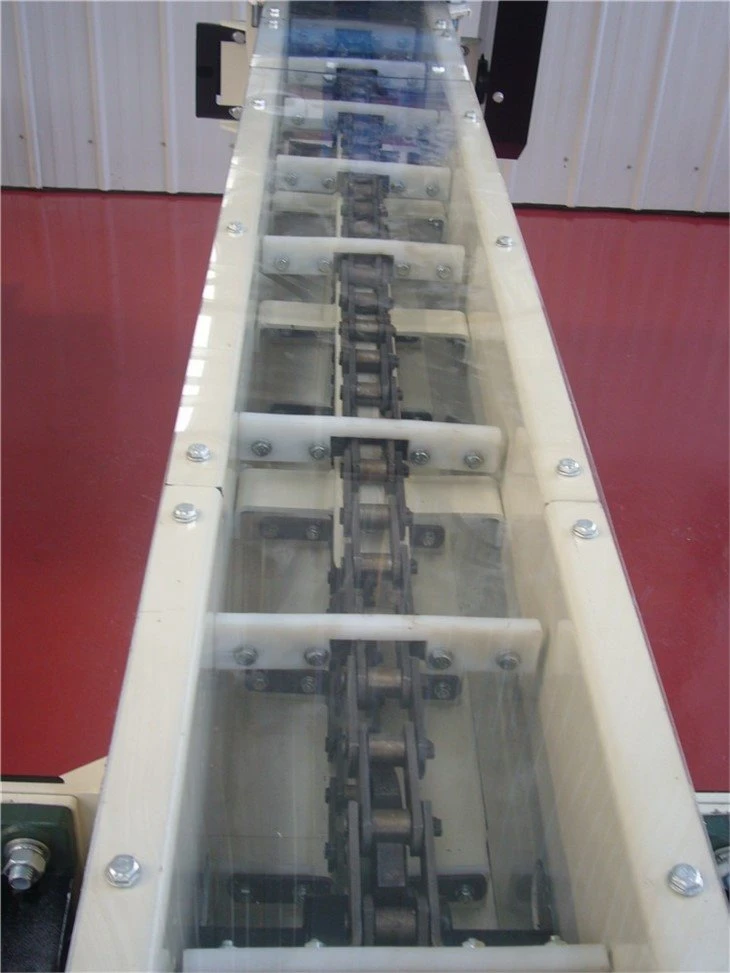
We analyzed the material characteristics and found that the chain pitch was too small and the flight shape was not suitable for the large, bulky scrap metal pieces. We redesigned the chain and flight system, increasing the chain pitch and using special - shaped flights with rounded edges. We also installed a sealed enclosure with dust collection ports to control the dust generated by the scrap metal.
After the optimization, the conveyor's performance improved significantly. The jamming issues were eliminated, and the production efficiency increased by 30%. The customer was very satisfied with the results and continued to work with us for future projects.
Conclusion
Optimizing the design of a drag conveyor for irregular - shaped materials requires a comprehensive understanding of the material characteristics, careful consideration of the conveyor components, and proper sizing of the power and drive system. By following the design principles and best practices outlined in this blog, you can ensure that your drag conveyor operates smoothly, efficiently, and reliably.
If you are facing challenges in handling irregular - shaped materials with your drag conveyor or are considering a new conveyor system, we are here to help. Our team of experienced engineers can provide customized solutions based on your specific requirements. Contact us for a detailed consultation and let's work together to optimize your drag conveyor design.
References
- Conveyor Equipment Manufacturers Association (CEMA) standards for conveyor design
- Industry research papers on handling irregular - shaped materials in conveyor systems
- Internal engineering reports and case studies from our company's projects