

As a supplier of rotary distributors, I understand the importance of proper storage for these crucial pieces of equipment. Rotary distributors are widely used in various industries, including agriculture for Rotary Grain Distributor, and in the feed processing sector for Rotary Distributor for Feed Machine, such as our TFPX Series Rotary Distributor. Proper storage not only extends the lifespan of the rotary distributor but also ensures its optimal performance when it is put back into use. In this blog, I will share some essential tips on how to store a rotary distributor properly.
1. Cleaning the Rotary Distributor
Before storing the rotary distributor, a thorough cleaning is necessary. This step helps prevent the accumulation of dirt, debris, and corrosive substances that can damage the equipment over time.
- Disassemble if Possible: If your rotary distributor allows for disassembly, carefully take it apart according to the manufacturer's instructions. This will give you better access to all the components for cleaning. For example, remove the blades, nozzles, and any other removable parts.
- Remove Residue: Use a suitable cleaning agent to remove any product residues from the internal and external surfaces of the distributor. For grain distributors, this might involve removing leftover grains, dust, and chaff. For feed machine distributors, clean away any feed particles. A brush or a low - pressure air gun can be used to dislodge stubborn debris.
- Rinse and Dry: After cleaning with the appropriate agent, rinse the components thoroughly with clean water. Make sure to dry all parts completely to prevent rust and corrosion. You can use a clean cloth to wipe them down and then let them air - dry in a well - ventilated area.
2. Lubrication
Proper lubrication is vital for the smooth operation of the rotary distributor and also helps protect the moving parts during storage.
- Identify Lubrication Points: Refer to the equipment's manual to identify all the lubrication points. These typically include bearings, gears, and shafts.
- Apply Lubricant: Use a high - quality lubricant recommended by the manufacturer. Apply the lubricant evenly to the identified points. For example, if it's a bearing, make sure the lubricant penetrates the bearing fully. This will prevent the parts from seizing up during storage and reduce the risk of corrosion.
- Seal Lubricated Parts: If possible, cover the lubricated parts with a protective seal or a plastic wrap to prevent the lubricant from drying out or being contaminated by dust and moisture.
3. Storage Environment
The storage environment plays a significant role in maintaining the integrity of the rotary distributor.
- Temperature and Humidity: Choose a storage area with a stable temperature and low humidity. High humidity can cause rust and corrosion, while extreme temperatures can affect the mechanical properties of the materials. Ideally, the temperature should be between 10°C and 30°C, and the relative humidity should be below 60%.
- Protection from Elements: Store the rotary distributor indoors, away from direct sunlight, rain, and snow. If indoor storage is not available, use a weather - resistant cover to protect the equipment. The cover should be made of a durable material that can withstand the elements.
- Ventilation: Ensure that the storage area is well - ventilated. Good ventilation helps prevent the buildup of moisture and reduces the risk of mold and mildew growth. It also helps dissipate any fumes from the cleaning agents or lubricants.
4. Component Protection
Special attention should be paid to protecting the critical components of the rotary distributor.
- Protect Blades and Cutting Edges: If the distributor has blades or cutting edges, cover them with a protective sheath or a soft material. This will prevent the edges from being damaged during storage, which could affect the performance of the distributor when it is used again.
- Secure Loose Parts: If there are any loose parts that were removed during cleaning, store them in a labeled container. This will ensure that all the parts are accounted for and can be easily reassembled when needed.
- Support Heavy Components: For larger rotary distributors, use proper supports to prevent deformation of the frame or other heavy components. Place the distributor on a flat, stable surface and use blocks or stands to support it evenly.
5. Inspection Before Storage
Before putting the rotary distributor into long - term storage, conduct a thorough inspection.

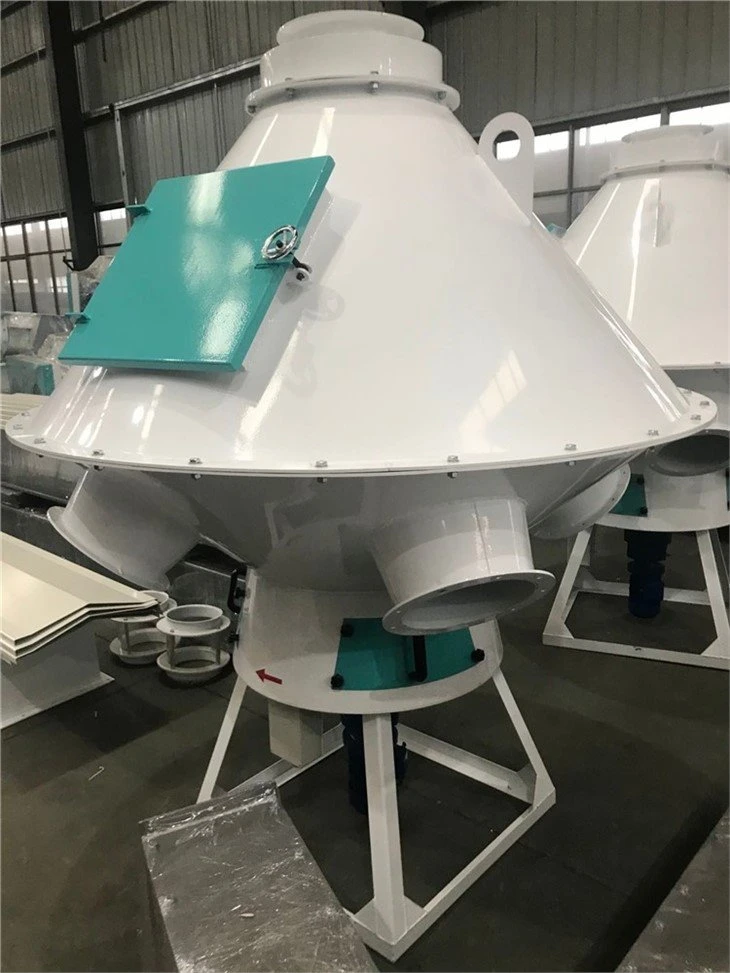
- Check for Damage: Look for any signs of wear, cracks, or damage to the components. If any issues are found, repair them before storage. For example, if a blade is chipped, it should be replaced or repaired to ensure proper operation in the future.
- Test Operation (if possible): If it's feasible, perform a short test operation of the distributor before storage. This will help you identify any potential problems with the electrical or mechanical systems. If there are any abnormal noises or malfunctions, address them immediately.
6. Documentation
Proper documentation is often overlooked but is essential for the long - term management of the rotary distributor.
- Maintenance Records: Keep a record of all the maintenance activities performed before storage, including cleaning, lubrication, and any repairs. This will provide a clear history of the equipment's condition and maintenance for future reference.
- Storage Date and Location: Note down the date when the distributor was stored and its exact storage location. This will make it easier to retrieve the equipment when needed and also help in keeping track of the storage duration.
7. Regular Checks During Storage
Even during storage, the rotary distributor should be checked regularly.
- Frequency of Checks: Plan to check the equipment at least once every three months. This will allow you to detect any potential issues early, such as rust formation or lubricant degradation.
- Inspection During Checks: During each check, visually inspect the distributor for any signs of damage, corrosion, or pest infestation. Check the lubrication levels and the condition of the protective covers. If any problems are found, take appropriate action immediately.
Conclusion
Proper storage of a rotary distributor is a multi - step process that requires attention to detail. By following these guidelines, you can ensure that your rotary distributor remains in good condition during storage and is ready for optimal performance when it is needed again. As a supplier, we are committed to providing high - quality rotary distributors like the TFPX Series Rotary Distributor and also offer support on their proper maintenance and storage. If you are interested in purchasing a rotary distributor or have any questions about storage or operation, please feel free to contact us for further discussion and procurement negotiations.
References
- Manufacturer's manuals of various rotary distributors.
- Industry standards for equipment storage and maintenance.