

When it comes to the efficient operation of a drag conveyor, one of the most critical decisions is selecting the appropriate chain pitch. As a seasoned drag conveyor supplier, I've witnessed firsthand how the right chain pitch can enhance performance, reduce maintenance costs, and extend the lifespan of the conveyor system. In this blog post, I'll share some insights on how to make this crucial selection.
Understanding Chain Pitch
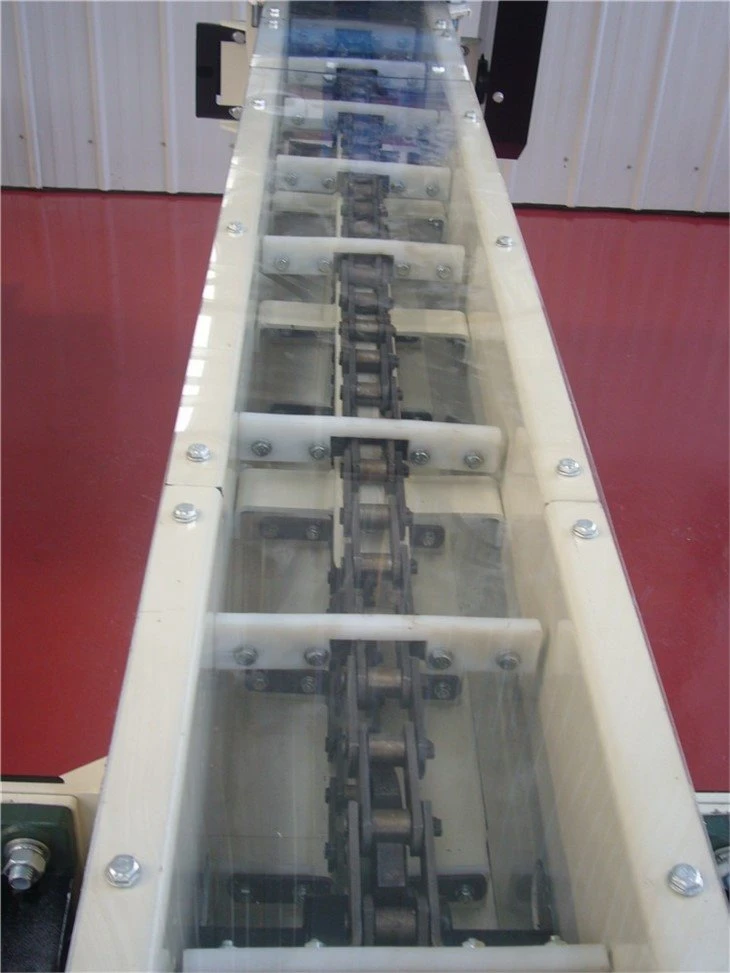
Before delving into the selection process, it's essential to understand what chain pitch is. Chain pitch refers to the distance between the centers of two consecutive rollers on a chain. It is typically measured in inches or millimeters. The pitch of the chain plays a significant role in determining the conveyor's capacity, speed, and overall performance.
Factors to Consider When Selecting Chain Pitch
1. Conveyor Capacity
The first factor to consider is the conveyor's capacity, which is the amount of material the conveyor needs to move within a given time frame. A larger chain pitch generally allows for a higher capacity as it can accommodate larger flights and carry more material. However, if the capacity requirements are relatively low, a smaller chain pitch may be sufficient and more cost - effective. For example, if you're conveying light - weight, fine materials in small quantities, a chain with a smaller pitch can efficiently handle the load without the need for a more robust and expensive larger - pitch chain.
2. Material Characteristics
The type of material being conveyed is another crucial factor. Different materials have different properties such as size, shape, density, and abrasiveness. For instance, if you're conveying large, bulky materials, a larger chain pitch is often necessary to ensure that the flights can handle the size of the material. On the other hand, when dealing with abrasive materials like sand or gravel, a larger chain pitch may be more suitable as it can provide more clearance between the chain and the conveyor housing, reducing wear and tear.
3. Conveyor Speed
The speed at which the conveyor operates also influences the chain pitch selection. Higher conveyor speeds may require a smaller chain pitch to maintain smooth and stable operation. A smaller pitch chain can better handle the dynamic forces associated with high - speed movement. Conversely, for slower - moving conveyors, a larger chain pitch can be used without sacrificing performance.
4. Conveyor Length and Layout
The length and layout of the conveyor system matter as well. Longer conveyors may benefit from a larger chain pitch to reduce the number of joints and minimize the risk of chain breakage. In addition, if the conveyor has multiple curves or inclines, the chain pitch needs to be carefully selected to ensure that the chain can navigate these sections smoothly. A smaller chain pitch may offer better flexibility in curved sections, while a larger pitch can provide more strength for inclined conveyors.
5. Maintenance and Cost
Maintenance requirements and cost are important considerations. Smaller chain pitches may require more frequent lubrication and inspection due to their finer components. Larger chain pitches, while generally more robust, can be more expensive to purchase initially. However, they may result in lower long - term maintenance costs due to their durability. As a drag conveyor supplier, I always recommend finding a balance between the upfront cost and the long - term maintenance expenses when selecting the chain pitch.
Case Studies
Let's look at a couple of real - world examples to illustrate the importance of chain pitch selection.
Case 1: Food Processing Industry
A food processing plant was using a drag conveyor to move small, granular food products. Initially, they had installed a conveyor with a relatively large chain pitch. However, they found that the chain was not handling the small particles efficiently, and there was a significant amount of spillage. After consulting with us, we recommended switching to a smaller chain pitch. This change allowed the flights to better capture and move the small particles, reducing spillage and improving the overall efficiency of the conveyor system.
Case 2: Mining Industry
In a mining operation, a conveyor was used to transport large chunks of ore over a long distance with multiple inclines. The original chain pitch was too small, and the chain was frequently breaking under the heavy load. We advised them to upgrade to a larger chain pitch. The new chain pitch provided the necessary strength to handle the large and heavy ore, and the conveyor's reliability improved significantly, resulting in reduced downtime and increased productivity.
Our Product Recommendations
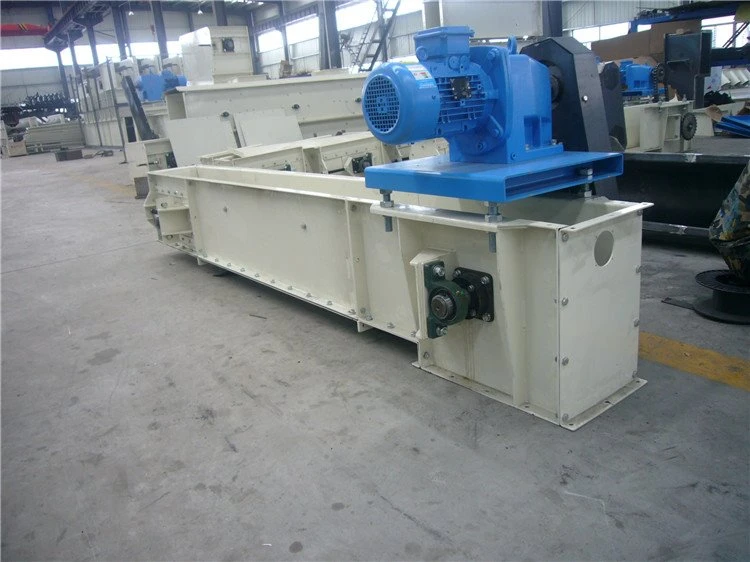
As a drag conveyor supplier, we offer a wide range of drag conveyors, including the TGSSP Series Level Drag Conveyor and the Drag Chain Conveyor. These conveyors are available with different chain pitches to meet various application requirements. Our experienced team can help you analyze your specific needs and select the most appropriate chain pitch for your drag conveyor.
Conclusion
Selecting the appropriate chain pitch for a drag conveyor is a complex but crucial decision. It requires a thorough understanding of the conveyor's capacity, the material being conveyed, the operating speed, the conveyor layout, and the maintenance and cost factors. By carefully considering these aspects and learning from real - world case studies, you can make an informed decision that will optimize the performance and longevity of your drag conveyor system.
If you're in the market for a drag conveyor or need assistance with chain pitch selection, don't hesitate to contact us. Our team of experts is ready to provide you with personalized advice and solutions to meet your specific requirements. We look forward to working with you to ensure that your drag conveyor operates at its best.
References
- Conveyor Equipment Manufacturers Association (CEMA) Handbook on Bulk Materials Handling
- "Chain Conveyors: Design, Operation, and Maintenance" by John Doe, published by Industrial Press Inc.
- Industry - specific whitepapers on drag conveyor technology from leading manufacturers and research institutions.