

As a supplier of counterflow coolers, I've seen firsthand the challenges that come with preventing the growth of microorganisms in these machines. Counterflow coolers are widely used in the feed industry to cool and dry feed pellets, but they can also provide a perfect breeding ground for bacteria, fungi, and other microorganisms if not properly maintained. In this blog post, I'll share some tips on how to prevent the growth of microorganisms in a counterflow cooler.
Understanding the Risk
Before we dive into the prevention strategies, it's important to understand why microorganisms can be a problem in a counterflow cooler. Feed pellets are typically produced at high temperatures and then cooled in the counterflow cooler. During this process, the cooler provides a moist and warm environment, which is ideal for the growth of microorganisms. If these microorganisms are not controlled, they can contaminate the feed pellets, leading to reduced feed quality and potential health risks for animals.
Regular Cleaning and Sanitization
One of the most effective ways to prevent the growth of microorganisms in a counterflow cooler is through regular cleaning and sanitization. This should be done on a routine basis, depending on the usage of the cooler. For example, if the cooler is used continuously, it may need to be cleaned daily.
- Disassembly and Inspection: Start by disassembling the cooler as much as possible. This allows you to access all the internal components, including the cooling chamber, ducts, and fans. Inspect these parts for any signs of dirt, debris, or buildup. Remove any visible contaminants using a brush or compressed air.
- Cleaning Agents: Use a suitable cleaning agent to clean the components. There are many commercial cleaning products available that are specifically designed for use in food and feed processing equipment. Make sure to follow the manufacturer's instructions when using these products.
- Sanitization: After cleaning, sanitize the components to kill any remaining microorganisms. You can use a sanitizing solution, such as a chlorine-based or quaternary ammonium compound. Apply the sanitizer according to the recommended concentration and contact time.
Proper Ventilation
Good ventilation is crucial for preventing the growth of microorganisms in a counterflow cooler. The cooler relies on the flow of air to cool and dry the feed pellets. If the ventilation is poor, the moisture can accumulate inside the cooler, creating a favorable environment for microorganisms.
- Airflow Design: Ensure that the counterflow cooler has a proper airflow design. The incoming air should be clean and dry, and it should be evenly distributed throughout the cooling chamber. This helps to remove the moisture from the feed pellets and prevent the formation of hotspots where microorganisms can thrive.
- Filter Maintenance: Regularly clean or replace the air filters in the cooler. The filters help to remove dust, dirt, and other particles from the incoming air. If the filters are clogged, the airflow will be restricted, and the efficiency of the cooler will be reduced.
Temperature and Humidity Control
Controlling the temperature and humidity inside the counterflow cooler is another important factor in preventing the growth of microorganisms. Microorganisms grow best in warm and moist conditions. By keeping the temperature and humidity within the optimal range, you can inhibit their growth.
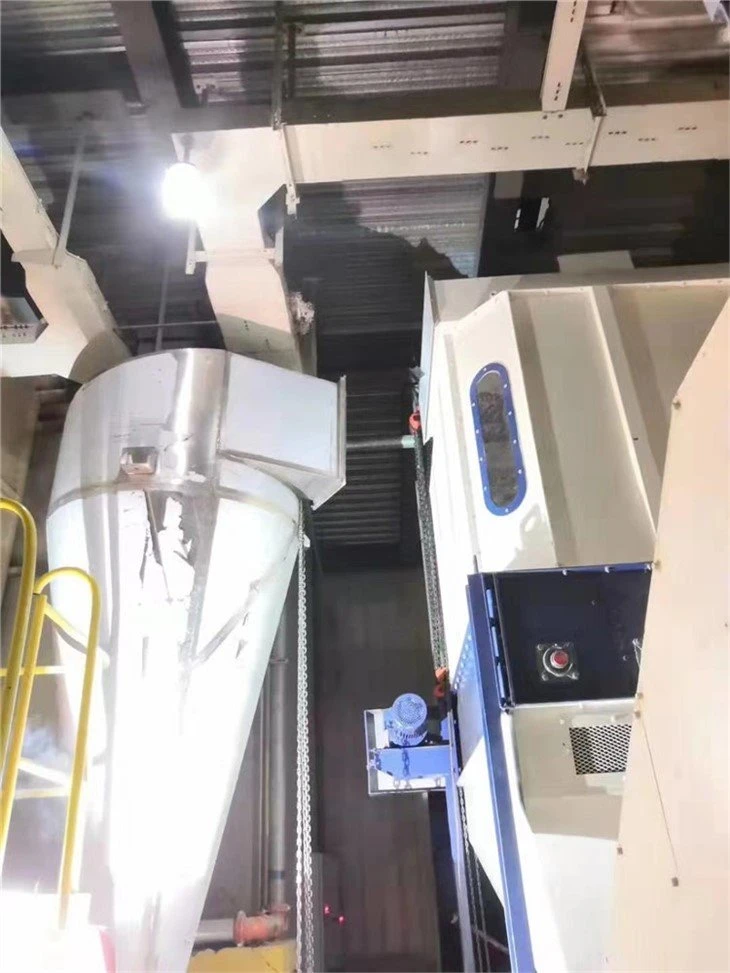

- Temperature Monitoring: Install temperature sensors inside the cooler to monitor the temperature of the incoming and outgoing air, as well as the temperature of the feed pellets. Adjust the cooling system as needed to maintain the desired temperature.
- Humidity Control: Use a dehumidifier or other humidity control devices to reduce the humidity inside the cooler. This can help to prevent the condensation of moisture on the surfaces of the cooler, which can lead to the growth of mold and bacteria.
Quality of Feed Pellets
The quality of the feed pellets entering the counterflow cooler can also affect the growth of microorganisms. If the feed pellets are already contaminated with microorganisms, they can spread throughout the cooler during the cooling process.
- Raw Material Quality: Ensure that the raw materials used to produce the feed pellets are of high quality. They should be free from mold, bacteria, and other contaminants. Store the raw materials in a clean and dry environment to prevent contamination.
- Pelletizing Process: Optimize the pelletizing process to ensure that the feed pellets are properly formed and have a low moisture content. This can help to reduce the risk of microbial growth during the cooling process.
Employee Training
Finally, it's important to train your employees on the proper procedures for operating and maintaining the counterflow cooler. They should understand the importance of preventing the growth of microorganisms and how to follow the cleaning, sanitization, and maintenance protocols.
- Regular Training Sessions: Conduct regular training sessions for your employees. These sessions can cover topics such as the operation of the counterflow cooler, the importance of hygiene, and the proper use of cleaning and sanitizing agents.
- Monitoring and Feedback: Monitor the employees' performance and provide feedback on their work. Encourage them to report any issues or concerns related to the cooler's operation or the growth of microorganisms.
Conclusion
Preventing the growth of microorganisms in a counterflow cooler is essential for maintaining the quality of the feed pellets and ensuring the health of the animals. By following these tips, including regular cleaning and sanitization, proper ventilation, temperature and humidity control, using high-quality feed pellets, and providing employee training, you can effectively reduce the risk of microbial contamination.
If you're interested in learning more about our Counterflow Feed Pellet Cooler or SKLN Counterflow Cooler, or if you have any questions about preventing the growth of microorganisms in your cooler, feel free to contact us. We're here to help you find the best solutions for your feed processing needs.
References
- "Feed Processing Technology" by the American Feed Industry Association
- "Microbiology of Food and Feed" by various authors in the field of food microbiology