

Hey there! I'm a supplier of Horizontal Mixers, and I've seen firsthand how crucial regular maintenance is for these machines. Today, I want to share some practical tips on how to maintain a horizontal mixer regularly.
First off, let's understand why maintenance is so important. A well - maintained horizontal mixer operates more efficiently, lasts longer, and produces better - blended products. It can save you a lot of money in the long run by preventing costly breakdowns.
Daily Maintenance Checks
Every day, before you start using the horizontal mixer, there are some quick checks you should do. First, visually inspect the mixer. Look for any obvious signs of damage, like cracks on the housing, loose bolts, or worn - out belts. A cracked housing can lead to material leakage, and loose bolts may cause parts to come loose during operation, which can be dangerous.
Check the lubrication levels. Most horizontal mixers have various moving parts like bearings that need proper lubrication. Low lubrication can cause excessive friction, leading to overheating and premature wear of the parts. Usually, there are oil level indicators on the machine, so just take a quick look to make sure the levels are where they should be.
Inspect the blades or paddles. These are the key components for mixing. If the blades are bent, damaged, or worn out, the mixing quality will be affected. You can gently run your hand (while the machine is off, of course) along the blades to feel for any irregularities. If there are signs of damage, you might need to replace them soon.
Next, test the electrical components. Make sure all the switches work properly, and there are no loose wires. Faulty electrical connections can cause malfunctions or, worse, electrical hazards. Check if the control panel is showing the correct readings and that the start - stop buttons are responsive.
Weekly Maintenance Routines
On a weekly basis, it's time for a more in - depth check. Clean the interior of the mixer thoroughly. After a week of operation, there will be residues of the materials being mixed inside the mixer. These residues can build up over time and affect the performance of the mixer. You can use a suitable cleaning agent and a brush to clean all the surfaces, especially the areas where the blades rotate.
Check the seals. Horizontal mixers often have seals to prevent material leakage. Look for any signs of wear or damage to the seals. If the seals are not in good condition, the mixer may start to leak, and this is not only a waste of materials but can also be a safety hazard. Replace the seals if necessary.
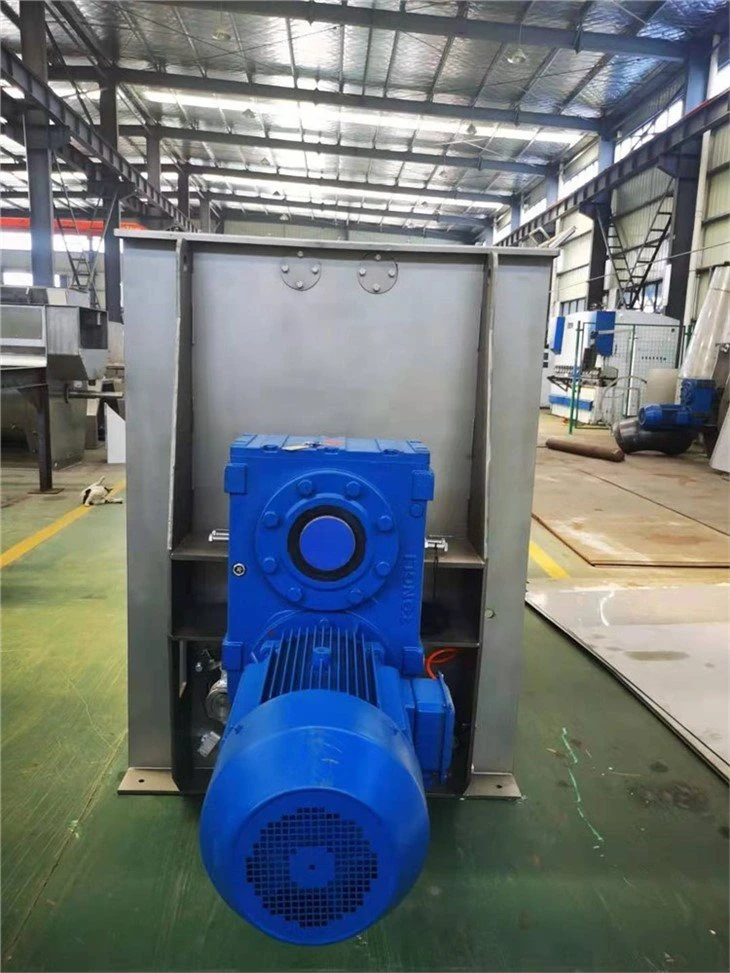
Inspect the drive system. This includes the belts, chains, and gears. Check the tension of the belts. If the belts are too loose, they may slip, and if they are too tight, they can cause excessive stress on the motor and other parts. You can adjust the belt tension according to the manufacturer's instructions. For chains, look for any signs of rust or wear, and lubricate them if needed. Check the gears for proper meshing and that there are no signs of tooth wear or damage.
Monthly Maintenance Tasks
Monthly maintenance is a bit more comprehensive. One important task is to calibrate the mixer. Over time, the mixing performance may change, and calibration can ensure that the mixer is still operating at its optimal level. This usually involves adjusting the speed, timing, and other parameters according to the specific requirements of your mixing process. It might be a good idea to refer to the user manual or consult a professional if you're not sure how to do it.
Check the motor. The motor is the heart of the horizontal mixer. Look for any signs of overheating, unusual noises, or vibration. If you notice any of these, it could indicate a problem with the motor. You can also check the motor's electrical insulation resistance with a suitable tester. If the resistance is too low, it may be a sign of a fault in the motor windings.
Lubricate all the moving parts thoroughly. Different parts may require different types of lubricants, so make sure you use the right ones. This will reduce friction and extend the lifespan of the parts.
Inspect the bearings again. Bearings are critical for the smooth operation of the mixer. Over time, they can wear out, and their failure can lead to serious problems. You can use a vibration analyzer or just listen for any unusual noises to detect early signs of bearing failure. Replace the bearings if they show signs of excessive wear.
Quarterly and Annual Maintenance
Quarterly, it's a good time to have a full - scale inspection by a professional technician. They can use specialized tools and equipment to check for any hidden problems in the mixer. They can also perform more detailed tests on the electrical, mechanical, and hydraulic systems (if applicable).
On an annual basis, in addition to a comprehensive inspection, it might be necessary to replace some major components. For example, if the blades have been in use for a long time, they may need to be completely replaced to ensure the best mixing performance. Also, drain and replace the oil in the gearbox (if there is one). The old oil can contain contaminants that can damage the gears over time.
Importance of Using Genuine Parts
When it comes to replacement parts, always use genuine parts. These parts are specifically designed for your Horizontal Mixer. They are made to the same quality standards as the original components on the machine, so they will fit properly and perform as expected. Using non - genuine parts may seem cheaper in the short term, but they can cause more problems and may even void the warranty of the mixer.

Training Employees
If you have a team of operators using the horizontal mixer, make sure they are well - trained in maintenance procedures. They should know what to look for during the daily and weekly checks and how to respond to any issues they find. Regular training can help prevent a lot of problems from occurring in the first place.
Conclusion
Maintaining a horizontal mixer regularly is not that difficult if you follow these simple steps. Daily, weekly, monthly, quarterly, and annual checks can keep your mixer in top - notch condition. By doing so, you'll not only get better mixing results but also extend the lifespan of your machine, saving you money and headaches in the long run.
If you're in the market for a new horizontal mixer or have any questions about maintaining the ones you already have, Feed Mill Paddle Mixer and Double - circle Paddle Mixer are great options. Don't hesitate to reach out to us if you're interested in discussing purchasing or maintenance further. Let's work together to ensure your mixing operations run smoothly!
References
- General Industry Maintenance Standards for Industrial Mixers, Industrial Equipment Handbook
- Manufacturer's Manuals for Horizontal Mixers