

Hey there! As a supplier of rotary distributors, I've seen firsthand how these nifty devices can revolutionize industrial automation systems. In this blog post, I'm gonna walk you through the process of integrating a rotary distributor into your industrial setup.
What's a Rotary Distributor Anyway?
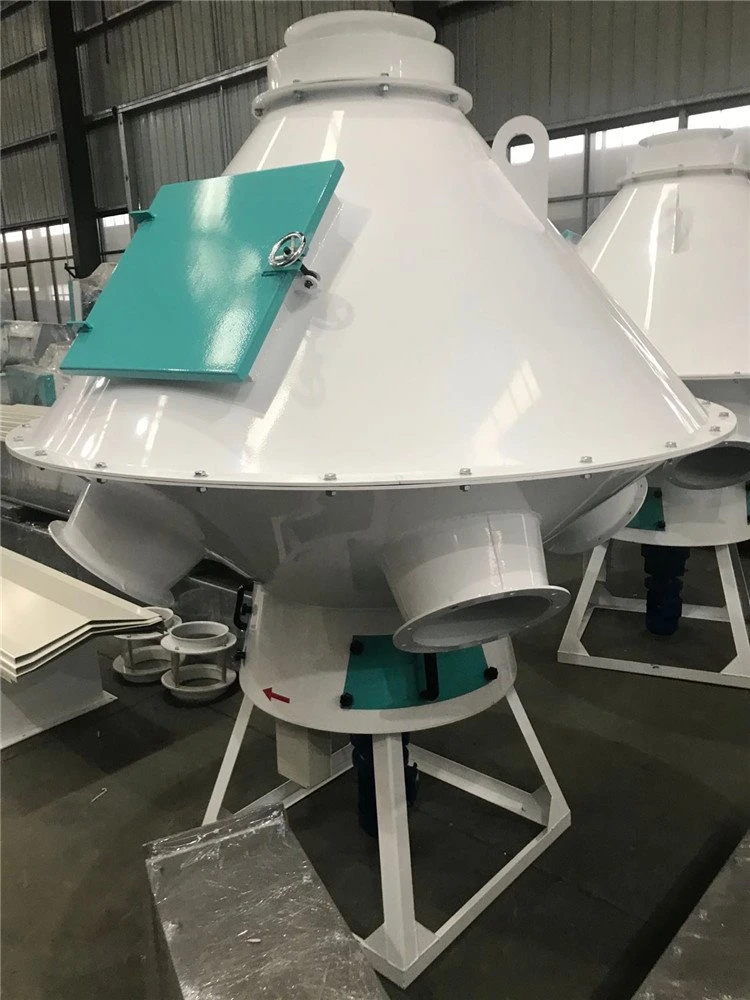
Before we dive into the integration process, let's quickly go over what a rotary distributor is. A rotary distributor is a mechanical device that distributes materials, like grains or powders, to multiple locations. It's got a rotating part that moves the material from a single input point to different output points. You can find different types of rotary distributors, such as the Rotary Grain Distributor and the Rotary Distributor for Feed Machine. These are designed to handle specific materials and applications.
Why Integrate a Rotary Distributor?
Integrating a rotary distributor into your industrial automation system can bring a whole bunch of benefits. First off, it can increase efficiency. Instead of manually moving materials around, the rotary distributor does it automatically, saving you time and labor costs. It also improves accuracy. The rotating mechanism ensures that the right amount of material goes to the right place every time. Plus, it can enhance safety. By reducing the need for manual handling, you lower the risk of accidents.
Steps to Integrate a Rotary Distributor
1. Assess Your Needs
The first step is to figure out what you need from the rotary distributor. Think about the type of material you'll be handling. Is it a fine powder, a coarse grain, or something else? The TFPX Series Rotary Distributor might be a great fit for certain materials, but you need to make sure it's suitable for yours. Also, consider the volume of material you'll be moving and how many output points you need. This will help you choose the right model.
2. Choose the Right Location
Once you know what you need, it's time to find the perfect spot for the rotary distributor. You want to place it close to the source of the material and the areas where it needs to be distributed. Make sure there's enough space around it for maintenance and operation. Also, consider the layout of your industrial automation system. You want the rotary distributor to fit in seamlessly with the other components.
3. Install the Rotary Distributor
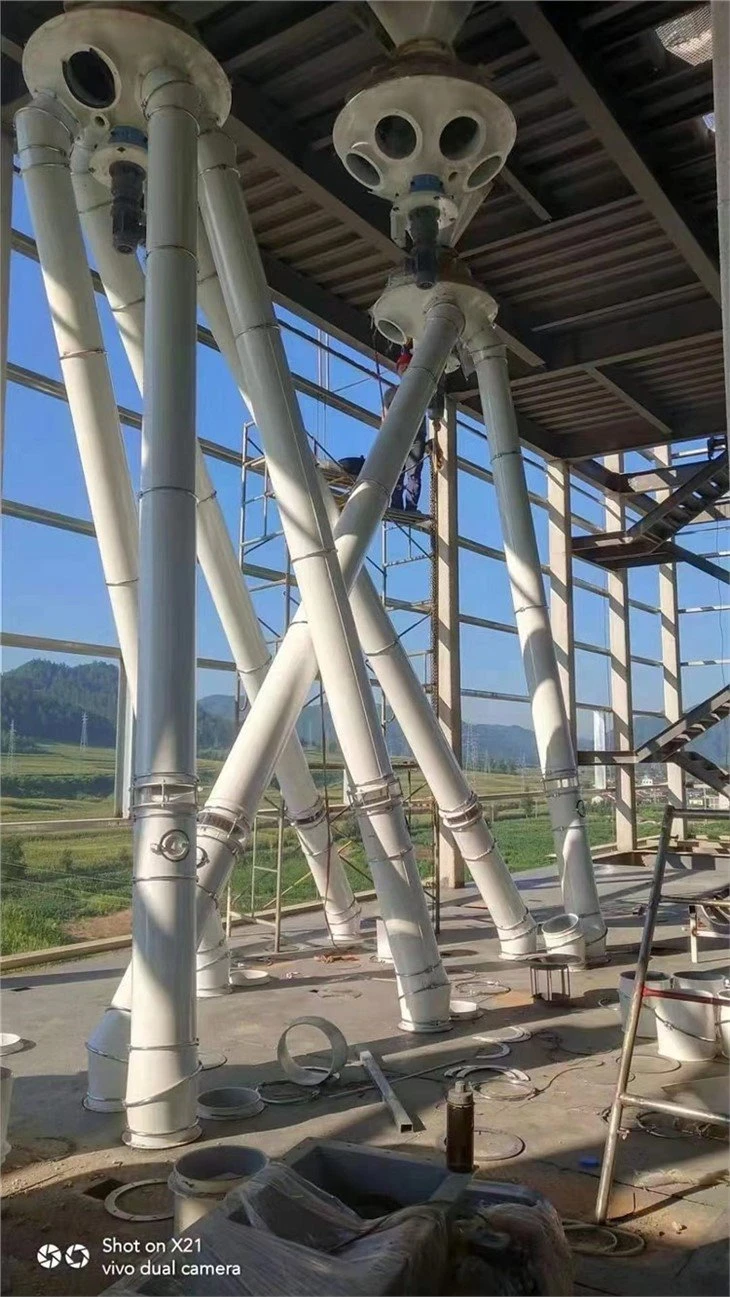
Installing the rotary distributor is a crucial step. You'll need to follow the manufacturer's instructions carefully. Usually, it involves mounting the distributor on a stable surface and connecting it to the material source and the output points. Make sure all the connections are secure to prevent any leaks or blockages. You might also need to install some additional equipment, like conveyors or sensors, depending on your setup.
4. Connect to the Automation System
Now it's time to connect the rotary distributor to your industrial automation system. This might involve wiring it to a control panel or a programmable logic controller (PLC). You'll need to set up the appropriate commands so that the distributor operates according to your needs. For example, you can program it to distribute a certain amount of material at specific intervals.
5. Test and Calibrate
After the installation and connection, it's time to test the system. Start by running a small amount of material through the rotary distributor and see how it performs. Check for any issues, like uneven distribution or blockages. If you find any problems, you'll need to troubleshoot and make adjustments. You might also need to calibrate the system to ensure accurate distribution. This could involve adjusting the speed of the rotating mechanism or the settings on the control panel.
6. Train Your Staff
Once the system is up and running, it's important to train your staff on how to operate and maintain the rotary distributor. Make sure they understand the safety procedures and how to handle any potential issues. A well-trained staff can keep the system running smoothly and prevent costly downtime.
Common Challenges and How to Overcome Them
Integrating a rotary distributor into an industrial automation system isn't always a walk in the park. There are some common challenges you might face.
Blockages
Blockages can occur if the material is too sticky or if there's too much of it flowing through the distributor. To prevent blockages, make sure the material is properly prepared and that the flow rate is within the distributor's capacity. You can also install a cleaning mechanism or use a lubricant to keep the material moving smoothly.
Wear and Tear
The rotating parts of the distributor can experience wear and tear over time. To reduce this, make sure you use high-quality components and perform regular maintenance. This could include lubricating the moving parts, checking for loose connections, and replacing any worn-out parts.
Compatibility Issues
Sometimes, the rotary distributor might not be fully compatible with your existing automation system. This could lead to communication problems or inaccurate operation. To overcome this, work closely with the manufacturer or a technical expert to ensure proper integration. You might need to make some adjustments to the software or hardware to make everything work together.
Conclusion
Integrating a rotary distributor into an industrial automation system can be a game-changer for your business. It can increase efficiency, improve accuracy, and enhance safety. By following the steps outlined in this blog post and being aware of the common challenges, you can ensure a successful integration.
If you're interested in learning more about our rotary distributors or discussing how they can fit into your industrial automation system, don't hesitate to reach out. We're here to help you make the most of this technology and take your business to the next level. Let's start a conversation and see how we can work together!
References
- Manufacturer's manuals for rotary distributors
- Industrial automation system design guides
- Industry best practices for material handling and distribution