

Transportation efficiency is a critical factor in the industrial process, especially when dealing with low - density materials in a drag conveyor. As a seasoned drag conveyor supplier, I have witnessed firsthand the challenges and opportunities in this area. In this blog post, I will share some practical strategies to improve the transportation efficiency of low - density materials in a drag conveyor.
Understanding the Characteristics of Low - Density Materials
Low - density materials, such as sawdust, feathers, and certain types of powders, present unique challenges in a drag conveyor system. Their light weight and high porosity can lead to issues like poor flowability, bridging, and uneven distribution within the conveyor. These materials tend to float or get easily displaced by air currents inside the conveyor, which can disrupt the smooth movement of the material stream.
To address these problems, it is essential to first understand the physical properties of the low - density materials. Factors such as particle size, shape, density, and moisture content can significantly affect their behavior in the conveyor. For instance, materials with a high aspect ratio (long and thin particles) may be more prone to entanglement and bridging, while materials with high moisture content can become sticky and adhere to the conveyor components.
Optimizing the Conveyor Design
The design of the drag conveyor plays a crucial role in improving the transportation efficiency of low - density materials. Here are some key design considerations:
Conveyor Geometry
The shape and size of the conveyor trough can have a significant impact on the material flow. For low - density materials, a narrow and deep trough design is often preferred. This helps to contain the material and prevent it from spreading out too much, reducing the chances of bridging and improving the overall flowability.
Chain and Flight Design
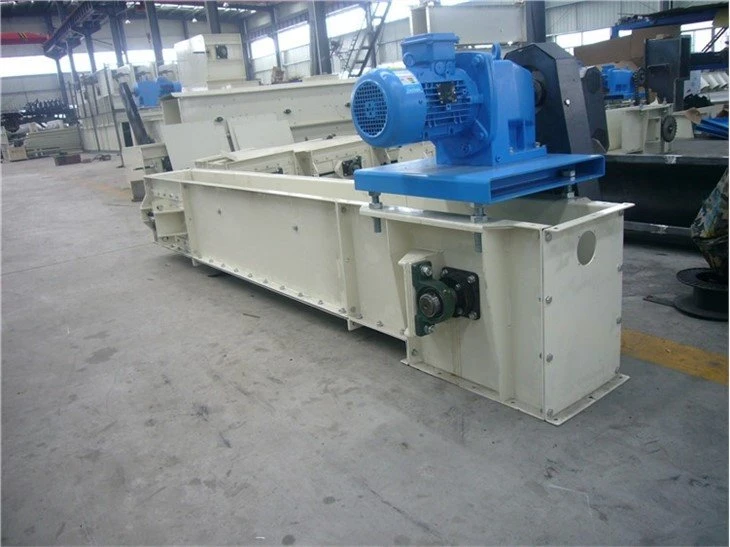
The chain and flight assembly is responsible for moving the material along the conveyor. For low - density materials, a chain with a high pitch and flights with a large surface area can be more effective. The large - surface - area flights can better capture and move the light materials, while the high - pitch chain can provide a more continuous pushing force. You can find more information about suitable chain conveyors on our Drag Chain Conveyor page.
Inlet and Outlet Design
Proper design of the inlet and outlet is essential to ensure a smooth flow of low - density materials. The inlet should be designed to evenly distribute the material into the conveyor trough, preventing overloading in one area. The outlet should be large enough to allow the material to flow out freely without causing blockages.
Controlling the Conveyor Speed
The speed of the drag conveyor is another important factor in transporting low - density materials. Running the conveyor too fast can cause the material to be blown around or become airborne, leading to loss of material and reduced efficiency. On the other hand, running the conveyor too slow can result in material accumulation and bridging.
To find the optimal conveyor speed, it is necessary to conduct tests with the specific low - density material. Start with a relatively low speed and gradually increase it while monitoring the material flow. The goal is to find a speed at which the material moves smoothly along the conveyor without any significant issues.
Using Auxiliary Equipment
In some cases, using auxiliary equipment can significantly improve the transportation efficiency of low - density materials in a drag conveyor.
Vibrators
Vibrators can be installed on the conveyor trough to help break up any bridging or clumping of the low - density materials. The vibration helps to loosen the material and improve its flowability. There are different types of vibrators available, such as pneumatic and electric vibrators, and the choice depends on the specific application and requirements.
Air Blowers
Air blowers can be used to create a gentle air current inside the conveyor to help move the low - density materials. The air current can assist in keeping the material in suspension and prevent it from settling or sticking to the conveyor walls. However, it is important to control the air flow rate carefully to avoid blowing the material out of the conveyor.
Regular Maintenance and Inspection
Regular maintenance and inspection of the drag conveyor are crucial for maintaining its efficiency, especially when transporting low - density materials.
Cleaning
Low - density materials can easily accumulate in the conveyor trough, chain, and flights. Regular cleaning of these components can prevent material build - up, which can lead to reduced efficiency and increased wear and tear. Use appropriate cleaning methods and tools, such as brushes and compressed air, to remove the accumulated material.

Lubrication
Proper lubrication of the chain and other moving parts is essential to ensure smooth operation. Low - density materials can sometimes act as abrasives, causing increased friction and wear on the conveyor components. Regular lubrication can reduce friction and extend the service life of the conveyor.
Component Inspection
Regularly inspect the conveyor components, such as the chain, flights, bearings, and sprockets, for signs of wear, damage, or misalignment. Replace any worn or damaged components promptly to prevent further problems and ensure the continued efficient operation of the conveyor. Our TGSSP Series Level Drag Conveyor is designed with high - quality components that require less frequent maintenance, but regular checks are still necessary.
Training and Operator Awareness
The operators of the drag conveyor play a vital role in ensuring its efficient operation. Providing proper training to the operators on the characteristics of low - density materials, the operation and maintenance of the conveyor, and the importance of following safety procedures is essential.
Operators should be aware of the potential issues that can arise when transporting low - density materials, such as bridging and material loss, and know how to respond to these situations effectively. They should also be trained to perform basic maintenance tasks, such as cleaning and lubrication, and to identify any signs of problems early on.
Conclusion
Improving the transportation efficiency of low - density materials in a drag conveyor requires a comprehensive approach that takes into account the characteristics of the materials, the design of the conveyor, the control of conveyor speed, the use of auxiliary equipment, regular maintenance, and operator training. By implementing these strategies, you can significantly enhance the performance of your drag conveyor system and reduce the cost and time associated with transporting low - density materials.
If you are interested in learning more about our drag conveyor products or need assistance in improving the transportation efficiency of your low - density materials, we welcome you to contact us to discuss your specific requirements and explore potential solutions. We are committed to providing high - quality conveyor systems and excellent customer service to meet your industrial needs.
References
- Smith, J. (2018). Handbook of Conveyor Technology. Publisher XYZ.
- Johnson, A. (2020). Optimization of Material Handling in Industrial Conveyors. Journal of Industrial Engineering, 25(3), 123 - 135.
- Brown, C. (2019). Challenges and Solutions in Transporting Low - Density Materials. International Journal of Material Flow, 18(2), 45 - 56.