

Hey there! As a supplier of Impeller Feeders, I've seen firsthand how different factors can impact the performance of these machines. One of the most crucial factors that often gets overlooked is the material density. In this blog, I'm going to dive deep into how material density affects the performance of an Impeller Feeder and why it matters for your operations.
Understanding Material Density
Before we get into the nitty - gritty of how material density impacts an Impeller Feeder, let's quickly understand what material density is. Material density is basically the mass of a material per unit volume. It's usually measured in kilograms per cubic meter (kg/m³) or pounds per cubic foot (lb/ft³). Different materials have different densities. For example, a cubic meter of lead will weigh a lot more than a cubic meter of feathers because lead has a much higher density.
How Material Density Affects Impeller Feeder Performance
1. Flow Rate
The flow rate of an Impeller Feeder is one of the key performance indicators. Material density plays a huge role in determining how fast or slow the material will flow through the feeder. When you're dealing with high - density materials, they tend to be heavier and more compact. This means that they require more force to move. As a result, the flow rate of high - density materials through an Impeller Feeder is generally slower compared to low - density materials.
On the other hand, low - density materials are lighter and more airy. They can flow more easily through the feeder, resulting in a higher flow rate. If you're using an Impeller Feeder to handle a variety of materials with different densities, you'll need to adjust the feeder settings accordingly to maintain a consistent flow rate. For instance, if you switch from a low - density material like sawdust to a high - density material like iron ore, you might need to increase the power of the impeller motor or adjust the impeller speed to keep the flow rate steady.
2. Accuracy of Feeding
Accuracy is another important aspect of Impeller Feeder performance. When it comes to feeding materials accurately, material density can be a real game - changer. High - density materials are more predictable in terms of their movement because they are less likely to be affected by air currents or other external factors. This makes it easier for the Impeller Feeder to dispense the right amount of material at the right time.
Low - density materials, however, can be a bit more challenging. They are more prone to being carried away by air currents, which can lead to inconsistent feeding. This means that you might end up with either too much or too little material being fed into the process. To ensure accurate feeding of low - density materials, you might need to use additional features such as anti - static devices or enclosed feeding systems.

3. Wear and Tear
The density of the material being fed also affects the wear and tear of the Impeller Feeder components. High - density materials are often harder and more abrasive. As they pass through the feeder, they can cause more friction and wear on the impeller blades, housing, and other internal parts. This means that you'll need to replace these components more frequently, which can increase your maintenance costs.
Low - density materials, on the other hand, are generally less abrasive. They cause less wear and tear on the feeder components, resulting in a longer lifespan for the Impeller Feeder. If you're regularly handling high - density materials, it's a good idea to invest in high - quality, wear - resistant components to minimize the impact of wear and tear.
Matching the Impeller Feeder to the Material Density
As an Impeller Feeder supplier, I always recommend that customers choose the right feeder for the material they're going to handle. If you're dealing with high - density materials, you'll need a feeder with a more powerful motor and robust impeller design. This will ensure that the feeder can handle the weight and force required to move the material.
For low - density materials, a less powerful feeder might be sufficient. You can also look for feeders with features that are specifically designed to handle low - density materials, such as adjustable air flow controls or anti - bridging devices.
If you're not sure which Impeller Feeder is right for your application, don't hesitate to reach out to us. We have a team of experts who can help you select the best feeder based on the material density and other factors.
Related Products
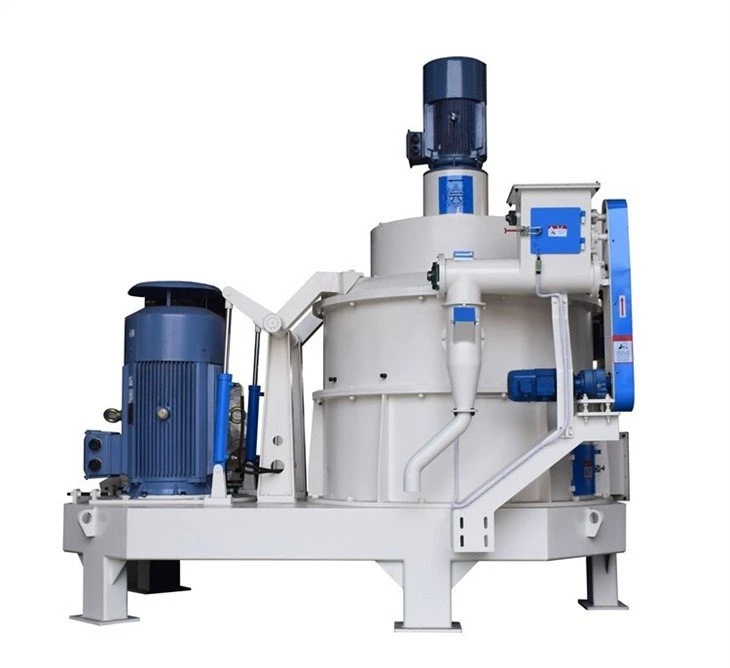
We also offer a range of related products that can work in conjunction with our Impeller Feeders. For example, our SWFL Series Ultra - fine Pulverizer is a great option if you need to further process the materials before or after feeding. And if you're in the animal feed industry, our Animal Feed Impeller Feeder is specifically designed to meet the unique requirements of that sector. Of course, our general Impeller Feeder is suitable for a wide range of applications.
Conclusion
In conclusion, material density has a significant impact on the performance of an Impeller Feeder. It affects the flow rate, accuracy of feeding, and wear and tear of the feeder components. By understanding how material density works and choosing the right Impeller Feeder for your specific application, you can ensure optimal performance and efficiency in your operations.
If you're interested in learning more about our Impeller Feeders or have any questions about how they can work with your materials, feel free to get in touch. We're here to help you make the best choice for your business and ensure that your feeding processes run smoothly.
References
- "Handbook of Bulk Solids Handling and Transport" by Pieter W. Wypych
- "Industrial Feeding Technology" by various authors