

How to Improve the Durability of a Counterflow Cooler
As a seasoned supplier of counterflow coolers, I've witnessed firsthand the challenges our customers face in maintaining the durability of these essential pieces of equipment. A counterflow cooler is a critical component in many industrial processes, especially in the feed and grain industries, where it plays a vital role in cooling and stabilizing pellets. Ensuring its long - term durability not only saves costs but also enhances operational efficiency. In this blog, I'll share some practical tips on how to improve the durability of a counterflow cooler.
Regular Maintenance and Inspection
One of the most fundamental steps in improving the durability of a counterflow cooler is regular maintenance and inspection. Just like any other machinery, a counterflow cooler is subject to wear and tear over time. Regularly scheduled maintenance can help identify and address potential issues before they turn into major problems.
- Cleaning: The cooler should be cleaned on a regular basis to prevent the accumulation of dust, debris, and pellet fines. These accumulations can not only reduce the cooling efficiency but also cause corrosion and mechanical damage. Use appropriate cleaning tools and methods to clean the internal and external surfaces of the cooler, including the cooling chambers, fans, and ducts. For example, a high - pressure air gun can be used to blow out the dust from hard - to - reach areas.
- Lubrication: Moving parts such as bearings, belts, and chains require proper lubrication to reduce friction and wear. Check the lubrication levels regularly and follow the manufacturer's recommendations for the type and frequency of lubrication. Over - lubrication can also be a problem, as it can attract dust and debris, so it's important to apply the right amount.
- Inspection of Components: Regularly inspect all components of the counterflow cooler, including the fan blades, belts, motors, and sensors. Look for signs of wear, damage, or misalignment. For instance, a worn - out fan blade can cause uneven airflow, which can affect the cooling performance and put additional stress on other components. Replace any damaged or worn parts promptly to prevent further damage.
Proper Installation
The way a counterflow cooler is installed can have a significant impact on its durability. A proper installation ensures that the cooler operates under optimal conditions, reducing the risk of premature failure.

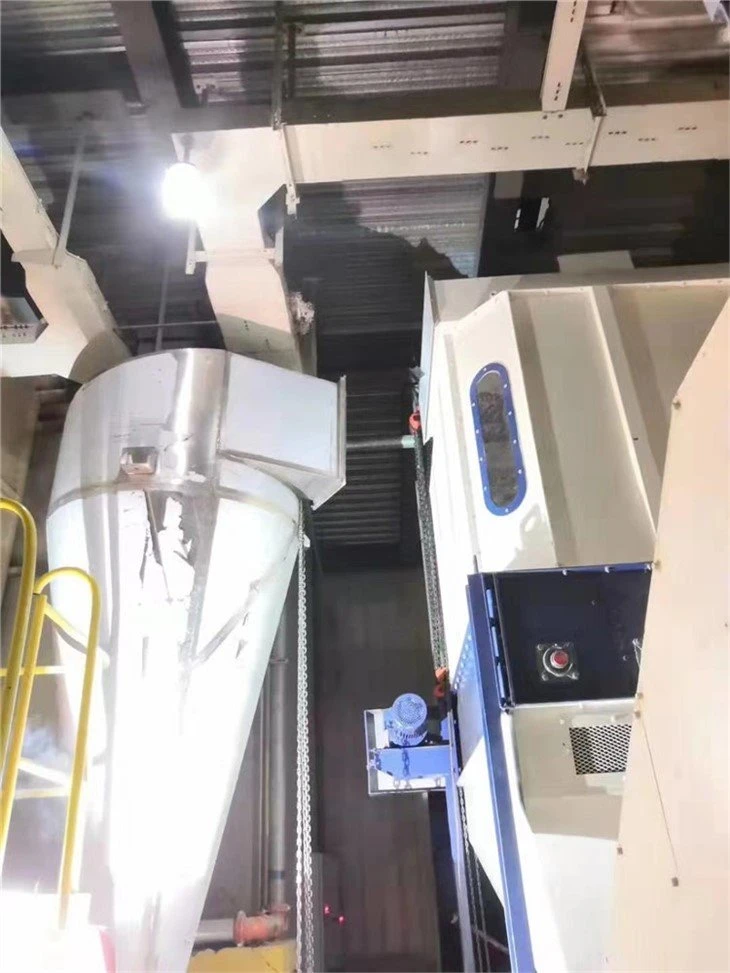
- Location: Choose an appropriate location for the cooler. It should be installed in a well - ventilated area away from sources of heat, moisture, and dust. Avoid installing the cooler in areas prone to flooding or excessive vibration, as these conditions can damage the equipment.
- Leveling: Ensure that the cooler is properly leveled during installation. An unevenly installed cooler can cause uneven stress on the components, leading to premature wear and tear. Use a spirit level to check the levelness of the cooler and make any necessary adjustments.
- Connection: Properly connect all the pipes, ducts, and electrical wiring. Loose connections can cause leaks, electrical problems, and reduced performance. Follow the installation manual carefully to ensure that all connections are secure and correctly installed.
Optimal Operating Conditions
Operating the counterflow cooler under optimal conditions is crucial for its durability. This involves controlling factors such as temperature, airflow, and pellet flow rate.
- Temperature Control: Maintain the appropriate temperature in the cooling chamber. Excessive heat can cause thermal stress on the components, leading to deformation and reduced lifespan. Monitor the inlet and outlet temperatures regularly and adjust the cooling parameters as needed.
- Airflow Management: Ensure proper airflow through the cooler. A balanced airflow helps to cool the pellets evenly and reduces the load on the fans. Check the fan speed and the condition of the air filters regularly. Clogged air filters can restrict airflow, increasing the energy consumption and reducing the cooling efficiency.
- Pellet Flow Rate: Control the pellet flow rate to avoid overloading the cooler. An excessive flow rate can cause uneven cooling and put additional stress on the components. Adjust the feed rate according to the capacity of the cooler and the characteristics of the pellets.
Training and Operator Knowledge
Well - trained operators are essential for the proper operation and maintenance of a counterflow cooler. Provide comprehensive training to the operators on how to use the cooler, perform basic maintenance tasks, and identify potential problems.
- Operation Training: Train the operators on how to start, stop, and adjust the cooler. Teach them how to monitor the key parameters such as temperature, airflow, and pellet flow rate. They should also be aware of the safety procedures and precautions when operating the cooler.
- Maintenance Training: Provide training on basic maintenance tasks such as cleaning, lubrication, and component inspection. Operators should be able to identify signs of wear and damage and know when to call for professional maintenance.
Upgrading and Retrofit
As technology advances, upgrading and retrofitting the counterflow cooler can improve its durability and performance.
- Component Upgrades: Consider upgrading some of the components of the cooler, such as the fans, motors, or sensors. Newer components may be more energy - efficient, reliable, and durable. For example, upgrading to a high - efficiency fan can improve the airflow and reduce the energy consumption.
- Automation and Control Systems: Installing an advanced automation and control system can help optimize the operation of the cooler. These systems can monitor and adjust the operating parameters in real - time, ensuring that the cooler operates under optimal conditions at all times.
At our company, we offer a range of high - quality counterflow coolers, including the SKLN Counterflow Cooler and the Counterflow Feed Pellet Cooler. Our products are designed with durability in mind, using high - quality materials and advanced manufacturing techniques.
If you're interested in improving the durability of your counterflow cooler or are looking to purchase a new one, we're here to help. Our team of experts can provide you with professional advice and solutions tailored to your specific needs. Contact us today to start a procurement discussion and take the first step towards a more durable and efficient counterflow cooling solution.
References
- "Industrial Cooling Equipment Handbook", John Wiley & Sons
- "Feed Processing Technology", American Feed Industry Association