

Hey there! As a supplier of belt dryers, I've seen firsthand the importance of energy-saving in these machines. Belt dryers are widely used in various industries, from food processing to agriculture, but they can also consume a significant amount of energy. In this blog post, I'll share some tips on how to achieve energy-saving in a belt dryer.
Understanding the Basics of Belt Dryers
Before we dive into the energy-saving tips, let's quickly go over how a belt dryer works. A belt dryer consists of a conveyor belt that moves the material through a drying chamber. Hot air is blown through the material to remove moisture. The key components of a belt dryer include the conveyor belt, the heating system, the air circulation system, and the control system.
Optimize the Heating System
One of the biggest energy consumers in a belt dryer is the heating system. Here are some ways to optimize it:
Choose the Right Heating Source
There are several heating sources available for belt dryers, such as natural gas, electricity, and steam. Each has its own advantages and disadvantages in terms of cost, efficiency, and environmental impact. Natural gas is often a cost-effective option, while electricity may be more suitable for smaller-scale operations. Steam can provide precise temperature control. Evaluate your specific needs and the availability of different energy sources in your area to choose the most efficient one.

Insulate the Drying Chamber
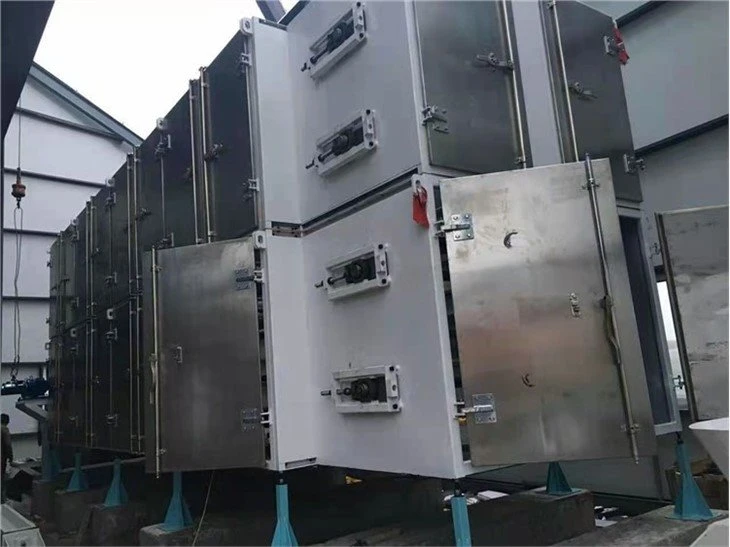
Proper insulation can significantly reduce heat loss from the drying chamber. Make sure the walls, doors, and other components of the chamber are well-insulated. This will help maintain a consistent temperature inside the chamber, reducing the amount of energy needed to heat the air.
Use Heat Recovery Systems
Heat recovery systems can capture the waste heat from the exhaust air and reuse it to preheat the incoming fresh air. This can save a substantial amount of energy. For example, a heat exchanger can be installed to transfer heat from the hot exhaust air to the cold incoming air.
Improve the Air Circulation System
The air circulation system plays a crucial role in the drying process. Here's how you can improve its energy efficiency:
Optimize the Airflow
Ensure that the airflow in the drying chamber is evenly distributed. Uneven airflow can lead to uneven drying, which may require more energy to achieve the desired moisture content. You can use baffles or air deflectors to direct the air flow and ensure that it reaches all parts of the material on the belt.
Control the Air Volume
Use variable frequency drives (VFDs) to control the speed of the fans in the air circulation system. This allows you to adjust the air volume according to the actual drying requirements. For example, during the initial stages of drying, a higher air volume may be needed, but as the material approaches the desired moisture content, the air volume can be reduced.
Clean the Air Filters Regularly
Dirty air filters can restrict the airflow, increasing the energy consumption of the fans. Make sure to clean or replace the air filters regularly to maintain proper airflow.
Optimize the Conveyor Belt Operation
The conveyor belt also affects the energy consumption of the belt dryer. Here are some tips:
Adjust the Belt Speed
The speed of the conveyor belt should be adjusted based on the type of material being dried and the desired drying time. If the belt moves too fast, the material may not be dried properly, and if it moves too slow, it can waste energy. Experiment with different belt speeds to find the optimal setting for your application.
Minimize Belt Slip
Belt slip can cause the motor to work harder, increasing energy consumption. Check the tension of the belt regularly and make sure it is properly aligned. Use belt tracking systems to prevent the belt from slipping off the rollers.
Use Advanced Control Systems
Modern control systems can help optimize the operation of the belt dryer and save energy. Here's how:
Install Programmable Logic Controllers (PLCs)
PLCs can automate the operation of the belt dryer, allowing you to set precise temperature, airflow, and belt speed parameters. They can also monitor the performance of the dryer in real-time and make adjustments as needed. For example, if the moisture content of the material changes, the PLC can automatically adjust the drying conditions to maintain the desired output.
Implement Sensor Technology
Sensors can be used to monitor various parameters such as temperature, humidity, and moisture content. This data can be used by the control system to make informed decisions about the operation of the dryer. For example, a moisture sensor can detect when the material has reached the desired moisture content and stop the drying process, saving energy.
Consider the Type of Belt Dryer
Different types of belt dryers may have different energy requirements. For example, the Feed Belt Dryer and Food Belt Dryer are designed for specific applications and may have unique features that affect energy consumption. When choosing a belt dryer, consider its energy efficiency ratings and how well it suits your specific needs.
Conclusion
Achieving energy-saving in a belt dryer requires a comprehensive approach that addresses the heating system, air circulation system, conveyor belt operation, and control systems. By implementing these tips, you can significantly reduce the energy consumption of your belt dryer, lower your operating costs, and contribute to a more sustainable environment.
If you're interested in learning more about our energy-efficient belt dryers or have any questions about energy-saving in belt dryers, feel free to reach out to us. We're here to help you find the best solution for your drying needs.
References
- "Industrial Drying Technology" by Arun S. Mujumdar
- "Energy Efficiency in Industrial Processes" by various authors