

Hey there! As a supplier of feed pellet mills, I've seen firsthand how important it is to boost the automation level of these machines. In today's fast - paced world, increasing automation can save time, reduce costs, and improve the overall quality of the feed pellets. So, let's dive into some practical ways to improve the automation level of a feed pellet mill.
1. Upgrade the Control System
One of the first steps in enhancing automation is to upgrade the control system of the feed pellet mill. A modern control system can monitor and adjust various parameters in real - time, such as temperature, pressure, and feed rate.
For instance, a programmable logic controller (PLC) can be installed to manage the entire operation of the pellet mill. It allows you to set specific parameters and the machine will automatically adjust itself to maintain those settings. This means less manual intervention and more consistent pellet production. The PLC can also be integrated with sensors placed throughout the mill. These sensors can detect issues like blockages or abnormal temperature changes and send an alert to the operator.
If you're looking for a reliable and high - performing pellet mill, check out our Pellet Mill SZLH Series. It comes with an advanced control system that makes it easier to automate the production process.
2. Automate the Feeding Process
The feeding process is a crucial part of the pellet - making operation. Manual feeding can be time - consuming and inconsistent, leading to variations in pellet quality. By automating the feeding process, you can ensure a steady and accurate supply of raw materials to the pellet mill.
A volumetric or gravimetric feeder can be used to control the amount of feed going into the mill. Volumetric feeders measure the volume of the raw material, while gravimetric feeders measure the weight. Gravimetric feeders are generally more accurate as they account for variations in the density of the raw materials.
Another option is to use a conveyor system to transport the raw materials from the storage area to the pellet mill. This not only reduces the need for manual labor but also speeds up the process. You can set up the conveyor to run at a specific speed, ensuring a continuous flow of materials.
3. Implement Automatic Lubrication
Proper lubrication is essential for the smooth operation of a feed pellet mill. However, manual lubrication can be inconsistent and may lead to over - or under - lubrication, which can damage the machine. An automatic lubrication system can solve this problem.
This system can be programmed to dispense the right amount of lubricant at regular intervals. It can also monitor the lubricant level and send an alert when it's time to refill. This ensures that the moving parts of the pellet mill are always well - lubricated, reducing wear and tear and extending the lifespan of the machine.
4. Use Automated Quality Control
Maintaining high - quality pellets is a top priority for any feed pellet producer. Automated quality control systems can help you achieve this goal.
Online quality control devices can be installed at various points in the production line. For example, a sieve shaker can be used to separate the pellets by size, removing any oversized or undersized pellets. A moisture analyzer can continuously monitor the moisture content of the pellets. If the moisture content is outside the desired range, the system can automatically adjust the drying process.
By using these automated quality control measures, you can ensure that only high - quality pellets leave your production facility, improving customer satisfaction and your bottom line.
5. Incorporate Remote Monitoring and Control
In today's digital age, remote monitoring and control are becoming increasingly important. With a remote monitoring system, you can keep an eye on the operation of your feed pellet mill from anywhere in the world.
This system allows you to access real - time data about the machine's performance, such as temperature, pressure, and production rate. You can also make adjustments to the machine's settings remotely if necessary. For example, if you notice that the production rate is lower than usual, you can increase the feed rate or adjust the temperature settings without having to be physically present at the mill.
6. Integrate with Other Equipment
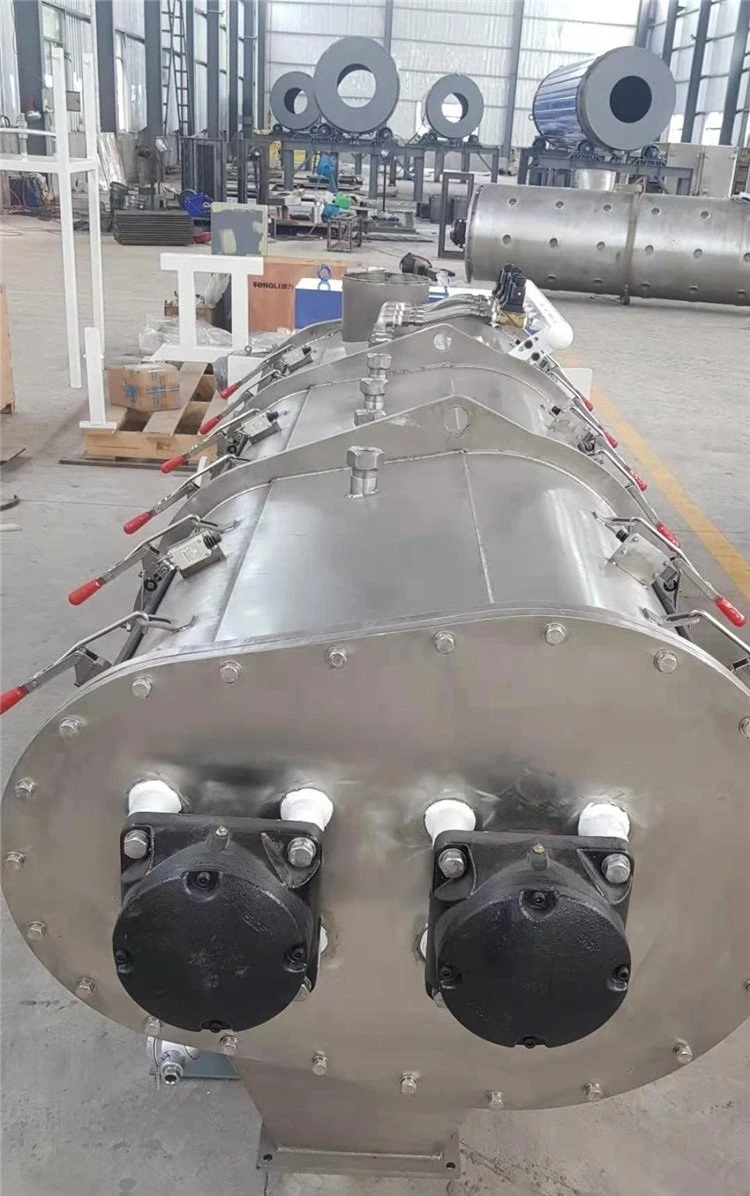
To further improve the automation level, it's a good idea to integrate the feed pellet mill with other equipment in the production line. For example, you can connect it to a Stainless Steel DDC Conditioner.
The conditioner can pre - treat the raw materials before they enter the pellet mill, improving the quality of the pellets. By integrating the two machines, you can automate the transfer of materials between them and ensure that the conditioning process is synchronized with the pellet - making process.

7. Training and Support
Even with the most advanced automation systems, your operators need to be properly trained to use them effectively. Provide comprehensive training to your staff on how to operate and maintain the automated feed pellet mill.
This training should cover topics like how to use the control system, how to troubleshoot common issues, and how to perform routine maintenance. Additionally, offer ongoing support to your operators, so they can get help whenever they encounter a problem.
8. Consider Specialized Pellet Making Machines
Depending on your specific needs, you might want to consider using specialized pellet making machines. For example, if you're producing rabbit feed, our Rabbit Pellet Making Machine is a great option.
These specialized machines are designed to meet the unique requirements of different types of feed production. They often come with features that are tailored to the specific needs of the target animal, which can further enhance the automation and efficiency of the production process.
In conclusion, improving the automation level of a feed pellet mill can bring many benefits, including increased productivity, better quality control, and reduced labor costs. By upgrading the control system, automating the feeding process, implementing automatic lubrication, using automated quality control, incorporating remote monitoring and control, integrating with other equipment, providing proper training, and considering specialized machines, you can take your pellet - making operation to the next level.
If you're interested in upgrading your feed pellet mill or purchasing a new one, don't hesitate to reach out to us. We're here to help you find the best solution for your needs and guide you through the process of improving the automation level of your production line.
References
- Smith, J. (2020). "Advances in Feed Pellet Mill Technology". Journal of Agricultural Machinery.
- Johnson, R. (2021). "Automation in Feed Production: A Review". Feed Industry Magazine.