

Ensuring the stability of the mixing performance of a feed mill mixer over time is crucial for feed producers. As a feed mill mixer supplier, I've seen firsthand the impact that inconsistent mixing can have on the quality of feed and the bottom line of a business. In this blog, I'll share some tips on how to keep your feed mill mixer performing at its best for years to come.
1. Regular Maintenance
Just like a car, a feed mill mixer needs regular maintenance to run smoothly. This includes cleaning, lubrication, and inspection of key components.
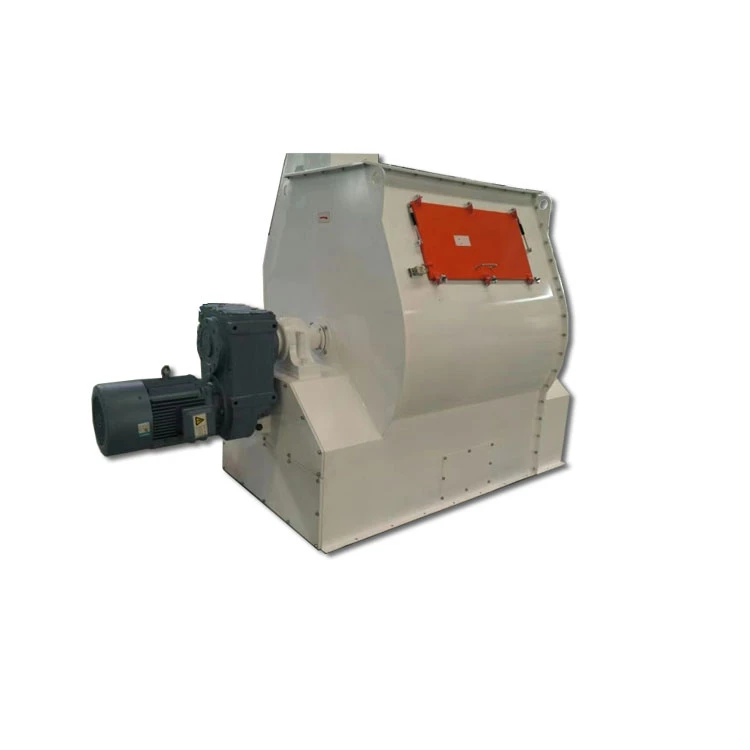
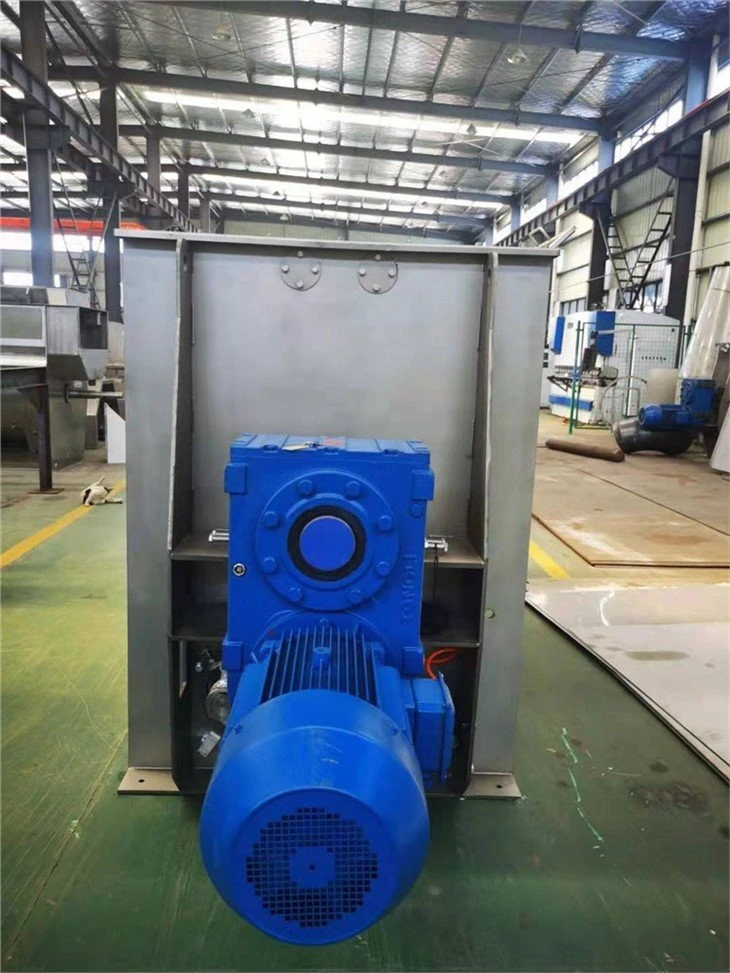
- Cleaning: After each use, it's important to clean the mixer thoroughly. Residue from previous batches can build up over time and affect the mixing performance. Use a suitable cleaning agent and make sure to reach all parts of the mixer, including the mixing chamber, paddles, and discharge gate. For example, if you're using a SLHY Horizontal Mixer, pay special attention to the horizontal mixing shaft and the areas around it where feed can accumulate.
- Lubrication: Proper lubrication of moving parts is essential to reduce friction and wear. Check the lubrication points in your mixer regularly and use the recommended lubricants. This will help prevent premature failure of components and keep the mixer running quietly and efficiently.
- Inspection: Regular inspections can catch potential problems before they turn into major issues. Look for signs of wear and tear on the paddles, belts, and bearings. Check for loose bolts and connections, and make sure all safety guards are in place. If you notice any issues, address them immediately to avoid further damage.
2. Calibration
Calibration is another important aspect of maintaining the stability of a feed mill mixer. Over time, the settings of the mixer may drift, leading to inconsistent mixing results.
- Mixing Time: The mixing time is a critical parameter that affects the homogeneity of the feed. Use a reliable method to determine the optimal mixing time for your specific feed formulation. You can do this by taking samples at different intervals during the mixing process and analyzing them for particle size distribution and nutrient content. Once you've determined the optimal mixing time, make sure to set the mixer accordingly and check it periodically to ensure it hasn't changed.
- Feed Rate: The feed rate also plays a role in the mixing performance. If the feed rate is too high, the mixer may not be able to mix the ingredients properly. On the other hand, if the feed rate is too low, it can lead to inefficient use of the mixer. Calibrate the feed rate based on the capacity of the mixer and the requirements of your feed production process.
3. Quality of Ingredients
The quality of the ingredients used in the feed can also affect the mixing performance of the mixer.
- Particle Size: Ingredients with a wide range of particle sizes can be more difficult to mix evenly. Try to use ingredients with a consistent particle size or use a grinder to reduce the particle size of larger ingredients. This will help ensure that the ingredients are mixed more uniformly in the mixer.
- Moisture Content: High moisture content in the ingredients can cause them to clump together, making it harder for the mixer to disperse them evenly. Make sure to store the ingredients in a dry place and monitor the moisture content regularly. If necessary, use a dryer to reduce the moisture content before adding the ingredients to the mixer.
4. Operator Training
Even the best feed mill mixer can perform poorly if it's not operated correctly. That's why it's important to provide proper training to the operators.
- Operating Procedures: Train the operators on the correct operating procedures for the mixer, including how to start and stop the machine, how to adjust the settings, and how to perform basic maintenance tasks. Make sure they understand the importance of following these procedures to ensure the stability of the mixing performance.
- Safety: Safety should always be a top priority when operating a feed mill mixer. Train the operators on the safety features of the mixer and how to use them properly. Provide them with personal protective equipment (PPE) such as gloves, goggles, and earplugs, and make sure they wear them at all times.
5. Upgrades and Improvements
As technology advances, there may be opportunities to upgrade your feed mill mixer to improve its performance and stability.
- New Mixing Technologies: There are constantly new mixing technologies being developed that can improve the efficiency and homogeneity of the mixing process. Consider upgrading your mixer to a model that incorporates these new technologies, such as the SJHS Paddle Mixer or the Twin - shaft Paddle Mixer. These mixers are designed to provide better mixing results and can be more energy - efficient.
- Automation: Automation can help reduce human error and improve the consistency of the mixing process. Consider adding automated features to your mixer, such as automatic ingredient dosing and mixing time control. This can help ensure that each batch of feed is mixed to the same high standard.
In conclusion, ensuring the stability of the mixing performance of a feed mill mixer over time requires a combination of regular maintenance, calibration, attention to ingredient quality, operator training, and possible upgrades. By following these tips, you can keep your feed mill mixer running smoothly and producing high - quality feed for your customers.
If you're in the market for a new feed mill mixer or looking to upgrade your existing one, we'd love to hear from you. We offer a wide range of high - quality feed mill mixers that are designed to meet the needs of different feed production processes. Contact us to discuss your requirements and let's start a conversation about how we can help you improve your feed production.
References
- Feed Mill Machinery Handbook.
- Journal of Feed Science and Technology, various issues on mixer performance.