

Hey there! As a supplier of horizontal mixers, I know how crucial it is to keep these machines clean. A well - maintained horizontal mixer not only ensures the quality of the mixed products but also extends the lifespan of the equipment. So, let's dive into how to clean a horizontal mixer effectively.
1. Preparation
Before you start cleaning your horizontal mixer, you need to do a bit of prep work. First off, make sure the mixer is completely turned off and unplugged. Safety is always the top priority, and you don't want to risk any accidental starts while you're cleaning.
Next, gather all the cleaning supplies you'll need. This usually includes a mild detergent, a soft - bristle brush, a couple of clean rags, and some warm water. You might also want to have a pair of gloves to protect your hands from any chemicals or sharp edges inside the mixer.
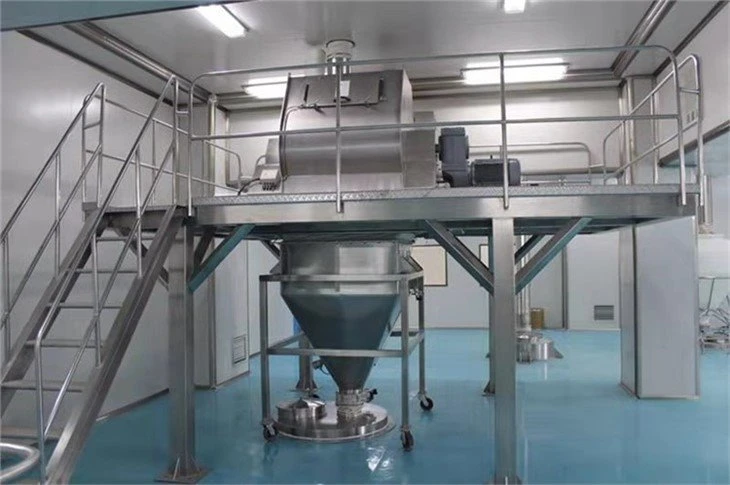
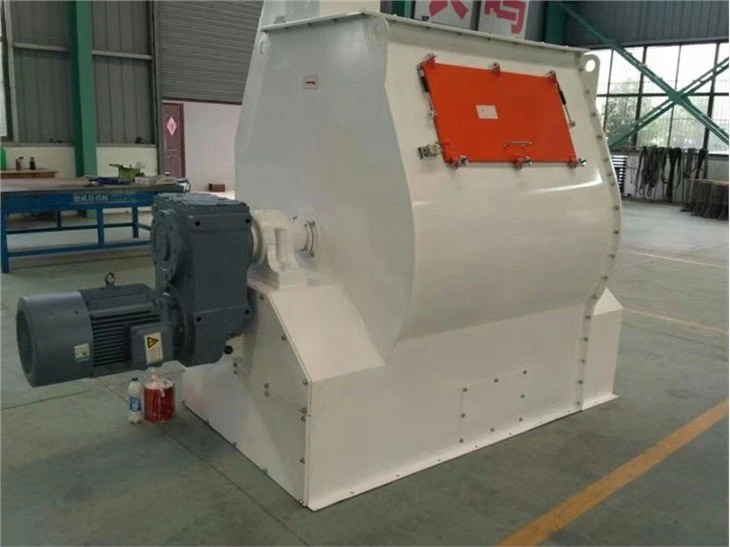
2. Empty the Mixer
The first step in the actual cleaning process is to get rid of any remaining materials in the mixer. If there's a lot of the product left, you can use a scoop or a spatula to remove as much as possible. For smaller amounts, you can simply turn the mixer on briefly (make sure it's set to a low speed) and let it discharge the remaining material into a collection container.
Once you've removed the bulk of the product, check the mixer for any clumps or stuck - on bits. Use your soft - bristle brush to gently loosen these clumps. Be careful not to scratch the interior of the mixer, as this could cause corrosion over time.
3. Disassemble (if possible)
Some horizontal mixers, like the SJHS Paddle Mixer, can be partially disassembled for a more thorough cleaning. If your mixer has removable parts such as paddles or blades, take them out carefully. Make sure you keep track of all the parts and their positions so you can put them back together correctly later.
When disassembling, pay attention to any bolts or screws. Use the appropriate tools to remove them, and place the parts in a clean area. This will make it easier to clean each component individually.
4. Cleaning the Interior
Now it's time to focus on the inside of the mixer. Fill a bucket with warm water and add a small amount of mild detergent. Dip your clean rag into the soapy water and start wiping down the interior surfaces of the mixer. Pay special attention to the corners and crevices where dirt and debris tend to accumulate.
If there are stubborn stains or residues, you can use your soft - bristle brush to scrub gently. Avoid using abrasive cleaners or brushes, as they can damage the mixer's surface. Rinse the interior thoroughly with clean water to remove all the soap residue. You can use a spray bottle filled with water for a more targeted rinse.
For the disassembled parts, soak them in the soapy water for a while. This will help to loosen any dirt or grease. Then, use the brush to clean each part carefully, making sure to get into all the nooks and crannies. Rinse the parts with clean water and dry them with a clean rag.
5. Cleaning the Exterior
Don't forget about the outside of the mixer! Wipe down the exterior surfaces with a damp rag to remove any dust, dirt, or spills. If there are any stubborn marks, you can use a small amount of the soapy water on the rag. Make sure to dry the exterior thoroughly to prevent rust.
Check the control panel and any electrical components. Use a dry, clean rag to wipe them down gently. Avoid getting any water on these parts, as it could cause electrical problems.
6. Reassemble the Mixer
Once all the parts are clean and dry, it's time to put the mixer back together. Refer to the user manual if you're not sure how to assemble the parts correctly. Make sure all the bolts and screws are tightened properly, but don't over - tighten them, as this could damage the parts.
7. Final Checks
After reassembling the mixer, do a final check. Make sure all the parts are in place and there are no loose components. Turn the mixer on briefly (again, at a low speed) to make sure it's running smoothly.
Why Effective Cleaning Matters
Cleaning your horizontal mixer effectively is not just about aesthetics. It has a significant impact on the performance and longevity of the machine. A dirty mixer can lead to cross - contamination between different batches of products, which is a big no - no, especially in industries like food and pharmaceuticals.
Moreover, if dirt and debris are allowed to build up inside the mixer, it can cause excessive wear and tear on the moving parts. This can lead to breakdowns and costly repairs. By keeping your mixer clean, you can ensure that it runs efficiently and lasts for a long time.
Our Range of Horizontal Mixers
At our company, we offer a wide range of high - quality horizontal mixers, including the Twin - shaft Paddle Mixer. These mixers are designed for optimal performance and are easy to clean, thanks to their well - thought - out design.
We also work closely with Pellet Die Manufacturer to ensure that our mixers are compatible with the best pellet - making equipment in the industry.
Contact Us for Purchasing
If you're in the market for a new horizontal mixer or need more information about our products, don't hesitate to reach out. We're always here to answer your questions and help you find the right mixer for your needs. Whether you're a small - scale producer or a large industrial operation, we have a solution for you.
References
- "Industrial Mixer Maintenance Guide", Industry Press.
- "Best Practices for Cleaning Food Processing Equipment", Food Safety Journal.