

Hey there! As a supplier of horizontal mixers, I've seen firsthand how crucial it is to get the mixing speed just right. Whether you're in the food industry, pharmaceuticals, or any other field that requires thorough mixing, adjusting the speed of your horizontal mixer can make or break your production process. In this blog post, I'll share some tips on how to adjust the mixing speed of a horizontal mixer effectively.
Understanding the Basics
Before we dive into the details of adjusting the mixing speed, let's first understand how a horizontal mixer works. A horizontal mixer typically consists of a trough-shaped container with a rotating shaft or shafts equipped with mixing blades or paddles. The ingredients are loaded into the trough, and as the shaft rotates, the blades or paddles move the ingredients around, ensuring thorough mixing.
The mixing speed of a horizontal mixer is usually measured in revolutions per minute (RPM). The ideal mixing speed depends on several factors, including the type of ingredients being mixed, the viscosity of the mixture, the size and shape of the mixing container, and the desired mixing time.
Factors Affecting Mixing Speed
- Type of Ingredients: Different ingredients have different physical properties, such as density, particle size, and shape. These properties can affect how easily the ingredients mix together and how quickly they reach a homogeneous state. For example, dry powders may require a higher mixing speed to break up clumps and ensure even distribution, while viscous liquids may require a lower speed to prevent splashing and excessive heat generation.
- Viscosity of the Mixture: The viscosity of the mixture refers to its resistance to flow. High-viscosity mixtures, such as pastes and gels, require more energy to mix compared to low-viscosity mixtures, such as liquids. Therefore, the mixing speed may need to be adjusted accordingly to ensure proper mixing.
- Size and Shape of the Mixing Container: The size and shape of the mixing container can also affect the mixing speed. A larger container may require a higher speed to ensure that all the ingredients are thoroughly mixed, while a smaller container may require a lower speed to prevent over-mixing.
- Desired Mixing Time: The desired mixing time is another important factor to consider when adjusting the mixing speed. If you need to achieve a homogeneous mixture quickly, you may need to increase the mixing speed. However, if you have more time available, you can reduce the speed to save energy and prevent damage to the ingredients.
How to Adjust the Mixing Speed
Now that we've covered the factors affecting mixing speed, let's discuss how to adjust the speed of a horizontal mixer. Here are some steps you can follow:

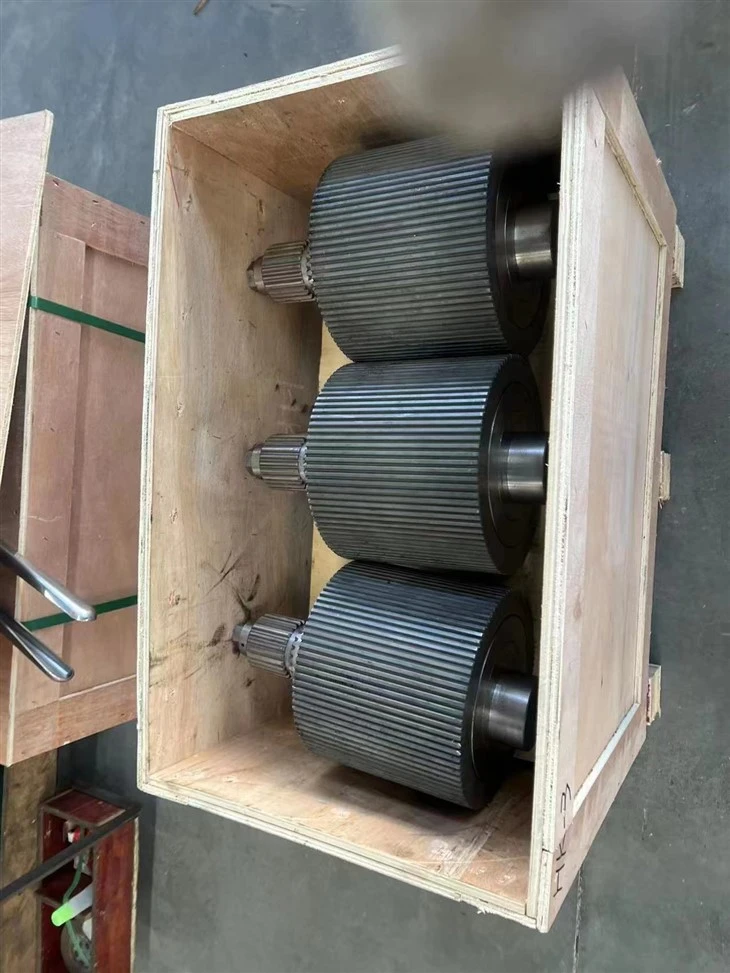
- Refer to the Manufacturer's Instructions: The first step is to refer to the manufacturer's instructions for your specific horizontal mixer. The instructions should provide guidelines on the recommended mixing speed for different types of ingredients and applications. Make sure to follow these guidelines carefully to ensure optimal performance and avoid damaging the mixer.
- Start with a Low Speed: When starting a new mixing process, it's a good idea to start with a low speed and gradually increase it as needed. This allows you to observe the mixing process and make adjustments as necessary. Starting with a low speed also helps to prevent splashing and excessive wear on the mixer components.
- Monitor the Mixing Process: As the mixer is running, monitor the mixing process closely. Pay attention to the consistency of the mixture, the distribution of the ingredients, and any signs of over-mixing or under-mixing. If you notice any issues, such as clumps or uneven distribution, you may need to adjust the mixing speed or the mixing time.
- Use a Speed Controller: Many horizontal mixers come with a speed controller that allows you to adjust the mixing speed easily. If your mixer has a speed controller, use it to fine-tune the speed based on your specific requirements. You can also use the speed controller to create a mixing profile that adjusts the speed automatically over time.
- Conduct Tests: If you're unsure about the optimal mixing speed for a particular application, it's a good idea to conduct some tests. You can start by mixing a small batch of the ingredients at different speeds and observing the results. Based on your observations, you can determine the best speed for your specific needs.
Examples of Mixing Speed Adjustments
Let's take a look at some examples of how to adjust the mixing speed for different types of ingredients and applications:
- Dry Powders: When mixing dry powders, such as flour, sugar, or spices, a higher mixing speed is usually required to break up clumps and ensure even distribution. Start with a speed of around 30-50 RPM and gradually increase it to 80-100 RPM if necessary. Monitor the mixture closely to ensure that it doesn't become too dusty or over-mixed.
- Liquids: For low-viscosity liquids, such as water or milk, a lower mixing speed is usually sufficient. Start with a speed of around 10-20 RPM and increase it as needed to ensure proper mixing. If you're mixing high-viscosity liquids, such as honey or syrup, you may need to increase the speed to 30-50 RPM.
- Pastes and Gels: Pastes and gels require more energy to mix compared to liquids. Start with a speed of around 20-30 RPM and gradually increase it to 50-70 RPM if necessary. Be careful not to over-mix the paste or gel, as this can cause it to become too thin or lose its consistency.
- Food Products: When mixing food products, such as dough or batter, the mixing speed and time are critical to achieving the desired texture and consistency. Follow the recipe instructions carefully and adjust the speed and time as needed. For example, if you're making bread dough, you may need to mix it at a low speed for a few minutes to combine the ingredients, and then increase the speed to knead the dough for 10-15 minutes.
Choosing the Right Horizontal Mixer
In addition to adjusting the mixing speed, choosing the right horizontal mixer for your application is also important. Here are some factors to consider when selecting a horizontal mixer:
- Capacity: The capacity of the mixer refers to the maximum amount of ingredients it can hold. Choose a mixer with a capacity that matches your production needs.
- Mixing Mechanism: There are several types of mixing mechanisms available for horizontal mixers, including paddle mixers, ribbon mixers, and twin-shaft mixers. Each type of mixer has its own advantages and disadvantages, so choose the one that is best suited for your specific application. For example, if you need to mix dry powders or granules, a Twin-shaft Paddle Mixer may be a good choice. If you need to mix liquids or pastes, a Feed Mill Paddle Mixer may be more suitable.
- Power and Speed Range: Make sure the mixer has enough power to handle the ingredients you'll be mixing and a wide enough speed range to allow for different mixing requirements.
- Construction and Durability: Look for a mixer that is made of high-quality materials and has a sturdy construction. This will ensure that the mixer lasts for a long time and can withstand the rigors of daily use.
- Ease of Cleaning and Maintenance: Cleaning and maintaining a horizontal mixer is important to ensure its performance and longevity. Choose a mixer that is easy to clean and has accessible parts for maintenance.
Conclusion
Adjusting the mixing speed of a horizontal mixer is an important part of ensuring optimal performance and achieving the desired mixing results. By understanding the factors affecting mixing speed, following the manufacturer's instructions, and conducting tests, you can find the best speed for your specific application. Remember to choose the right horizontal mixer for your needs and to clean and maintain it regularly to ensure its longevity.
If you're in the market for a horizontal mixer or need more information on how to adjust the mixing speed, feel free to reach out to us. We're a leading supplier of horizontal mixers and can help you find the perfect solution for your production needs. Contact us today to start the procurement negotiation process and take your mixing operations to the next level.
References
- Smith, J. (2020). Mixing Technology Handbook. Wiley.
- Jones, A. (2019). Principles of Mixing in the Food Industry. Springer.
- Brown, K. (2018). Pharmaceutical Mixing: Theory and Practice. Pharmaceutical Press.