

Hey there! As a supplier of Impeller Feeders, I've been getting a lot of questions lately about the dynamic balancing requirements for the impeller of an Impeller Feeder. So, I thought I'd take a moment to break it down for you all.
First off, let's talk about what an Impeller Feeder is. It's a crucial piece of equipment in many industries, especially in the Poultry Feed Hammer Mill and SWFL Series Ultra-fine Pulverizer setups. The impeller in an Impeller Feeder is responsible for controlling the flow of materials, whether it's feed in a poultry farm or fine powders in a pulverizing process.
Now, dynamic balancing is super important for the impeller. When an impeller is rotating at high speeds, any imbalance can lead to a whole bunch of problems. For starters, it can cause excessive vibration. You know, that kind of shaking that can make the whole machine rattle and even damage other components over time. It's like when your car's wheels are out of balance - you can feel that annoying vibration in the steering wheel, and it's not good for the car in the long run.
In the case of an Impeller Feeder, this vibration can lead to premature wear and tear of bearings, seals, and other moving parts. And that means more maintenance, more downtime, and ultimately, more costs for you. No one wants that, right?
Another issue caused by an unbalanced impeller is noise. Excessive noise is not only a nuisance, but it can also be a sign of a serious problem. It can indicate that the impeller is working harder than it should, which can lead to overheating and reduced efficiency.
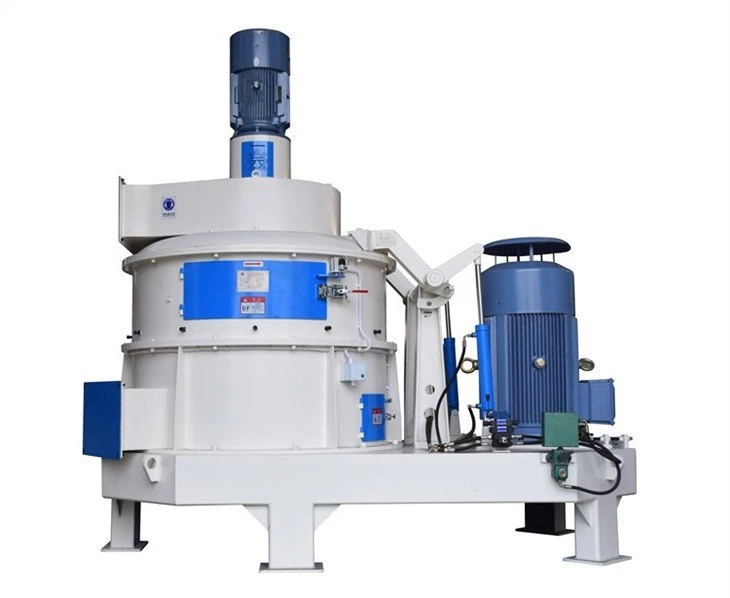

So, what are the specific dynamic balancing requirements for the impeller of an Impeller Feeder? Well, it depends on a few factors. One of the main factors is the speed of rotation. The faster the impeller spins, the more critical the balancing becomes. For high-speed impellers, the allowable imbalance is much lower compared to slower ones.
The size and weight of the impeller also play a role. Larger and heavier impellers need to be more precisely balanced to ensure smooth operation. And then there's the type of material being handled. If the material is abrasive or has a high density, it can put more stress on the impeller, making proper balancing even more important.
To meet these dynamic balancing requirements, we use state - of - the - art balancing equipment and techniques. We start by measuring the existing imbalance of the impeller. This is done using specialized sensors that can detect even the slightest variations in the impeller's rotation. Once we know where the imbalance is, we can then make the necessary adjustments.
One common way to balance an impeller is by adding or removing weight. We might add small weights to the impeller at specific locations to counteract the imbalance. Or, in some cases, we can remove a small amount of material from certain areas. This process is done very carefully to ensure that the impeller is balanced within the required tolerance.
At our company, we understand that every customer's needs are different. That's why we offer customized balancing solutions for our Impeller Feeders. Whether you're using the feeder in a small - scale operation or a large industrial plant, we can make sure that the impeller is perfectly balanced for optimal performance.
We also provide after - sales support. If you ever notice any issues with the balance of the impeller after installation, just give us a shout. Our team of experts will be happy to come and take a look. We'll troubleshoot the problem and make any necessary adjustments to get your Impeller Feeder running smoothly again.
In addition to the technical aspects, choosing a properly balanced impeller can also have a positive impact on your bottom line. By reducing vibration and noise, and improving the overall efficiency of the Impeller Feeder, you can save on energy costs. You'll also extend the lifespan of the equipment, which means fewer replacements and less money spent on new parts.
So, if you're in the market for an Impeller Feeder or if you're having problems with the balance of your existing impeller, don't hesitate to reach out. We're here to help you find the best solution for your specific needs. Whether it's for a Poultry Feed Hammer Mill or a SWFL Series Ultra-fine Pulverizer, we've got the expertise and the products to keep your operation running smoothly.
In conclusion, dynamic balancing of the impeller in an Impeller Feeder is not something to be taken lightly. It's a critical factor that can affect the performance, reliability, and cost - effectiveness of your equipment. By working with a trusted supplier like us, you can ensure that your Impeller Feeder meets all the necessary dynamic balancing requirements.
If you're interested in learning more about our Impeller Feeders or want to discuss your specific needs, feel free to contact us. We're always eager to have a chat and help you make the right choice for your business.
References
- Machinery Dynamics Handbook
- Industrial Feeding Equipment Standards Manual