

Hey there! I'm working with a drag conveyor supply business, and today, I wanna chat about how to adjust the drag conveyor according to different material characteristics. It's super important because if you don't adjust it right, you might face all sorts of problems like low efficiency, equipment damage, and more.
First off, let's talk about the basic types of materials we often deal with. There are granular materials, powdery materials, and lumpy materials. Each type has its own unique features, and we need to make corresponding adjustments to the drag conveyor.
Adjusting for Granular Materials
Granular materials, like grains or small plastic pellets, are relatively easy to handle. But still, we need to pay attention to a few things.
One of the key factors is the speed of the conveyor. For granular materials, a moderate speed usually works well. If the speed is too slow, the material might pile up on the conveyor, causing blockages. On the other hand, if the speed is too fast, the material could spill out. Our TGSSP Series Level Drag Conveyor can be easily adjusted in terms of speed. You can use the control panel to set the desired speed according to the specific granular material you're conveying.
The spacing between the chains or flights also matters. For granular materials, a smaller spacing can prevent the material from falling through the gaps. This ensures a more efficient and clean conveyance process. And when it comes to the depth of the trough, a medium depth is usually suitable. It allows enough space for the material to move smoothly without taking up too much unnecessary space.
Handling Powdery Materials
Powdery materials, such as flour or cement, are a bit more tricky. They tend to be dusty and can easily cause environmental pollution if not handled properly.
The first thing we need to consider is the sealing of the conveyor. Our Drag Chain Conveyor is designed with excellent sealing performance. We use high - quality gaskets and covers to prevent the powder from leaking out. This not only protects the environment but also keeps the working area clean and safe.
The speed of the conveyor for powdery materials should be relatively slow. A slow speed reduces the generation of dust. When the powder moves too fast, it can create a lot of air turbulence, which stirs up the dust. Also, we need to pay attention to the angle of the conveyor. A gentle slope can help the powder flow more smoothly without causing blockages.
Another important aspect is the cleaning of the conveyor. Powdery materials can stick to the chains, flights, and troughs. Regular cleaning is necessary to maintain the conveyor's performance. We can use special cleaning devices or brushes to remove the powder residue.
Dealing with Lumpy Materials
Lumpy materials, like rocks or large pieces of coal, require a different approach.
The strength and durability of the conveyor are crucial. Our drag conveyors are built with high - strength materials to withstand the weight and impact of lumpy materials. The chains and flights need to be thick and strong enough to carry the heavy lumps.
The size of the trough should be large enough to accommodate the lumps. If the trough is too small, the lumps might get stuck, causing the conveyor to stop working. And the speed of the conveyor for lumpy materials should be slow and steady. A sudden change in speed can cause the lumps to collide with each other or with the conveyor components, leading to damage.
We also need to install a screening device at the input end of the conveyor. This can help remove any oversized lumps that might cause problems during the conveyance process.
Other Material Characteristics to Consider
Apart from the basic material types, there are other characteristics we need to take into account.
The moisture content of the material can have a big impact. If the material is too wet, it can become sticky and might clog the conveyor. In this case, we can adjust the conveyor by increasing the speed slightly to prevent the material from sticking. We can also install a drying device upstream of the conveyor to reduce the moisture content.
The abrasiveness of the material is another factor. Abrasive materials, like sand, can wear out the conveyor components quickly. To deal with this, we can use wear - resistant materials for the chains, flights, and troughs. We can also apply special coatings to the surfaces to increase their resistance to abrasion.
Conclusion
Adjusting the drag conveyor according to different material characteristics is a complex but necessary task. By understanding the unique features of each material type and making the right adjustments, we can ensure the efficient, safe, and long - lasting operation of the conveyor.

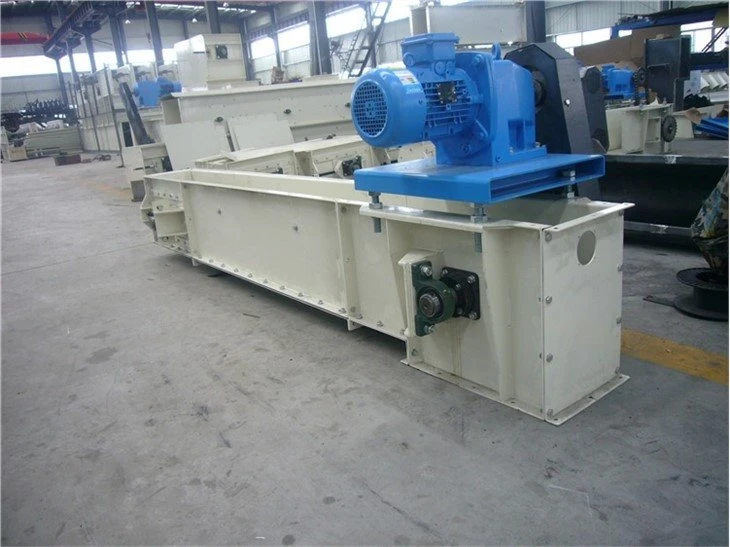
If you're in the market for a high - quality drag conveyor or need more advice on adjusting the conveyor for your specific materials, don't hesitate to reach out. We're here to help you find the best solution for your business.
References
- Conveyor Handbook, various industry experts' contributions
- Research papers on material handling and conveyor technology