

Adjusting the chain or belt tension of a bucket elevator is a critical maintenance task that directly impacts the efficiency, safety, and longevity of the equipment. As a leading bucket elevator supplier, we understand the importance of proper tension adjustment and are here to guide you through the process.
Understanding the Basics of Bucket Elevator Chain and Belt Tension
Before delving into the adjustment process, it's essential to understand why proper tension is crucial. In a bucket elevator, the chain or belt serves as the primary means of transporting materials from one level to another. If the tension is too loose, the chain or belt may slip, leading to reduced efficiency, increased wear and tear, and potential material spillage. On the other hand, if the tension is too tight, it can cause excessive stress on the components, leading to premature failure and increased energy consumption.
Tools and Equipment Required
To adjust the chain or belt tension of a bucket elevator, you will need the following tools and equipment:
- A tension gauge: This tool is used to measure the tension of the chain or belt accurately.
- Wrenches: You will need wrenches to loosen and tighten the bolts that hold the tensioning device in place.
- Safety equipment: Always wear appropriate safety gear, such as gloves and safety glasses, when working on the elevator.
Step-by-Step Guide to Adjusting Chain Tension
- Inspect the Chain: Before making any adjustments, thoroughly inspect the chain for any signs of damage, such as worn links, cracks, or corrosion. If you notice any issues, replace the chain immediately.
- Locate the Tensioning Device: The tensioning device is typically located at the tail end of the elevator. It consists of a set of bolts and nuts that can be adjusted to increase2. Locate the Tensioning Device: The tensioning device is typically located at the tail end of the elevator. It consists of a set of bolts and nuts that can be adjusted to increase or decrease the tension of the chain.
- Loosen the Locking Bolts: Use a wrench to loosen the locking bolts on the tensioning device. This will allow you to adjust the tension of the chain.
- Measure the Tension: Use a tension gauge to measure the tension of the chain. The recommended tension for most bucket elevators is between 100 and 200 pounds per inch of chain width.
- Adjust the Tension: If the tension is too loose, turn the adjustment bolts clockwise to increase the tension. If the tension is too tight, turn the adjustment bolts counterclockwise to decrease the tension. Make small adjustments and re-measure the tension after each adjustment until the desired tension is achieved.
- Tighten the Locking Bolts: Once the desired tension is achieved, tighten the locking bolts on the tensioning device to secure the chain in place.
- Test the Elevator: After adjusting the chain tension, run the elevator for a few minutes to ensure that it is operating smoothly. Check for any signs of slipping or abnormal noise.
Step-by-Step Guide to Adjusting Belt Tension
- Inspect the Belt: Before making any adjustments, inspect the belt for any signs of damage, such as tears, fraying, or excessive wear. If you notice any issues, replace the belt immediately.
- Locate the Tensioning Device: The tensioning device for a belt elevator is typically located at the tail end of the elevator. It consists of a set of bolts and nuts that can be adjusted to increase or decrease the tension of the belt.
- Loosen the Locking Bolts: Use a wrench to loosen the locking bolts on the tensioning device. This will allow you to adjust the tension of the belt.
- Measure the Tension: Use a tension gauge to measure the tension of the belt. The recommended tension for most bucket elevators is between 10 and 20 pounds per inch of belt width.
- Adjust the Tension: If the tension is too loose, turn the adjustment bolts clockwise to increase the tension. If the tension is too tight, turn the adjustment bolts counterclockwise to decrease the tension. Make small adjustments and re-measure the tension after each adjustment until the desired tension is achieved.
- Tighten the Locking Bolts: Once the desired tension is achieved, tighten the locking bolts on the tensioning device to secure the belt in place.
- Test the Elevator: After adjusting the belt tension, run the elevator for a few minutes to ensure that it is operating smoothly. Check for any signs of slipping or abnormal noise.
Tips for Maintaining Proper Chain and Belt Tension
- Regular Inspections: Conduct regular inspections of the chain or belt to check for signs of wear and tear. Replace any damaged components immediately.
- Lubrication: Keep the chain or belt properly lubricated to reduce friction and wear. Follow the manufacturer's recommendations for lubrication intervals and types of lubricants.
- Alignment: Ensure that the chain or belt is properly aligned with the sprockets or pulleys. Misalignment can cause excessive wear and premature failure.
- Load Capacity: Do not exceed the recommended load capacity of the elevator. Overloading can cause excessive stress on the chain or belt, leading to premature failure.
Conclusion
Proper adjustment of the chain or belt tension is essential for the efficient and safe operation of a bucket elevator. By following the steps outlined in this guide and implementing the tips for maintenance, you can ensure that your elevator operates smoothly and reliably for years to come.

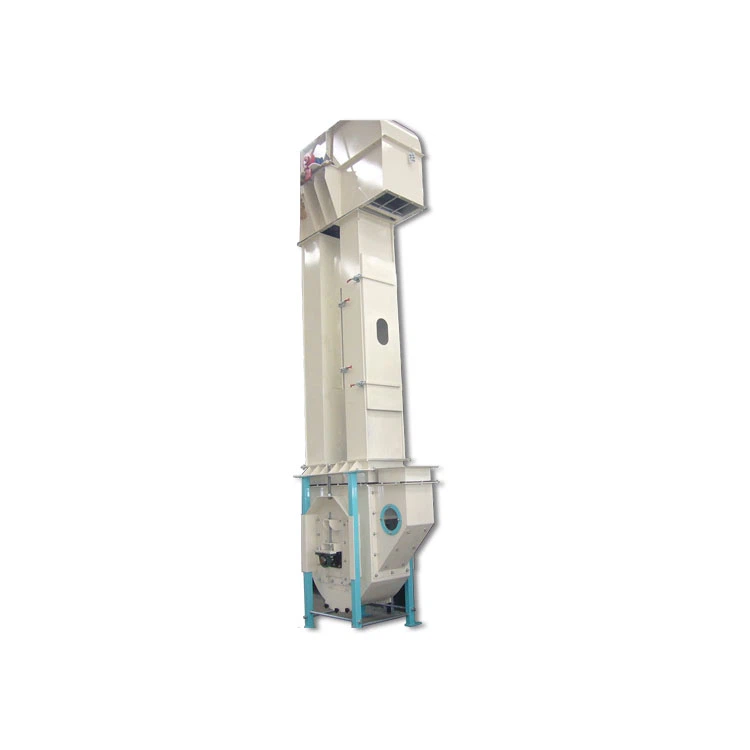
If you are in the market for a high-quality bucket elevator, we invite you to explore our range of products, including the Flour Bucket Elevator and the TDTG Bucket Elevator. Our experienced team is ready to assist you in selecting the right elevator for your specific needs and providing you with the support and service you deserve. Contact us today to learn more about our products and to discuss your requirements.
References
- Manufacturer's manuals for bucket elevators
- Industry standards and best practices for chain and belt tension adjustment