

In the realm of industrial mixing processes, the question of whether a horizontal mixer can be used for continuous mixing is one that often arises among professionals and decision - makers. As a seasoned supplier of horizontal mixers, I've witnessed firsthand the diverse applications and capabilities of these machines. In this blog, I'll delve into the technical aspects, advantages, limitations, and real - world scenarios to provide a comprehensive answer to this question.
Technical Principles of Horizontal Mixers
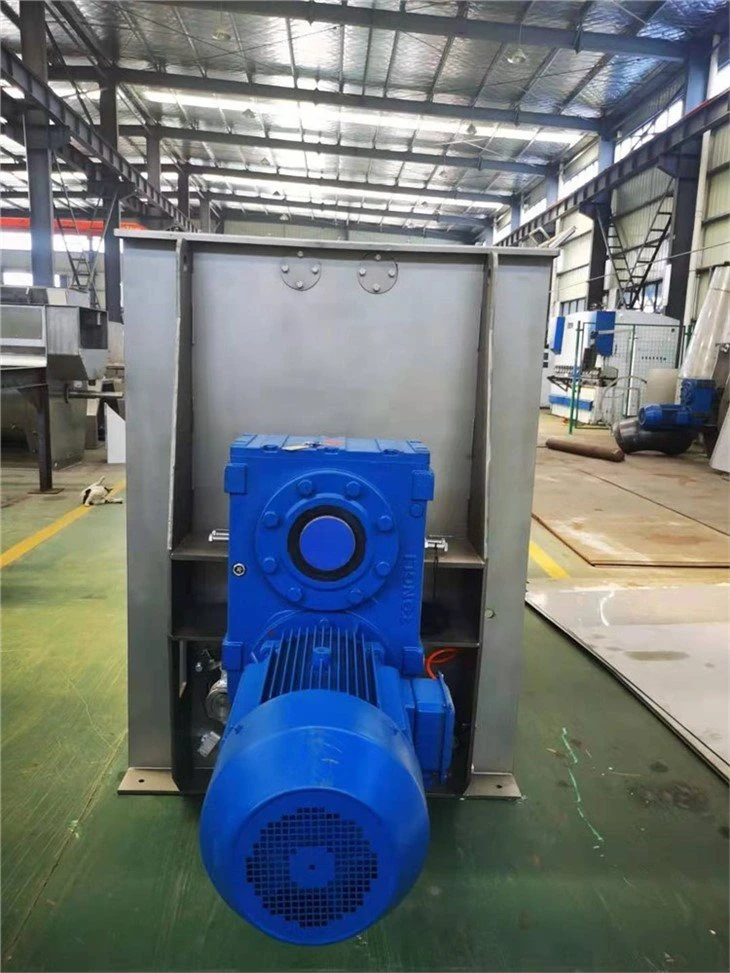
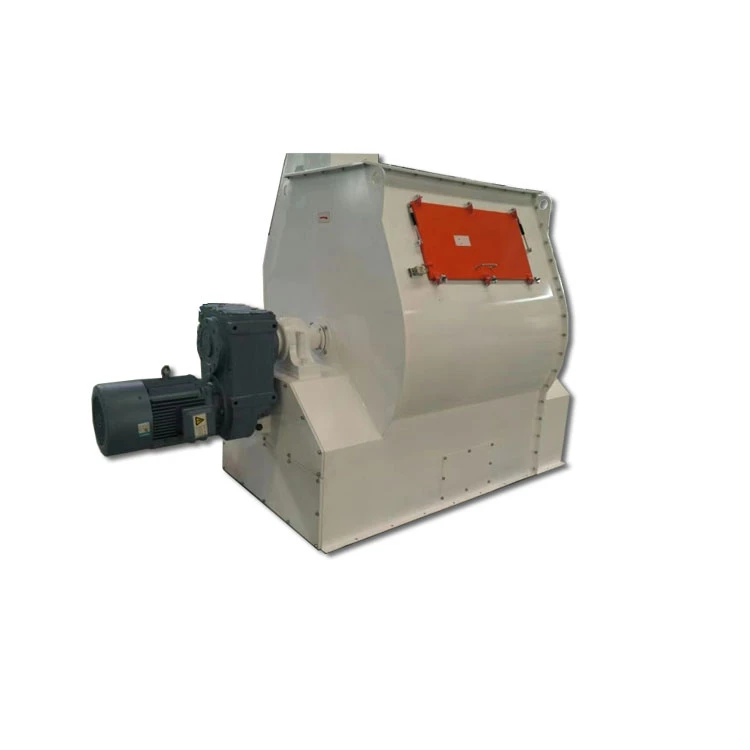
Horizontal mixers, such as the SJHS Paddle Mixer and Twin - shaft Paddle Mixer, operate based on the principle of mechanical agitation. Inside the horizontal chamber, paddles or blades rotate, creating a flow pattern that moves the materials through the mixer. This agitation helps in achieving a homogeneous mixture by continuously shearing, folding, and blending the components.
The design of the horizontal mixer allows for a relatively large surface area of contact between the mixing elements and the materials. This is beneficial for distributing additives, binders, or other minor components evenly throughout the bulk material. The horizontal orientation also provides a longer residence time for the materials within the mixer, which can enhance the mixing quality.
Continuous Mixing Requirements
Continuous mixing requires a steady inflow and outflow of materials while maintaining a consistent level of mixture quality. The key requirements for a successful continuous mixing process include:
- Uniform Feed Rate: The materials must be fed into the mixer at a constant rate to ensure that the mixing ratio remains stable. Any fluctuations in the feed rate can lead to inconsistent mixtures.
- Proper Residence Time: The materials need to spend an appropriate amount of time inside the mixer to achieve the desired level of homogeneity. This requires careful design and control of the mixer's speed and flow path.
- Consistent Discharge: The mixed materials should be discharged from the mixer at a rate that matches the feed rate, preventing build - up inside the mixer.
Can Horizontal Mixers Meet Continuous Mixing Requirements?
The answer is yes, horizontal mixers can be used for continuous mixing, but with certain considerations.
Advantages of Using Horizontal Mixers for Continuous Mixing
- Flexibility: Horizontal mixers can handle a wide range of materials, including powders, granules, and pastes. This makes them suitable for various industries such as food, pharmaceuticals, and chemical manufacturing. For example, in the animal feed industry, horizontal mixers can continuously blend different grains, vitamins, and minerals to produce a balanced feed.
- High - Quality Mixing: As mentioned earlier, the horizontal design and the large contact area between the mixing elements and the materials result in excellent mixing quality. This is crucial for applications where a high degree of homogeneity is required, such as in the production of specialty chemicals.
- Scalability: Horizontal mixers can be easily scaled up or down to meet different production volumes. Whether you are running a small - scale operation or a large - scale industrial plant, there is a horizontal mixer available to suit your needs.
Limitations and Challenges
- Feed and Discharge Control: Achieving a uniform feed rate and consistent discharge can be challenging, especially when dealing with materials of different densities or flow properties. Specialized feeding and discharge systems may be required to ensure smooth operation.
- Cleaning and Maintenance: Continuous operation can lead to a build - up of materials inside the mixer, which can affect the mixing quality over time. Regular cleaning and maintenance are necessary to prevent contamination and ensure the long - term performance of the mixer.
- Mixing Intensity: In some cases, the mixing intensity may need to be adjusted to meet the continuous mixing requirements. This may involve changing the speed of the mixing elements or modifying the design of the paddles or blades.
Real - World Applications
There are numerous real - world applications where horizontal mixers are successfully used for continuous mixing.
In the construction industry, horizontal mixers are used to continuously mix cement, sand, and aggregates to produce concrete. The continuous flow of materials ensures a steady supply of concrete for large - scale construction projects.
In the food industry, horizontal mixers are employed to blend ingredients for products such as bread, cookies, and snacks. The ability to maintain a consistent mixture quality is essential for ensuring the taste and texture of the final products.
Choosing the Right Horizontal Mixer for Continuous Mixing
When selecting a horizontal mixer for continuous mixing, several factors should be considered:
- Material Characteristics: The properties of the materials, such as particle size, density, and moisture content, will influence the choice of mixer. For example, materials with high viscosity may require a more powerful mixer with a different paddle design.
- Production Capacity: Determine the required production volume and choose a mixer with an appropriate capacity. Consider future expansion plans as well to ensure that the mixer can handle increased production in the future.
- Mixing Quality: Evaluate the mixer's ability to achieve the desired level of homogeneity. Look for features such as adjustable mixing speed and paddle design that can enhance the mixing quality.
If you are considering a horizontal mixer for your continuous mixing needs, our Horizontal Mixer range offers a variety of options to suit different applications. Our team of experts can provide you with detailed technical advice and help you select the most suitable mixer for your specific requirements.
Conclusion
In conclusion, horizontal mixers can be effectively used for continuous mixing, offering flexibility, high - quality mixing, and scalability. However, it is important to address the limitations and challenges associated with continuous operation, such as feed and discharge control, cleaning, and maintenance. By carefully considering the material characteristics, production capacity, and mixing quality requirements, you can choose the right horizontal mixer for your continuous mixing process.
If you have any questions or would like to discuss your specific mixing needs, please feel free to reach out. We are here to assist you in finding the best solution for your continuous mixing requirements.
References
- Perry, R. H., & Green, D. W. (1997). Perry's Chemical Engineers' Handbook. McGraw - Hill.
- McCabe, W. L., Smith, J. C., & Harriott, P. (2005). Unit Operations of Chemical Engineering. McGraw - Hill.
- Process Equipment Design: Selection and Dimensioning. (2012). Wiley - VCH.