

As a supplier of dust collectors, I often get asked the question: How often should I clean the dust collector? This is a crucial query, as proper maintenance, including regular cleaning, is essential for the efficient and safe operation of dust collectors. In this blog, I'll delve into the factors that determine the cleaning frequency and provide some general guidelines to help you keep your dust collector in top - notch condition.
Factors Affecting Cleaning Frequency
Dust Type and Concentration
The nature of the dust being collected plays a significant role in determining how often you need to clean the dust collector. Different types of dust have varying characteristics, such as particle size, density, and stickiness.
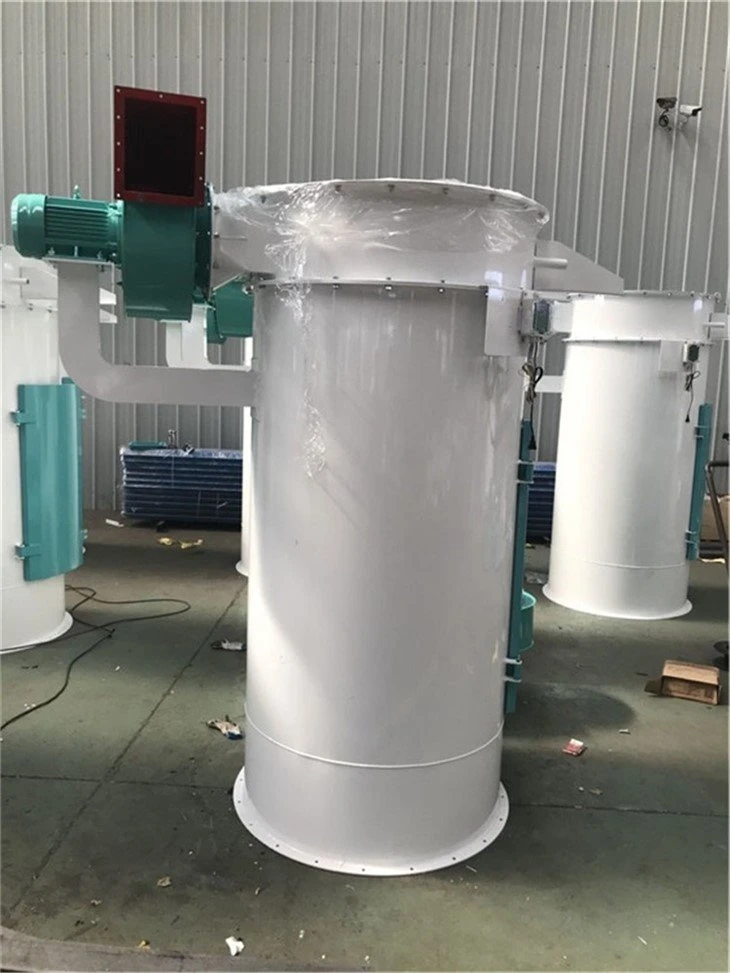
For example, fine dust particles, like those generated in a Flour Mill Dust Collector, are more likely to penetrate filter media and accumulate inside the collector. These fine particles can clog the filters quickly, reducing the collector's efficiency and increasing the pressure drop across the system. In high - dust - concentration environments, such as industrial feed production where a Dust Collector for Industry Feed is used, the filters will fill up with dust at a faster rate compared to a low - dust - concentration setting.
On the other hand, coarse dust particles are less likely to clog the filters but may cause more wear and tear on the internal components of the dust collector. Some types of dust, such as those containing oils or resins, can be sticky and adhere to the filter surfaces, making them more difficult to clean and potentially requiring more frequent maintenance.
Operating Hours
The number of hours your dust collector operates per day or week is another important factor. A dust collector that runs continuously for long periods will collect more dust in a shorter time compared to one that operates intermittently. For instance, in a 24/7 manufacturing plant, the dust collector will need more frequent cleaning than in a small workshop that only operates a few hours a day.
Collector Design and Capacity
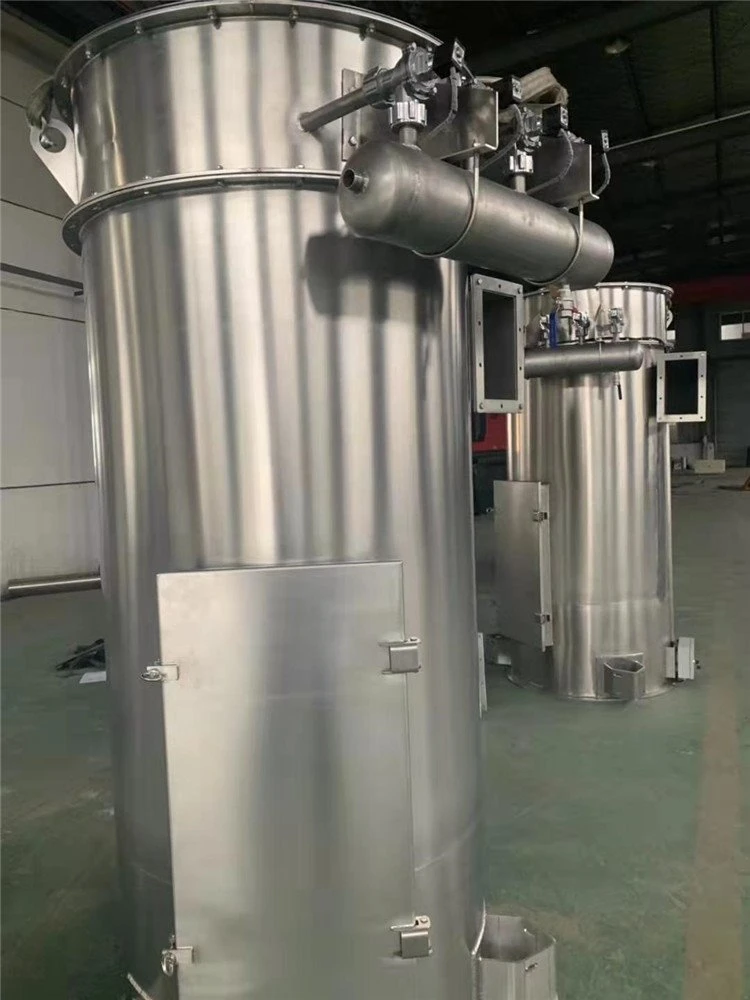
The design and capacity of the dust collector also influence the cleaning frequency. Larger dust collectors with a higher capacity can hold more dust before they need to be cleaned. Additionally, some dust collectors are equipped with advanced cleaning mechanisms, such as pulse - jet cleaning systems, which can automatically remove dust from the filters at regular intervals. These self - cleaning features can extend the time between manual cleanings. However, even with self - cleaning systems, periodic inspections and maintenance are still necessary to ensure optimal performance.
General Cleaning Frequency Guidelines
Weekly Cleaning
If your dust collector is operating in a high - dust - concentration environment with fine dust particles and long operating hours, a weekly cleaning may be necessary. This involves checking and cleaning the filters, emptying the dust hopper, and inspecting the internal components for any signs of damage or wear.
For the filters, you can use compressed air to blow out the dust from the outside to the inside. Make sure to follow the manufacturer's instructions when cleaning the filters to avoid damaging them. Emptying the dust hopper regularly prevents the dust from accumulating and potentially causing blockages in the system.
Monthly Cleaning
In a medium - dust - concentration environment, such as a typical manufacturing facility, a monthly cleaning schedule is usually sufficient. During a monthly cleaning, in addition to the weekly tasks, you should also perform a more thorough inspection of the entire dust collector system. Check the fan belts for proper tension, inspect the ductwork for leaks, and ensure that all electrical connections are secure.
Quarterly Cleaning
For low - dust - concentration environments or dust collectors that operate for short periods, a quarterly cleaning may be adequate. A quarterly cleaning involves a comprehensive maintenance check. You should replace any worn - out filters, lubricate moving parts, and test the cleaning system to ensure it is functioning correctly.
Importance of Regular Cleaning
Efficiency
Regular cleaning ensures that the dust collector operates at its maximum efficiency. When the filters are clogged with dust, the airflow through the system is restricted, which reduces the collector's ability to capture dust effectively. This can lead to increased emissions and poor air quality in the workplace. By cleaning the dust collector regularly, you can maintain a consistent airflow and ensure that the dust is removed from the air efficiently.
Equipment Lifespan
Proper cleaning and maintenance can significantly extend the lifespan of your dust collector. Dust accumulation can cause excessive wear and tear on the internal components, such as the fans, motors, and filters. By keeping the collector clean, you can prevent premature failure of these components and avoid costly repairs or replacements.
Safety
A clean dust collector is a safe dust collector. Dust build - up can pose a fire and explosion hazard, especially in environments where combustible dust is present. Regular cleaning helps to remove the dust from the system and reduces the risk of a dangerous event. Additionally, a well - maintained dust collector ensures that the air quality in the workplace meets the required safety standards, protecting the health of your employees.
Contact Us for More Information
If you're still unsure about how often to clean your dust collector or need advice on choosing the right dust collector for your specific application, we're here to help. Our team of experts has extensive experience in the dust collection industry and can provide you with personalized solutions. Whether you're looking for a Counter Flow Cooler for Animal Feed or a specialized dust collector, we have the knowledge and products to meet your needs.
Don't hesitate to reach out to us for a consultation. We can discuss your requirements in detail and guide you through the process of selecting and maintaining the ideal dust collection system for your business.
References
- Industrial Ventilation Manual. American Conference of Governmental Industrial Hygienists (ACGIH).
- Dust Collection Systems: Design, Operation, and Maintenance. John Wiley & Sons.