

Hey there! As a supplier of Horizontal Mixers, I've seen firsthand how the design of the mixing blade can make or break the performance of these machines. In this blog, I'm gonna dive deep into how different mixing blade designs impact the performance of a horizontal mixer.
The Basics of Horizontal Mixers
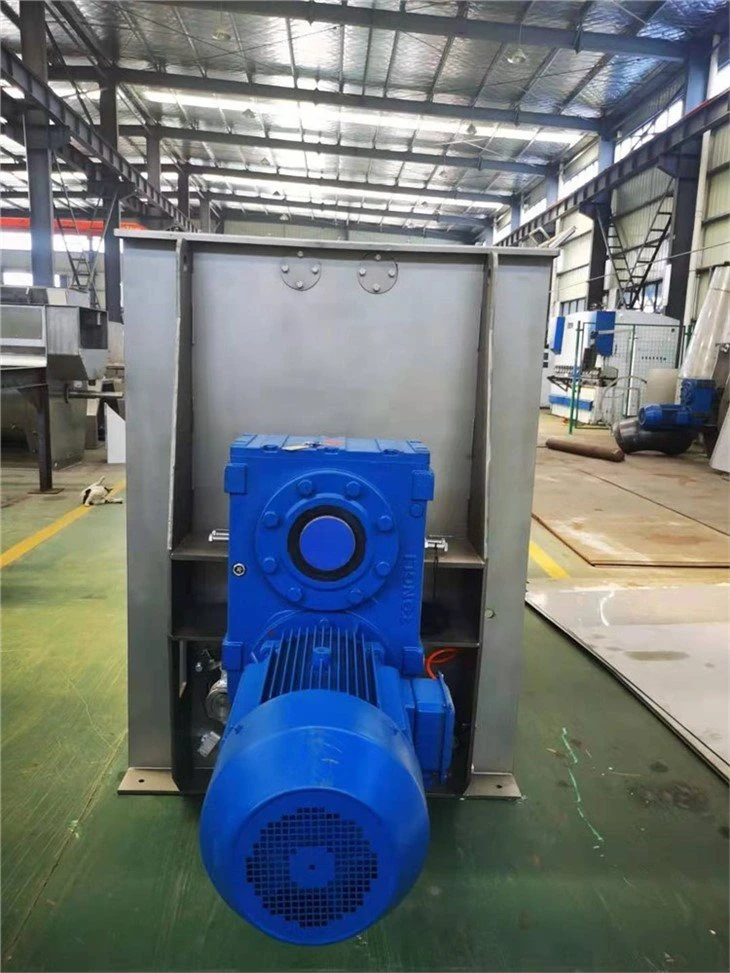
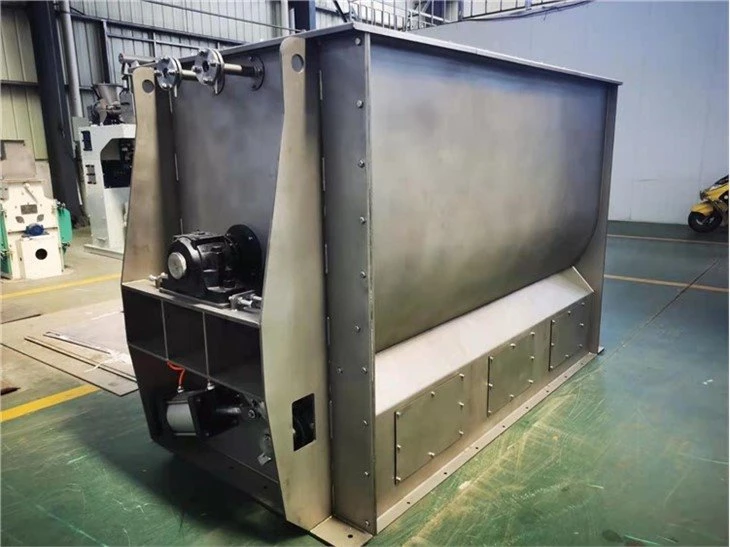
First off, let's quickly go over what a horizontal mixer is. A Horizontal Mixer is a type of industrial mixer where the mixing chamber is horizontal. It's widely used in various industries like food, feed, chemical, and pharmaceutical for blending different materials. The main components of a horizontal mixer include the mixing chamber, the shaft, and of course, the mixing blades.
Why Mixing Blade Design Matters
The mixing blade is the heart of the horizontal mixer. It's responsible for moving, shearing, and blending the materials inside the chamber. A well - designed blade can ensure a uniform mix, reduce mixing time, and improve the overall efficiency of the mixing process. On the other hand, a poorly designed blade can lead to uneven mixing, longer processing times, and even damage to the materials being mixed.
Types of Mixing Blade Designs and Their Impact
Paddle Blades
Paddle blades are one of the most common types of mixing blades used in horizontal mixers. They are simple in design, usually consisting of flat or slightly curved paddles attached to the shaft. Feed Mill Paddle Mixer often use this type of blade.
- Mixing Efficiency: Paddle blades work by moving the materials in a radial and axial direction. They gently push and turn the materials, which is great for mixing dry, free - flowing materials like grains, powders, and some light - density substances. The wide surface area of the paddles allows for a large amount of material to be moved with each rotation, resulting in relatively fast mixing times for compatible materials.
- Uniformity: These blades can achieve a high degree of uniformity when mixing materials with similar particle sizes and densities. However, when it comes to mixing materials with significant differences in these properties, the performance may decline. For example, if you're trying to mix large granules with fine powders, the fine powders may tend to stick to the paddles or accumulate in certain areas of the mixer, leading to an uneven mix.
- Shearing Force: Paddle blades generate relatively low shearing forces. This is an advantage when you're dealing with materials that are sensitive to shear, such as fragile food ingredients or some polymers. Low shearing ensures that the structure of the materials remains intact during the mixing process.
Ribbon Blades
Ribbon blades are another popular choice for horizontal mixers. They consist of a continuous helical ribbon attached to the shaft. The SLHY Horizontal Mixer sometimes uses ribbon blades.
- Mixing Action: Ribbon blades create a complex mixing action. The outer ribbon moves the materials in one direction along the length of the mixer, while the inner ribbon moves them in the opposite direction. This counter - flow action results in a thorough and rapid mixing of materials. It's particularly effective for mixing viscous materials, pastes, and materials with a wide range of particle sizes.
- Mixing Speed: Due to their unique design, ribbon blades can mix materials faster compared to paddle blades in many cases. The continuous movement of the ribbons ensures that all parts of the material are constantly being moved and blended, reducing the time required to achieve a homogeneous mix.
- Shearing Force: Ribbon blades can generate moderate shearing forces. This can be beneficial when you need to break up agglomerates or disperse additives in the material. However, for materials that are extremely shear - sensitive, the shearing force may need to be carefully controlled.
Helical Blades
Helical blades are similar to ribbon blades but have a more pronounced helical shape. They are often used in applications where a high degree of mixing and a gentle handling of materials are required.
- Mixing Performance: Helical blades provide a smooth and continuous mixing action. They can effectively mix materials in a gentle manner, which is ideal for delicate materials like pharmaceutical powders or some food products. The helical shape allows the blades to move the materials in a spiral motion, ensuring that all parts of the material are evenly distributed throughout the mixer.
- Axial and Radial Mixing: These blades offer excellent axial and radial mixing. The axial movement helps to transport the materials along the length of the mixer, while the radial movement ensures that the materials are mixed from the center to the outer edges of the chamber. This combination results in a highly uniform mix.
- Energy Consumption: Helical blades generally require less energy to operate compared to some other blade designs. The smooth and efficient mixing action reduces the amount of power needed to achieve the desired mixing results, which can lead to cost savings in the long run.
Other Factors Affected by Blade Design
Wear and Tear
The design of the mixing blade can also affect its durability and the amount of wear and tear it experiences. For example, blades with sharp edges or complex shapes may be more prone to wear, especially when mixing abrasive materials. On the other hand, blades with a simple and robust design, like paddle blades, may have a longer lifespan.
Cleaning
Cleaning is an important aspect of mixer maintenance. Some blade designs are easier to clean than others. Paddle blades, with their simple and flat design, are relatively easy to access and clean. Ribbon blades and helical blades, due to their more complex shapes, may require more time and effort to clean thoroughly.
Choosing the Right Blade Design for Your Application
When selecting a horizontal mixer, it's crucial to choose the right blade design based on your specific application. Here are some factors to consider:
- Type of Materials: If you're mixing dry, free - flowing materials, paddle blades may be a good choice. For viscous materials or materials with a wide range of particle sizes, ribbon or helical blades may be more suitable.
- Mixing Requirements: Consider the level of uniformity and the mixing time required for your process. If you need a fast and thorough mix, a more complex blade design like ribbon blades may be necessary.
- Shear Sensitivity: If your materials are sensitive to shear, choose a blade design that generates low shearing forces, such as paddle or helical blades.
Conclusion
As you can see, the design of the mixing blade plays a crucial role in the performance of a horizontal mixer. Whether it's paddle blades, ribbon blades, or helical blades, each design has its own unique advantages and disadvantages. By understanding how different blade designs impact the mixing process, you can make an informed decision when choosing a horizontal mixer for your business.
If you're interested in learning more about our Horizontal Mixer products or need help in selecting the right blade design for your application, don't hesitate to reach out. We're here to assist you in finding the best solution for your mixing needs.
References
- Smith, J. (2018). Industrial Mixing: Principles and Applications. New York: Wiley.
- Brown, A. (2020). Handbook of Mixing Technology. London: Elsevier.