

Hey there! As a supplier of feed pellet mills, I get asked a ton of questions about what kinds of feed we can make with our machines. One question that pops up quite often is whether a feed pellet mill can be used for chinchilla feed production. Well, let's dive into this topic and find out.
First off, let's talk a bit about chinchillas. These cute little critters are native to the Andes Mountains in South America. They have very specific dietary needs. Chinchillas are herbivores, and their diet mainly consists of high - fiber foods like hay, grass, and some grains. Their digestive systems are quite sensitive, so the feed they eat has to be just right.
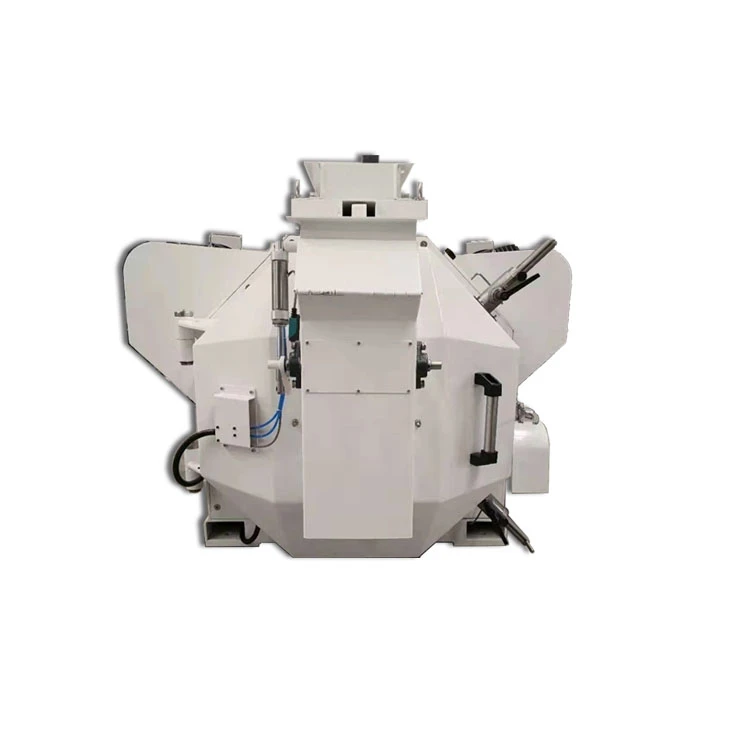
Now, let's look at how a feed pellet mill works. A feed pellet mill is a machine that compresses raw materials into small pellets. The basic principle is straightforward. You put in the raw ingredients, and the machine uses pressure and sometimes heat to form them into uniform pellets. This process has several advantages. It makes the feed easier to store and transport, and it also ensures that the animals get a balanced diet in each pellet.
So, can we use a feed pellet mill to make chinchilla feed? The answer is a resounding yes! But there are some important factors to consider.

Raw Materials Selection
When making chinchilla feed with a pellet mill, the choice of raw materials is crucial. As mentioned earlier, chinchillas need high - fiber feed. So, your main ingredients should be things like timothy hay, alfalfa hay, and some whole grains like oats or barley. Avoid using too many sugary or fatty ingredients as these can cause health problems for chinchillas, such as obesity and digestive issues.
We have a great selection of feed pellet mills, like the Chicken Feed Pellet Mill, which can also handle the raw materials for chinchilla feed. It's a versatile machine that can be adjusted to work with different types of ingredients.
Pellet Size and Texture
Chinchillas have small mouths, so the size of the pellets is important. You want to make sure the pellets are small enough for them to pick up and chew easily. Generally, a pellet diameter of about 3 - 5 mm works well for chinchillas.
The texture of the pellets is also a key factor. The pellets should be hard enough to withstand a bit of handling but not too hard that the chinchillas have trouble chewing them. Our Rabbit Pellet Making Machine can be adjusted to produce pellets with the right texture for chinchillas, as rabbits also have similar dietary and chewing requirements.
Nutritional Balance
Making sure the chinchilla feed has the right nutritional balance is essential. In addition to fiber, chinchillas need a good amount of protein, vitamins, and minerals. You can add supplements to the raw materials before pelleting to ensure a well - rounded diet. For example, you can mix in some vitamin and mineral premixes specifically formulated for chinchillas.
Small - Scale Production
If you're just starting out or have a small number of chinchillas, our Small Pellet Making Machine is a great option. It's easy to operate and can produce enough feed for a small chinchilla colony. You can make a fresh batch of feed every now and then, ensuring its freshness and quality.
Hygiene and Quality Control
When using a feed pellet mill for chinchilla feed production, hygiene is of utmost importance. Chinchillas are prone to various health issues, and contaminated feed can make them sick. Make sure to clean the pellet mill regularly to prevent the growth of bacteria and mold.
Also, do some quality control checks on the pellets. Look for any signs of unevenness, breakage, or discoloration. You can also test the nutritional content of the pellets to ensure they meet the chinchillas' requirements.
Cost - Effectiveness
Using a feed pellet mill to make chinchilla feed can be cost - effective in the long run. Instead of buying pre - made chinchilla feed, which can be expensive, you can source the raw materials in bulk and make your own feed. This not only saves you money but also gives you more control over the quality of the feed.
In conclusion, a feed pellet mill can definitely be used for chinchilla feed production. With the right selection of raw materials, proper adjustment of the pellet size and texture, and strict quality control, you can produce high - quality feed that meets the dietary needs of your chinchillas.
If you're interested in getting a feed pellet mill for chinchilla feed production or have any questions about our products, don't hesitate to reach out. We're here to help you make the best choice for your chinchillas' diet. Whether you need a small - scale machine or a larger one for commercial production, we've got you covered.
Let's start this journey together to ensure your chinchillas get the best possible feed. Contact us to start the discussion and see how we can meet your specific needs.
References
- "Chinchilla Care Guide" by the Chinchilla Owners Association
- "Feed Pellet Mill Handbook" by Feed Machinery Manufacturers Association