

Can a drag conveyor be used in a wet environment? That's a question I get asked a lot as a supplier of drag conveyors. In this blog, I'll share my insights on this topic based on my experience in the industry.
First off, let's talk about what a drag conveyor is. A drag conveyor, also known as a Drag Chain Conveyor, is a type of conveyor system that uses a chain or cable to drag a series of flights or paddles through a trough, moving materials from one point to another. It's commonly used in industries like agriculture, mining, and manufacturing to handle bulk materials such as grains, coal, and chemicals.
Now, the big question: can it work in a wet environment? The short answer is yes, but there are some important factors to consider.
Material Selection
The materials used in the construction of the drag conveyor play a crucial role in its performance in a wet environment. For starters, the chain and flights need to be made of corrosion - resistant materials. Stainless steel is a great choice as it can withstand exposure to water and many chemicals without rusting. Galvanized steel is also an option, as the zinc coating provides a protective layer against corrosion.
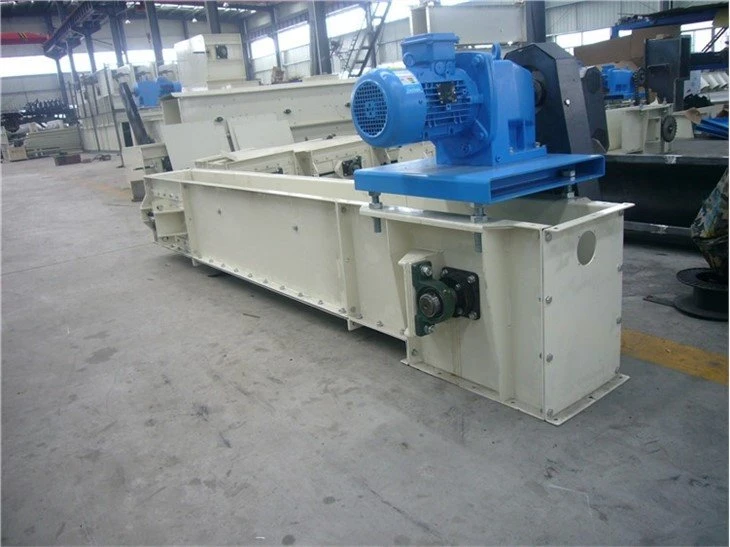

The trough of the conveyor should also be made of a material that can resist moisture. Fiberglass - reinforced plastic (FRP) is a popular choice for wet environments because it's lightweight, strong, and highly resistant to corrosion. If using metal troughs, proper coating or lining can be applied to prevent rust and degradation.
Sealing and Protection
In a wet environment, it's essential to have proper sealing on the conveyor to prevent water from getting into sensitive components. Seals around the chain sprockets, bearings, and drive units can help keep water out. Additionally, covers can be installed over the conveyor to protect it from direct exposure to rain or splashing water.
For example, our TGSSP Series Level Drag Conveyor is designed with high - quality seals and covers to ensure reliable operation in wet conditions. The seals are made of durable rubber compounds that can withstand water and temperature variations.
Maintenance
Regular maintenance is key when using a drag conveyor in a wet environment. After each use, it's important to clean the conveyor thoroughly to remove any moisture, dirt, or debris. This helps prevent the buildup of corrosive substances and extends the lifespan of the conveyor.
Inspecting the chain, flights, and other components for signs of wear and corrosion is also crucial. Replace any worn - out parts promptly to avoid breakdowns. Lubrication of the chain and bearings should be done with a waterproof lubricant to ensure smooth operation.
Performance Considerations
Working in a wet environment can affect the performance of a drag conveyor. The wet materials may be heavier and stickier, which can increase the load on the conveyor. This means that the conveyor may need to be sized appropriately to handle the additional weight and friction.
The speed of the conveyor may also need to be adjusted. A slower speed can help prevent the materials from slipping or clogging, especially when they are wet. Additionally, the design of the flights may need to be optimized to ensure efficient movement of the wet materials.
Advantages of Using a Drag Conveyor in a Wet Environment
Despite the challenges, there are several advantages to using a drag conveyor in a wet environment. For one, it can handle a wide range of wet materials, from sludge to wet grains. It's also a relatively simple and reliable system, with fewer moving parts compared to some other types of conveyors.
Drag conveyors can be installed in various configurations, including horizontal, inclined, and vertical, making them suitable for different layout requirements in wet processing plants. They can also be customized to meet specific needs, such as the addition of special coatings or materials for handling corrosive wet substances.
Case Studies
I've seen many successful applications of drag conveyors in wet environments. One of our customers in the food processing industry needed to convey wet fruits from a washing station to a drying area. We installed a Drag Chain Conveyor made of stainless steel with a sealed trough and covers. The conveyor has been operating smoothly for years, with minimal maintenance required.
Another customer in the mining industry was dealing with wet ore. We provided them with a TGSSP Series Level Drag Conveyor with a heavy - duty design and corrosion - resistant materials. The conveyor has been able to handle the abrasive and wet ore without any major issues, improving the overall efficiency of their processing operations.
Conclusion
So, in conclusion, a drag conveyor can definitely be used in a wet environment. With the right material selection, proper sealing and protection, regular maintenance, and appropriate design considerations, it can provide reliable and efficient performance.
If you're considering using a drag conveyor in a wet environment for your business, I'd be more than happy to discuss your specific needs. We have a wide range of drag conveyor solutions, including the Drag Chain Conveyor and TGSSP Series Level Drag Conveyor, that can be customized to suit your requirements. Contact us to start a conversation about how we can help you with your conveying needs.
References
- "Conveyor Handbook" by Conveyor Equipment Manufacturers Association (CEMA)
- Industry research reports on conveyor systems in wet environments