

Hey there! As a supplier of Feed Hammer Mills, I often get asked, "What's the best speed for a feed hammer mill to operate?" It's a great question, and one that doesn't have a one - size - fits - all answer. In this blog, I'll break down the factors that influence the optimal operating speed of a feed hammer mill and share some insights to help you make the most of your machine.
Understanding Feed Hammer Mills
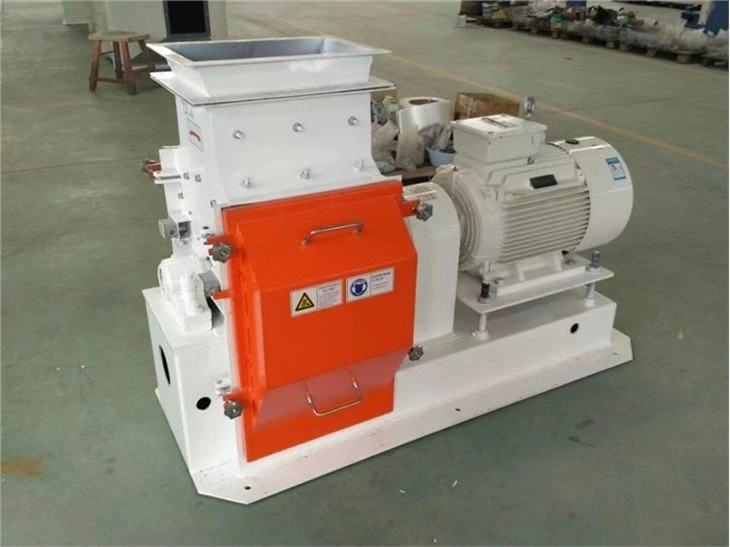
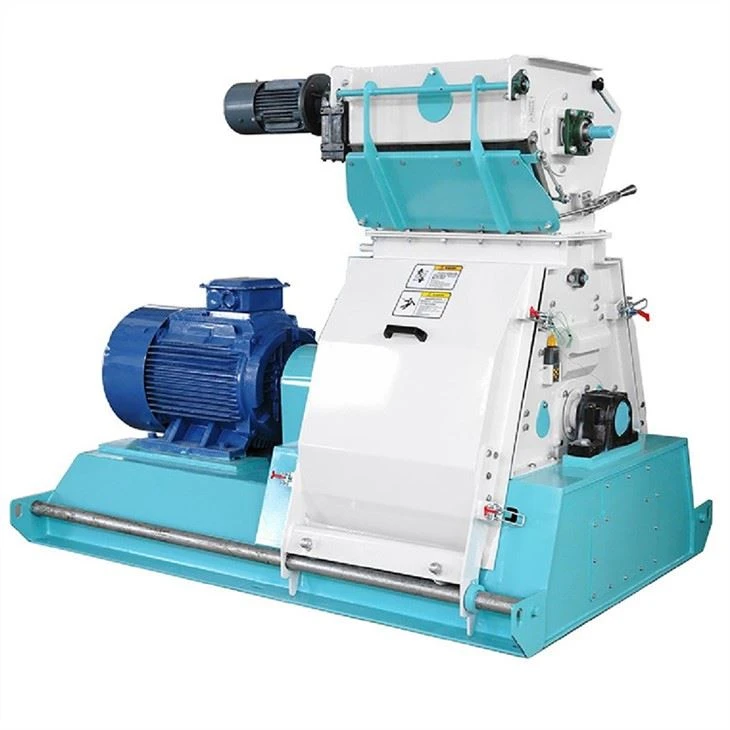
Before we dive into the ideal speed, let's quickly go over what a feed hammer mill is. A feed hammer mill is a crucial piece of equipment in the feed processing industry. It's used to crush and grind various materials, like grains, into smaller particles, making them easier for animals to digest. We offer a range of hammer mills, including the Animal Feed Crushing Machine, Fish Feed Hammer Mill, and Industrial Hammer Mill. Each type is designed to meet different needs, but the basic principle remains the same.
Factors Affecting the Optimal Speed
1. Material Being Processed
The type of material you're grinding plays a huge role in determining the best operating speed. For example, softer materials like corn or wheat can be processed at a relatively higher speed. These grains are easier to break down, so a faster - spinning hammer can quickly reduce them to the desired particle size. On the other hand, harder materials such as soybeans or sorghum may require a lower speed. If you run the mill too fast with hard materials, the hammers may wear out quickly, and you might not get a uniform grind.
2. Desired Particle Size
The size of the particles you want to end up with is another key factor. If you need a very fine grind, like for fish feed, you'll generally want to run the mill at a higher speed. The high - speed rotation of the hammers generates more impact force, which can break the material into smaller pieces. However, if you're looking for a coarser grind, a lower speed will do the job. This is often the case for livestock feed, where animals can tolerate larger particle sizes.
3. Mill Design and Capacity
Different hammer mills have different designs and capacities, which also affect the optimal speed. A larger - capacity mill might be able to handle a higher speed because it has more hammers and a larger grinding chamber. Smaller mills, on the other hand, may need to operate at a lower speed to avoid overloading the motor and causing damage.
Finding the Right Speed
1. Start with Manufacturer Recommendations
The first step in finding the best speed for your feed hammer mill is to check the manufacturer's recommendations. We provide detailed guidelines in the user manual for each of our mills. These recommendations are based on extensive testing and are a great starting point. They take into account the mill's design, the materials it's meant to process, and the typical particle sizes required.
2. Conduct Test Runs
Once you have the manufacturer's recommendations, it's a good idea to conduct some test runs. Start with a small batch of material and try different speeds. Monitor the output in terms of particle size, production rate, and energy consumption. You can use a sieve analysis to determine the particle size distribution. This will give you a clear picture of how the mill performs at different speeds and help you find the sweet spot.
3. Make Adjustments
Based on the results of your test runs, you can make adjustments to the speed. If the particles are too large, you may need to increase the speed. If the hammers are wearing out too quickly or the motor is overheating, you might need to lower the speed. It's a process of trial and error, but with a bit of patience, you'll be able to find the optimal speed for your specific needs.
Benefits of Running at the Right Speed
1. Efficiency
Running the mill at the right speed improves its efficiency. You'll get a higher production rate with less energy consumption. This means you can produce more feed in less time and at a lower cost. For example, if you're processing a large quantity of feed for a commercial farm, running the mill at the optimal speed can save you a significant amount of money in the long run.
2. Quality of Feed
The right speed also ensures a consistent and high - quality feed. The particles will be of a uniform size, which is important for animal health and growth. Animals can digest the feed more easily, leading to better nutrient absorption and overall performance.
3. Equipment Longevity
Operating the mill at the correct speed reduces wear and tear on the hammers and other components. This extends the lifespan of the mill and reduces the need for frequent maintenance and repairs. You'll save money on replacement parts and keep your mill running smoothly for years to come.
Conclusion
So, what is the best speed for a feed hammer mill to operate? Well, it depends on several factors, including the material being processed, the desired particle size, and the mill's design and capacity. By following the manufacturer's recommendations, conducting test runs, and making adjustments as needed, you can find the optimal speed for your specific situation.
If you're in the market for a feed hammer mill or have any questions about finding the right speed for your existing mill, don't hesitate to reach out. We're here to help you get the most out of your equipment. Whether you need an Animal Feed Crushing Machine, a Fish Feed Hammer Mill, or an Industrial Hammer Mill, we've got you covered. Let's start a conversation and see how we can meet your feed processing needs.
References
- Feed Processing Technology Handbook
- Agricultural Engineering Journal - Articles on Feed Hammer Mill Operations
- Manufacturer's Manuals for Feed Hammer Mills