

As a supplier of Rotary Distributors, I've often encountered inquiries from customers wondering if there are alternatives to this essential piece of equipment. In this blog, I'll explore the topic in detail, weighing the pros and cons of rotary distributors against other potential solutions.
Understanding Rotary Distributors
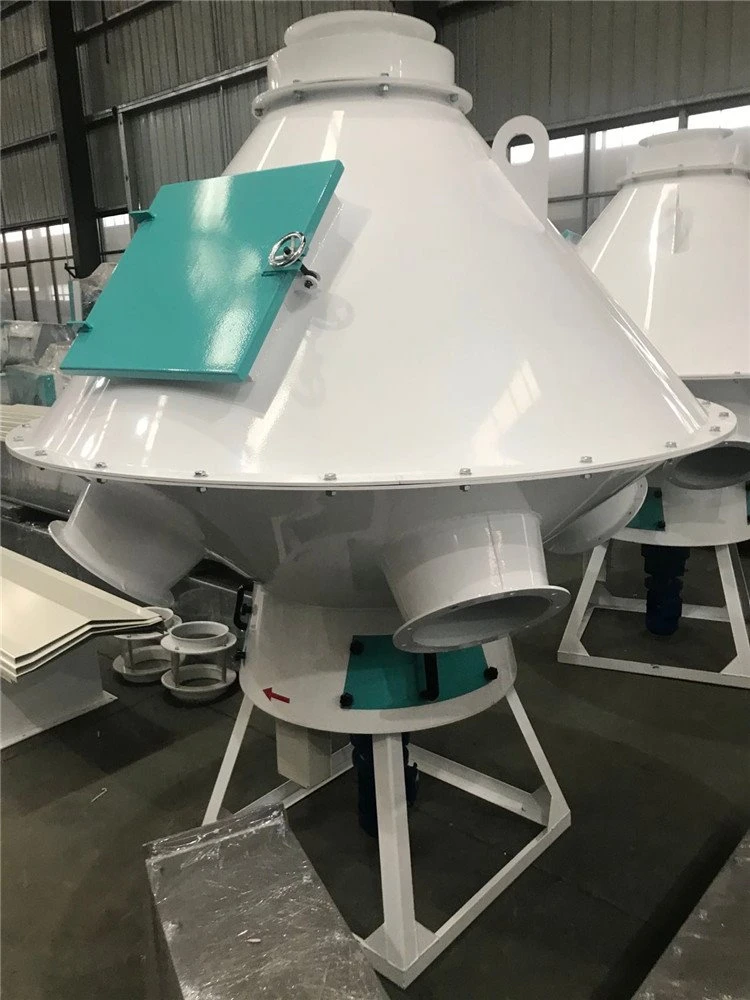
Before delving into alternatives, let's first understand what a rotary distributor is and its functions. A rotary distributor is a mechanical device used to evenly distribute materials, such as grains, feed, or powders, to multiple outlets. It consists of a rotating chamber with multiple discharge ports, allowing for precise and consistent distribution.
One of the key advantages of a rotary distributor is its ability to handle a wide range of materials, from fine powders to coarse grains. It can operate at high speeds, ensuring efficient and continuous distribution. Additionally, rotary distributors are known for their reliability and durability, making them a popular choice in various industries, including agriculture, food processing, and chemical manufacturing.
For example, in the feed industry, a Rotary Distributor for Feed Machine plays a crucial role in ensuring that different feed ingredients are evenly distributed to multiple feeders or storage bins. This helps to maintain the quality and consistency of the feed, which is essential for the health and growth of livestock.
Potential Alternatives to Rotary Distributors
While rotary distributors are widely used and highly effective, there are some situations where alternative solutions may be more suitable. Here are some of the potential alternatives to rotary distributors:
1. Gravity Distributors
Gravity distributors rely on the force of gravity to distribute materials. They typically consist of a hopper or chute with multiple discharge ports, allowing materials to flow freely downwards. Gravity distributors are simple in design and relatively inexpensive, making them a cost-effective option for some applications.
However, gravity distributors have some limitations. They are less precise than rotary distributors and may not be suitable for materials that are prone to bridging or clogging. Additionally, gravity distributors may not be able to handle high flow rates or distribute materials evenly to multiple outlets.
2. Pneumatic Distributors
Pneumatic distributors use compressed air to transport and distribute materials. They consist of a series of pipes and valves that direct the flow of materials to different outlets. Pneumatic distributors are capable of handling high flow rates and can distribute materials over long distances.
One of the advantages of pneumatic distributors is their ability to handle materials that are difficult to convey using other methods, such as fine powders or abrasive materials. However, pneumatic distributors are more complex and expensive than rotary distributors, and they require a reliable source of compressed air.
3. Belt Conveyors with Diverters
Belt conveyors with diverters are another alternative to rotary distributors. They consist of a conveyor belt that transports materials along a path, with diverters or gates that direct the flow of materials to different outlets. Belt conveyors with diverters are relatively simple and flexible, and they can be easily modified to suit different applications.
However, belt conveyors with diverters have some limitations. They may not be suitable for materials that are prone to spillage or damage, and they may require regular maintenance to ensure proper operation. Additionally, belt conveyors with diverters may not be able to distribute materials evenly to multiple outlets, especially if the materials are not evenly spread on the conveyor belt.
Comparing Rotary Distributors with Alternatives
Now that we've explored some of the potential alternatives to rotary distributors, let's compare them based on several key factors:
1. Precision and Accuracy
Rotary distributors are known for their high precision and accuracy. They can distribute materials evenly to multiple outlets, ensuring consistent quality and performance. In contrast, gravity distributors and belt conveyors with diverters are less precise and may not be able to distribute materials evenly to multiple outlets. Pneumatic distributors can be precise, but they require careful calibration and control to ensure accurate distribution.
2. Capacity and Flow Rate
Rotary distributors are capable of handling high flow rates and can distribute materials quickly and efficiently. They can be designed to handle a wide range of capacities, from small-scale applications to large industrial operations. Gravity distributors are generally limited in terms of capacity and flow rate, while pneumatic distributors and belt conveyors with diverters can handle higher flow rates but may require more complex equipment and systems.

3. Material Compatibility
Rotary distributors are suitable for a wide range of materials, including grains, powders, and granules. They can handle materials that are abrasive, sticky, or prone to bridging. Gravity distributors may not be suitable for materials that are prone to bridging or clogging, while pneumatic distributors can handle a wider range of materials but may require special coatings or linings to prevent corrosion or abrasion. Belt conveyors with diverters may not be suitable for materials that are prone to spillage or damage.
4. Cost and Maintenance
Rotary distributors are generally more expensive than gravity distributors but less expensive than pneumatic distributors. They require regular maintenance to ensure proper operation, including lubrication, cleaning, and inspection. Gravity distributors are relatively inexpensive and require minimal maintenance, while pneumatic distributors are more complex and expensive to maintain. Belt conveyors with diverters require regular maintenance to ensure proper alignment and tension of the conveyor belt.
Conclusion
In conclusion, while there are some potential alternatives to rotary distributors, they each have their own advantages and limitations. Rotary distributors are a reliable and effective solution for many applications, offering high precision, accuracy, and capacity. However, in some situations, alternative solutions such as gravity distributors, pneumatic distributors, or belt conveyors with diverters may be more suitable.
If you're considering an alternative to a rotary distributor, it's important to carefully evaluate your specific requirements and compare the different options based on factors such as precision, capacity, material compatibility, cost, and maintenance. As a supplier of TFPX Series Rotary Distributor and Rotary Grain Distributor, I'm happy to provide you with more information and help you choose the best solution for your needs.
If you're interested in learning more about our rotary distributors or would like to discuss your specific requirements, please don't hesitate to contact us. We look forward to the opportunity to work with you and help you find the perfect solution for your material handling needs.
References
- [Insert relevant industry standards, research papers, or technical manuals here]