

Hey there! As a supplier of Feed Pellet Mills, I often get asked about what kinds of waste materials can be used in these machines. Well, let me tell you, the options are pretty vast, and it's not only a great way to reduce waste but also to produce cost - effective feed.
First off, let's talk about agricultural waste. Crop residues are a goldmine for feed pellet production. Straws from wheat, rice, and barley are commonly used. These straws are rich in fiber, which is essential for the digestive health of many livestock. After harvesting, instead of just leaving the straws to rot in the fields or burning them (which is bad for the environment), you can collect them, shred them, and then use a Small Pellet Making Machine to turn them into feed pellets.
Corn cobs are another excellent source. They are full of carbohydrates and can be ground up and mixed with other ingredients to make a balanced feed. Corn stalks can also be utilized in a similar way. They are tough, so you might need to pre - treat them a bit, like soaking or steam - treating, to make them more palatable and easier to process in the pellet mill.
Then there's the waste from the fruit and vegetable industry. Fruit peels, such as those from apples, oranges, and bananas, can be used. They contain vitamins, minerals, and some natural sugars. For example, apple peels are rich in antioxidants. Vegetable scraps like carrot tops, cabbage leaves, and potato peels can also be incorporated. These waste materials need to be dried properly before being fed into the pellet mill to ensure the quality of the pellets.
Wood waste is also a viable option, especially for some animals that can digest a higher fiber diet. Sawdust from softwoods can be used, but it should be carefully selected. You don't want sawdust that has been treated with chemicals. It can be mixed with other nutrient - rich materials to form a feed. And branches and twigs can be chipped and processed, though they usually require more intensive processing to break down the tough fibers.
In the livestock industry itself, there's a lot of waste that can be recycled. Manure, believe it or not, can be used in a feed pellet mill, but only after proper treatment. Composting the manure first can reduce pathogens and break down the organic matter. Once it's composted, it can be mixed with other feed ingredients. Feather meal is another by - product. Feathers from poultry processing can be hydrolyzed and then added to the feed. It's a good source of protein.
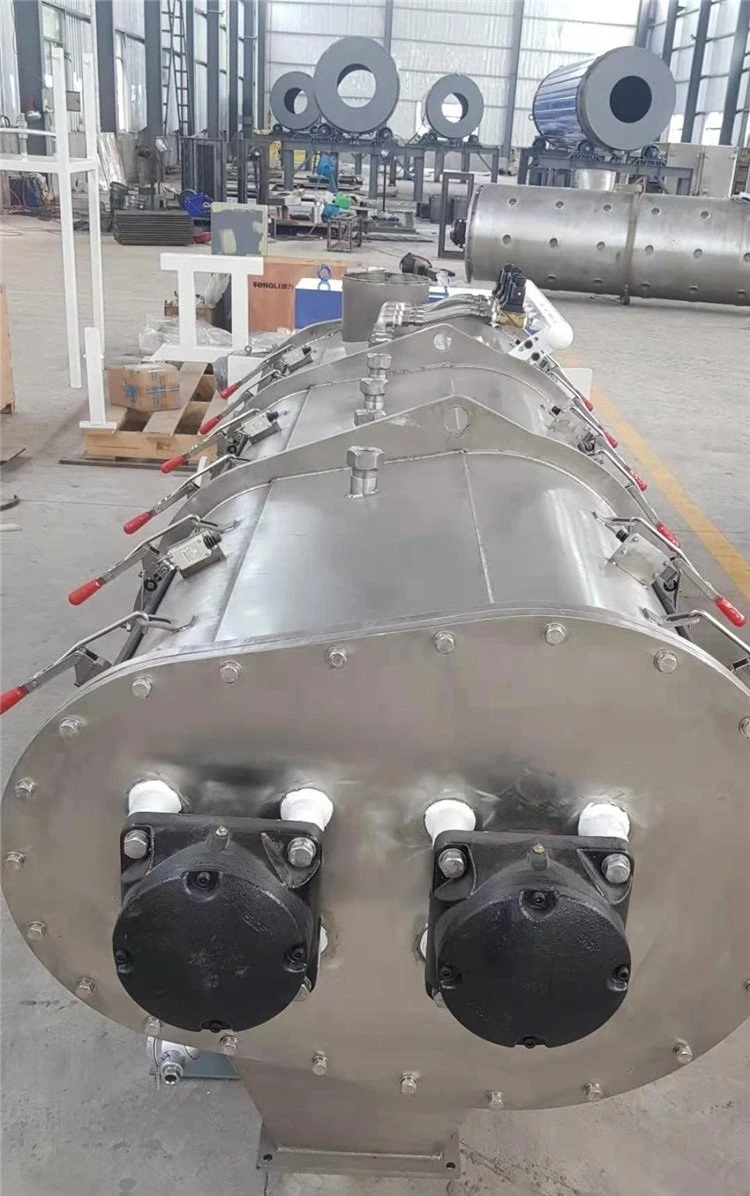
Now, when it comes to using these waste materials, you need the right equipment. A Rabbit Pellet Making Machine is great if you're specifically making feed for rabbits. It can handle different types of waste materials and produce high - quality pellets. And if you want to improve the conditioning of the feed before pelleting, a Stainless Steel DDC Conditioner is a must - have. It helps to evenly distribute moisture and heat, which is crucial for the pelleting process.

One of the key things to keep in mind when using waste materials is the quality control. You need to make sure that the waste materials are clean and free from contaminants. Testing the moisture content is also important. If the moisture is too high, the pellets might not form properly or could mold during storage. On the other hand, if it's too low, the pellets might be too brittle.
Another aspect is the formulation. You can't just use one type of waste material alone. You need to mix different waste materials with other feed ingredients like grains, protein sources, and vitamins to create a balanced diet for the animals. For example, if you're using a lot of wood waste, you'll need to add more protein - rich materials to make up for the lack of protein in the wood.
The size of the waste particles also matters. They should be of an appropriate size to be easily processed in the pellet mill. If the particles are too large, they might clog the machine, and if they're too small, they might not form good - quality pellets.
Using waste materials in a feed pellet mill is not only good for the environment but also for your pocket. It reduces the cost of feed production by using materials that would otherwise be discarded. And it's a sustainable way to produce animal feed.
If you're interested in starting to use waste materials in your feed production or if you're looking to upgrade your current equipment, I'd love to have a chat with you. Whether you're a small - scale farmer or a large - scale feed producer, we have the right solutions for you. Contact us to discuss your needs and let's see how we can work together to make the most of these waste materials and produce high - quality feed pellets.
References
- "Agricultural Waste Utilization in Animal Feed" - Journal of Sustainable Agriculture
- "Fruit and Vegetable Waste as Feed Ingredients" - International Journal of Animal Nutrition
- "Wood Waste in Livestock Feed: A Review" - Forestry and Animal Science Journal